
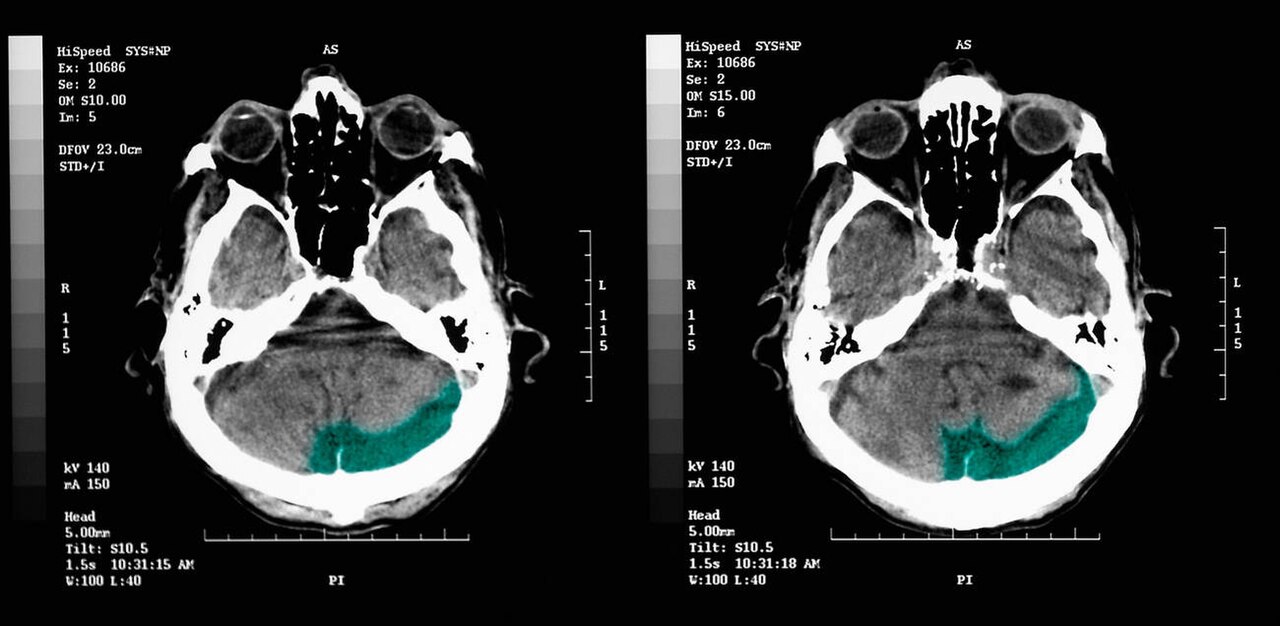
Today, 29 October, is World Stroke Day, marked since the World Stroke Organization was founded in 2006; this year's theme is "Every minute counts". In a stroke, blood supply to part of the brain is blocked or a blood vessel bursts, and without fast treatment it can kill or leave lasting disability.
According to the Bangladesh Bureau of Statistics and a 2022 national survey, stroke prevalence in Bangladesh is 11.39 per 1,000 people, and more than 75 percent of cases are ischaemic. The rate is highest in Mymensingh division and higher in rural areas than in towns. Citing health experts, Bangla Tribune reports that about 2 million people in the country have had a stroke, about 500,000 of them living with long-term disability.
Heart disease adds to the toll: by figures in the report, 283,800 people died of heart disease in Bangladesh in 2024, about 777 a day.
Migrant workers are a concern too. Wage Earners' Welfare Board figures show the bodies of 4,060 migrant workers were brought home from January to September this year, more than 14 a day. Many deaths are recorded as "natural", and detailed statistics are needed to know how many were from heart disease or stroke. Doctors say long hours in extreme heat, uncontrolled blood pressure, irregular meals, lack of sleep, smoking and stress all raise the risk.
Dr Humayun Kabir Himu, assistant professor at the National Institute of Neurosciences, said there is no time to lose with a stroke. Families often do not recognise it at first; some wait at home or rely on traditional remedies, and the chance of effective treatment slips away.
His advice: if the face droops, an arm or leg goes weak, or speech slurs, go to an emergency department without delay, and take no medicine without a doctor's advice. Experts say high blood pressure is one of the main risk factors, and the World Stroke Organization says most risk factors can be prevented or controlled.
Photo: Non-contrast CT brain imaging, Goleisureintl / Wikimedia Commons (CC BY 4.0)
Source: Bangla Tribune



Comments
(0)