
Southeast Asia has a regional policy framework for regenerative agriculture, but it lacks a single system for managing farm risk, and that gap is holding back wider adoption, according to Professor Paul Teng, a visiting senior fellow at Singapore's ISEAS-Yusof Ishak Institute.
Speaking at a regenerative agriculture forum during the World Agri Food Innovation (WAFI) Conference in Pinggu, Beijing, in September, Teng said ASEAN has made real progress, including a regional framework and an implementation plan. What is missing, he said, is the institutional structure that brings investors, regulators, insurers and farmers together.
"It's a real problem that we're facing, especially in South East Asia, with individual risk management strategies for specific problems, whether it's crop loss, insurance and so on, but nothing is integrated," Teng said.
Much research is under way in universities and companies, he said, and the task now is policy that lets it scale beyond pilot projects, with financing mechanisms and investment routes to match.
The structure of farming in the region makes that harder. Teng said Southeast Asia has roughly 100 million farmers, most of them smallholders. Grouping them, at the level of a landscape or an ecosystem, is the obvious answer, but he said there are few examples of policies or financial incentives that encourage such aggregation.
Regulation is another obstacle. Most countries in the region have no rules to govern the use of biological inputs, Teng said, and some cannot even move fresh farmyard manure across borders because it contains living organisms. He described the challenge as a mixture of problems rather than a single one.
In developing countries, he said, government has to move first, because its policy sets the stage for everything else. The picture he described, of millions of smallholders, scattered risk tools and unclear rules on biological inputs, is one that farm policy in South Asia also faces.
The report was written by Amanda Lim for AgNavigator.
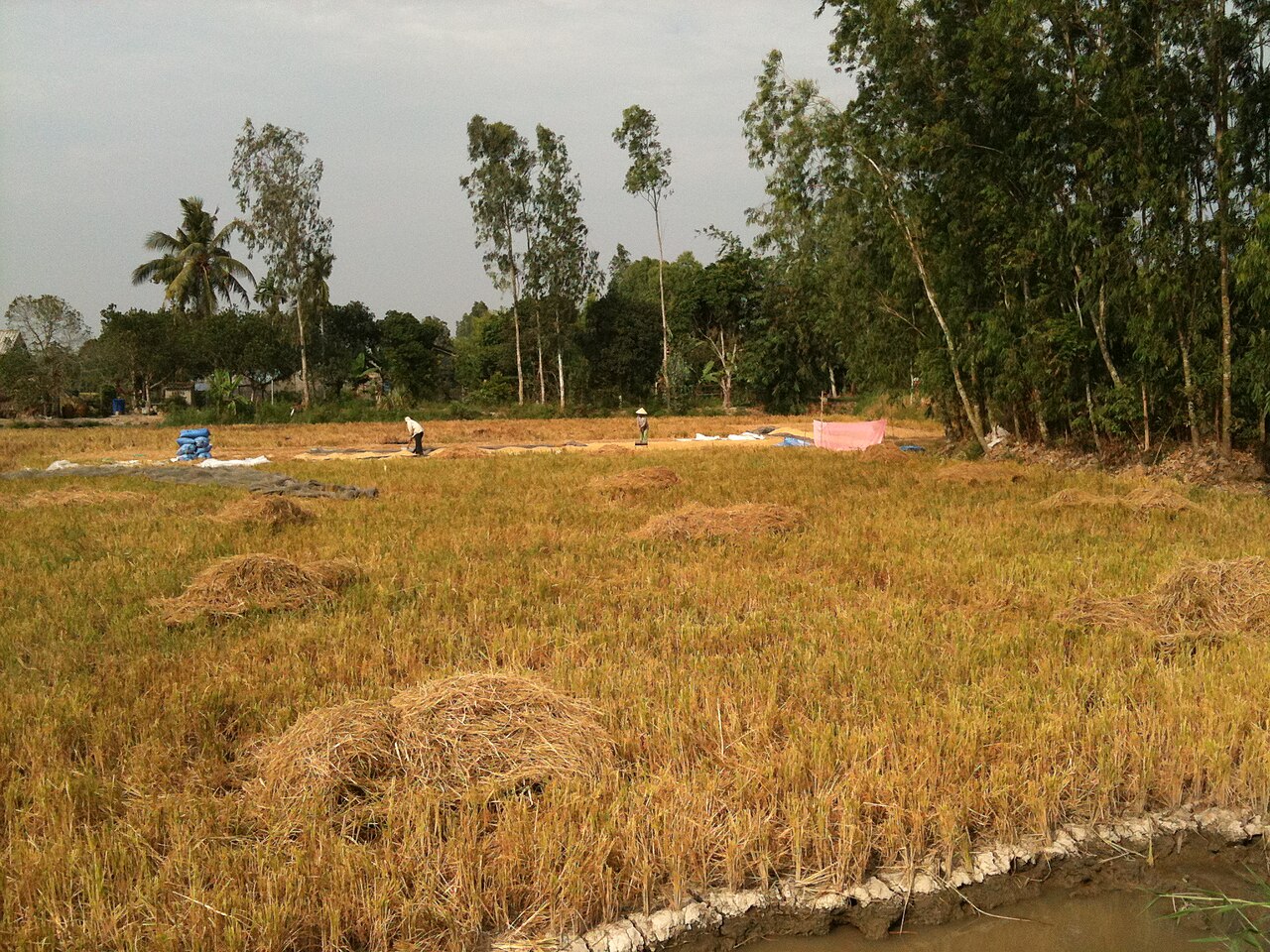
Photo: Dragfyre / Wikimedia Commons (CC BY-SA 3.0)
Source: AgNavigator

Comments
(0)