
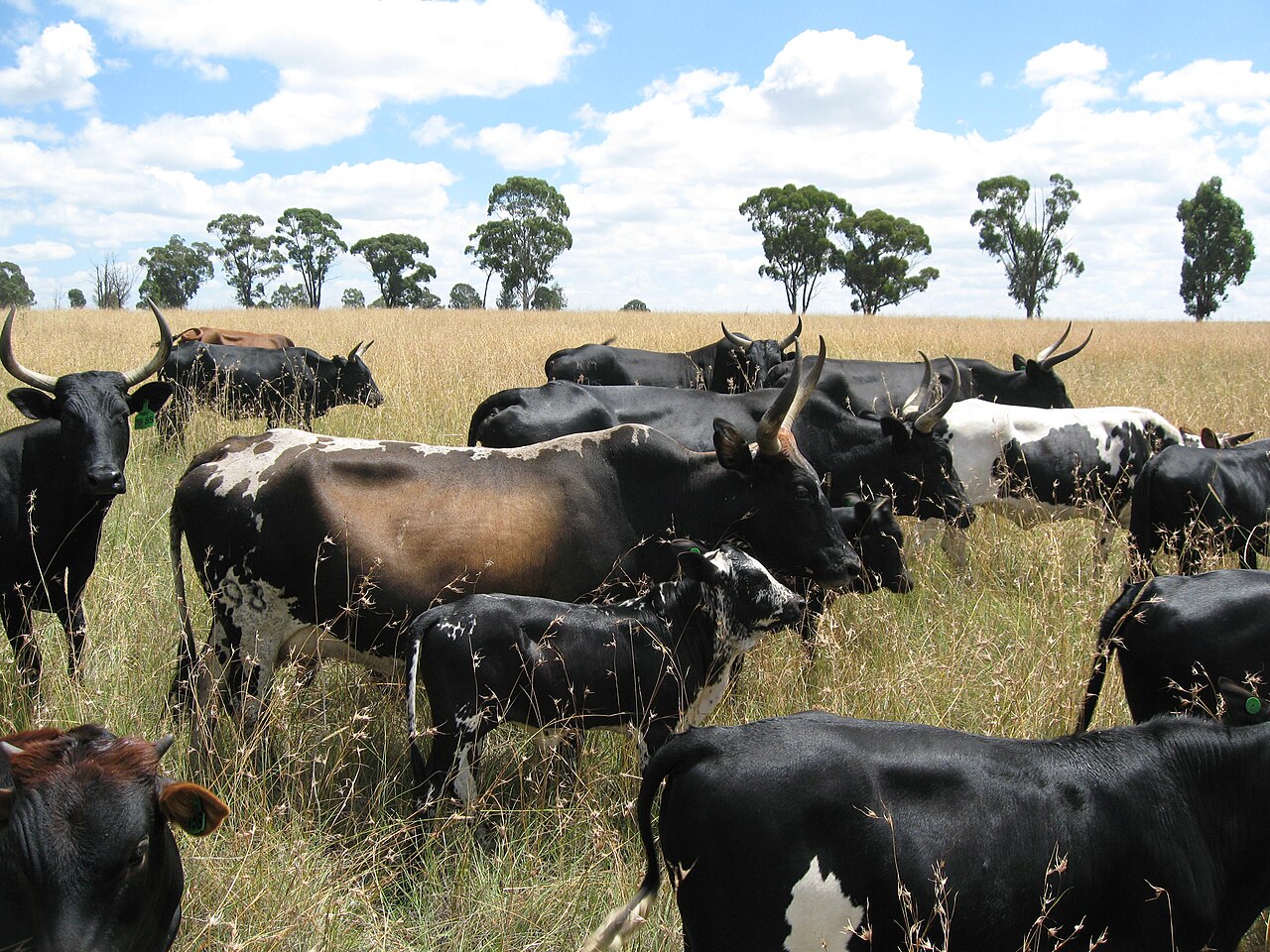
Lower feed costs and better grazing are bringing relief to South Africa's livestock farmers after the 2024 drought and the disease outbreaks of 2025 and 2026, but the recovery is moving meat prices in opposite directions, according to Absa's AgriTrends Spring 2026 report, as described by the bank's agricultural economist Jade Smith to Farmer's Weekly.
Cattle and sheep producers are holding back breeding animals to rebuild herds, which limits the supply of beef, lamb and mutton and supports prices. In pork and poultry the opposite is happening: as disease disruption eases, slaughter and production are recovering and some producer prices are falling.
Foot-and-mouth disease hit the beef recovery hardest. Cattle slaughter fell 47% year on year in July, volumes in 2026 are 7.6% below 2024 and 2025, and beef exports dropped 50.2% in the first seven months of the year. Smith said restoring exports, especially to China, where South African beef is still suspended, depends on disease control, veterinary protocols and traceability. Weaner calf prices rose 32.2% year on year in July and Class C beef 6.6%, while Class A beef fell 5.2%. Absa forecasts Class A beef at R64.46/kg in 2026 and R65.12/kg in 2027, against R58.80/kg in 2025.
Sheep farmers are rebuilding flocks after years of drought, stock theft and animal health problems. Lamb prices rose 5.5% and mutton 8.7% year on year in July, and Smith said rebuilding can take two to four years. Because the local market depends on household spending rather than exports, affordability is likely to limit further increases.
In pork, movement restrictions after foot-and-mouth disease and African swine fever pushed porker and baconer prices to around R40/kg in the first quarter, against a normal R32/kg. Imports rose 149% in the first five months, and by July porker prices were 6.8% below a year earlier. Absa still expects porkers to average R35.55/kg in 2026. National milk production has stayed stable despite the outbreaks.
Smith named foot-and-mouth disease, African swine fever and avian influenza as the main risks to the outlook, alongside a possible El Nino that could cut grain output and raise maize and feed costs, though she expects the country's ample maize stocks to cushion short-term price rises.
Photo: Justinjerez / Wikimedia Commons (CC BY-SA 3.0)
Source: Farmers Weekly South Africa

Comments
(0)