
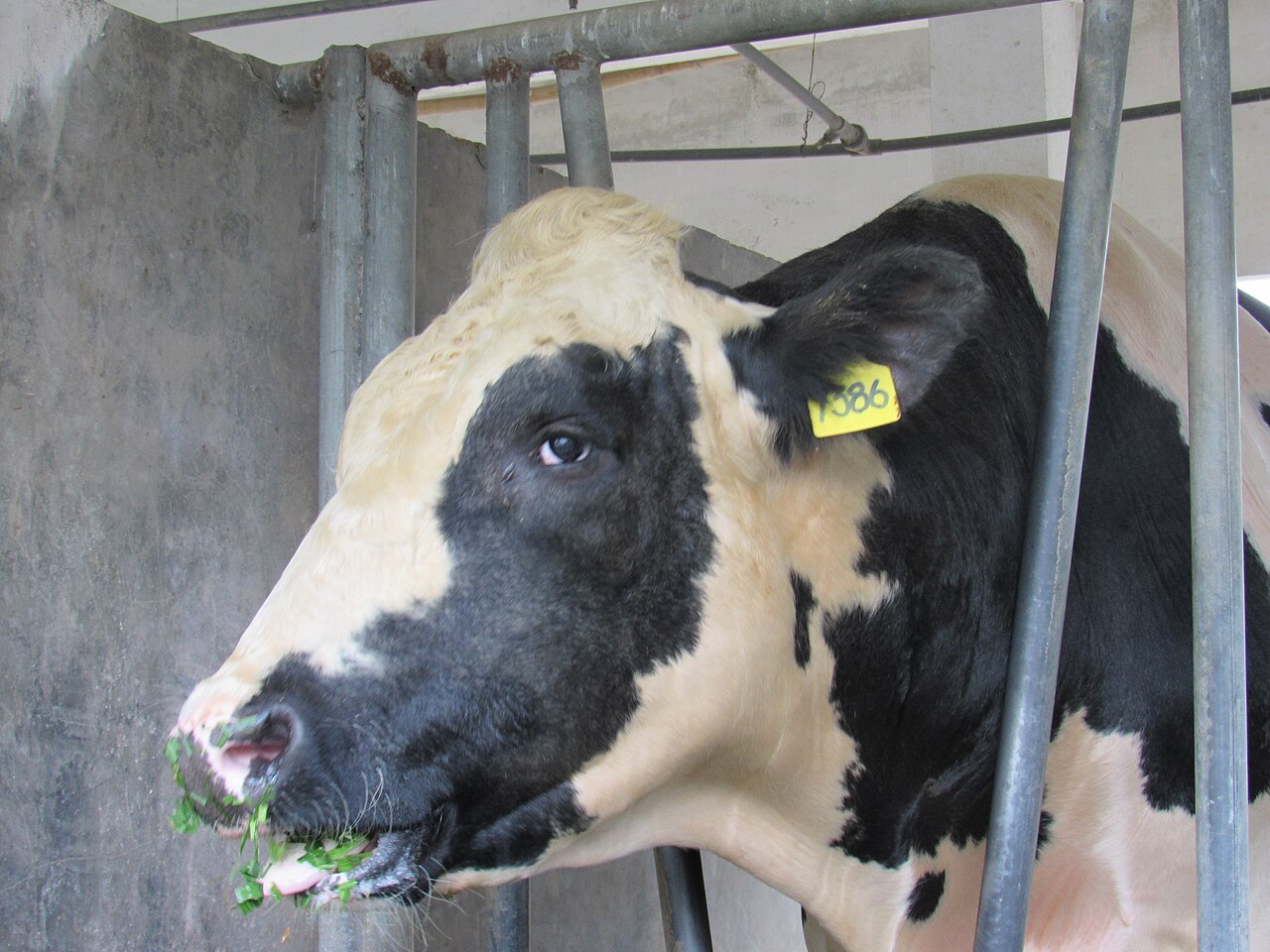
World Farmed Animals Day is marked on 2 October to raise awareness of the welfare of the cattle, buffalo, goats, sheep, pigs, chickens and ducks raised on farms. According to World Animal Protection, the day began in 1983, and its date was set on the birthday of Mahatma Gandhi.
These animals supply meat, milk and eggs, and the livelihoods of a great many people depend on them. The day's central message, however, is that farm animals are sentient. Providing them with feed, water, room to move and rest, the chance to behave socially and a safe environment is part of good farm management.
World Animal Protection estimates that about 80 billion land animals are used in agriculture every year, and that a large share of them are kept in industrial or factory farming systems. In the organisation's view, overcrowding, the lack of a natural environment and breeding for rapid output are major welfare challenges.
The issue also touches public health. The organisation says overcrowding and weak health management can raise the risk of disease spreading on farms, while overuse of antibiotics feeds concern about antimicrobial resistance.
Industrial livestock production has environmental costs as well: forests and natural habitats converted to grow feed, the use of water and land, and greenhouse gas emissions. At the same time, falling numbers of local and traditional breeds in many regions mean some breeds now need to be conserved.
For farmers, the day's message is to plan space, handling, climate and veterinary care around each species and breed, building management that is science-based, healthy and sustainable, so that animal welfare, public health and the food system are protected together.
The report is by The Daily Observer's online desk.
Photo: Ibrahim Husain Meraj / Wikimedia Commons (CC BY-SA 3.0)
Source: The Daily Observer

Comments
(0)