
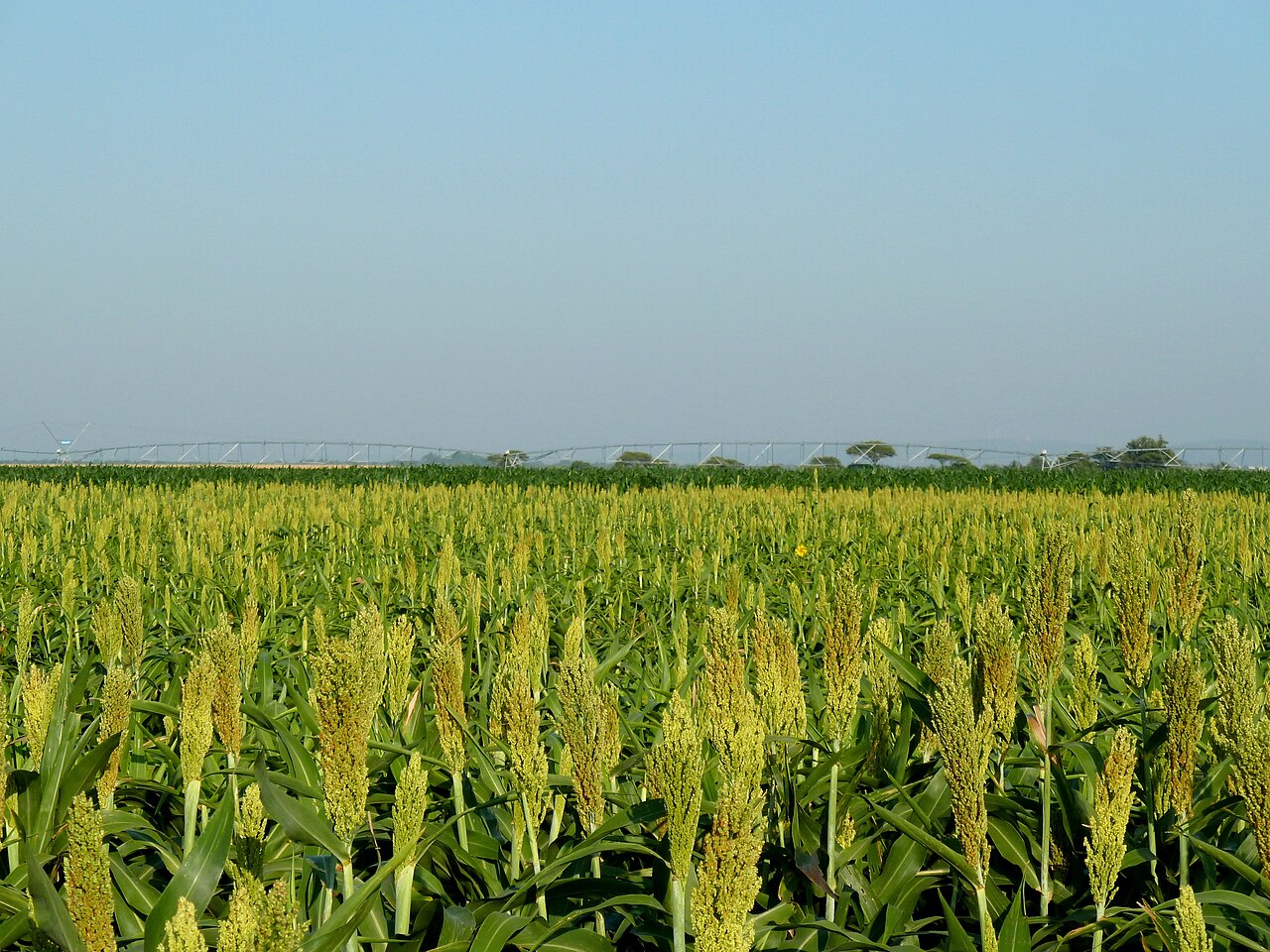
Rising fuel and electricity prices are pushing up the cost of producing food in South Africa, the Bureau for Food and Agricultural Policy (BFAP) says in its August food inflation brief, and farmers say they can no longer absorb the increases themselves.
According to BFAP, fuel and electricity inflation has put sustained pressure on consumers since March and April 2026. It ties this largely to the global energy price shock, and to the 8.7% annual electricity tariff increase that took effect on 1 April 2026 and lifted electricity prices year on year. The same costs, the bureau says, drive up operating expenses along the agriculture and food value chain and could push food inflation higher.
Month on month, fuel inflation eased in August, helped by a stronger rand against the dollar, even though international oil prices stayed high amid supply disruptions linked to unresolved geopolitical tensions. BFAP notes that the latest Central Energy Fund projections show an under-recovery on both petrol and diesel heading into October.
For food commodities, the brief expects relatively moderate price movements over the coming months. Meat prices are likely to keep trending lower as vaccination against animal diseases, foot-and-mouth disease and bird flu in particular, makes progress and slaughter activity gathers pace.
The larger risk is the weather. BFAP warns that the anticipated strong, possibly "super", El Niño could reduce yields and lower summer crop production heading into 2027, putting upward pressure on food prices over the medium term. Large carry-over stocks built up after the previous two bumper seasons should provide some buffer, it says.
On the farm the strain is already felt. Pulane Masegoni, a maize farmer at Denilton in Mpumalanga, said farming had become extremely difficult as every cost escalates. "We as farmers have tried to absorb the pressures as much as possible. However, at this point it has become impossible to absorb everything," she said, naming rising fuel prices, unfavourable weather and pests on her crops.
Photo: JMK / Wikimedia Commons (CC BY-SA 3.0)
Source: Food for Mzansi (reporting by Tiisetso Manoko)


Comments
(0)