
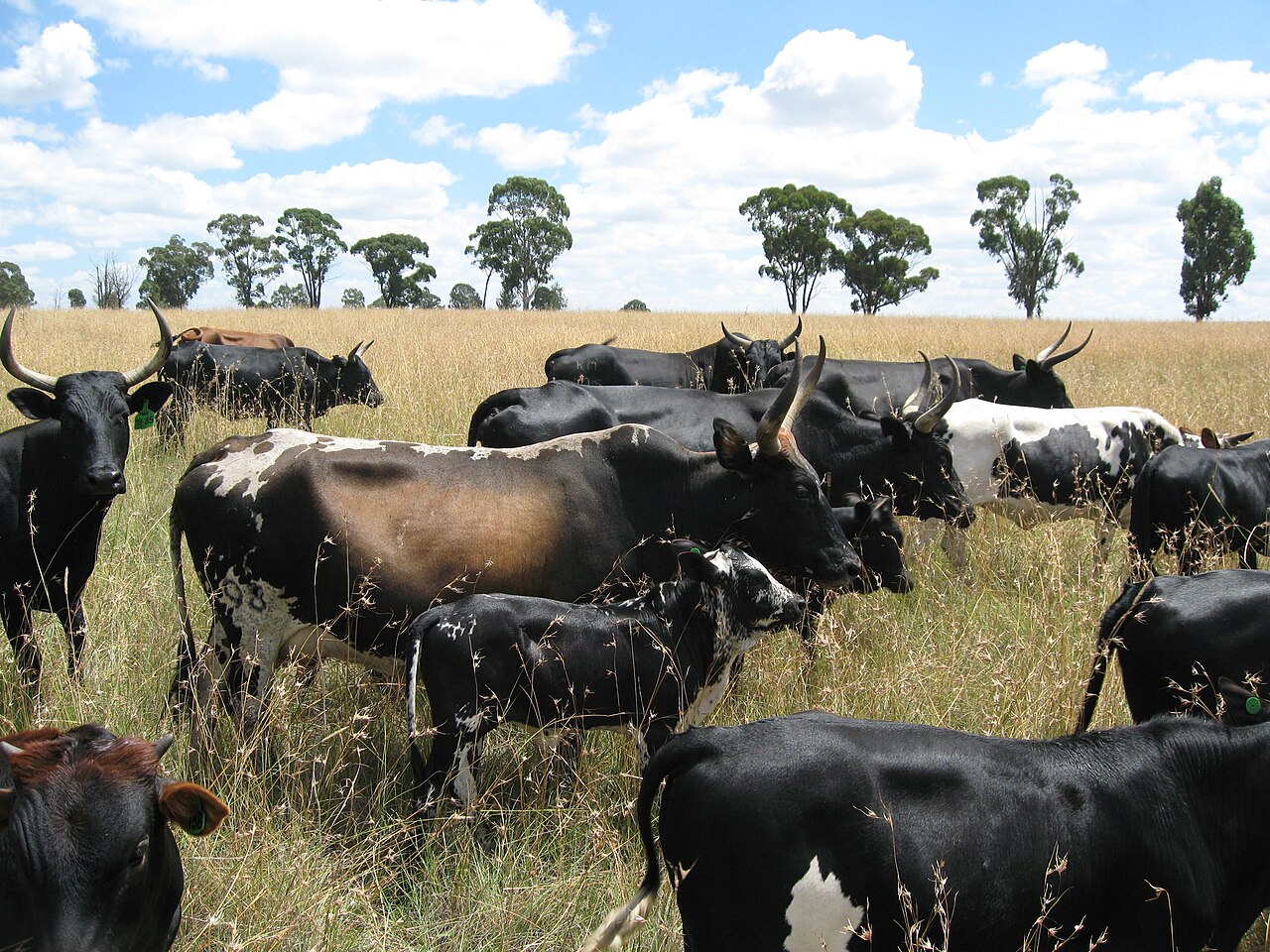
Communal livestock farmers in South Africa spend on average about 70% of their monthly farming income on animal remedies, and many still struggle with poor animal health, according to an Agricultural Research Council (ARC) study reported by Farmer’s Weekly.
The analysis of 457 livestock-owning households in communal areas of KwaZulu-Natal, Limpopo and the Eastern Cape was published in the South African Journal of Agricultural Extension in 2025. Average yearly spending was highest on sheep remedies at R3,364, followed by cattle at R2,749 and goats at R1,912.
“If such a large proportion of your income goes towards medicines and treatments, there is very little left to invest in better genetics, supplementary feed or infrastructure,” said lead author Dr Siphe Zantsi, an ARC agricultural economist. Farmers, he said, remain trapped in a cycle of spending on health problems without building productive capacity.
Scale is part of the reason. Commercial farmers buy vaccines and remedies in bulk at lower prices and finish a container before it expires. A farmer with a few animals must buy the same container, and because some products must be used soon after opening, part of it may be wasted. Goats, kept by 82% of respondents, averaged 38 animals a flock, and more than 80% of cattle owners kept fewer than 50 head.
Shared grazing adds another problem, since diseases and parasites move freely between herds on common land. “It does not help to dip, vaccinate or treat your animals preventatively if everybody in the communal area does not do the same,” Zantsi said. He added that shrinking government budgets have cut area-wide campaigns.
Education matters too. The average household head was 58, a third had only primary education and 10% had no formal schooling, which can make labels hard to follow and raises the risk that remedies are stored, mixed or dosed wrongly.
Photo: Justinjerez / Wikimedia Commons (CC BY-SA 3.0)
Source: Farmers Weekly South Africa


Comments
(0)