
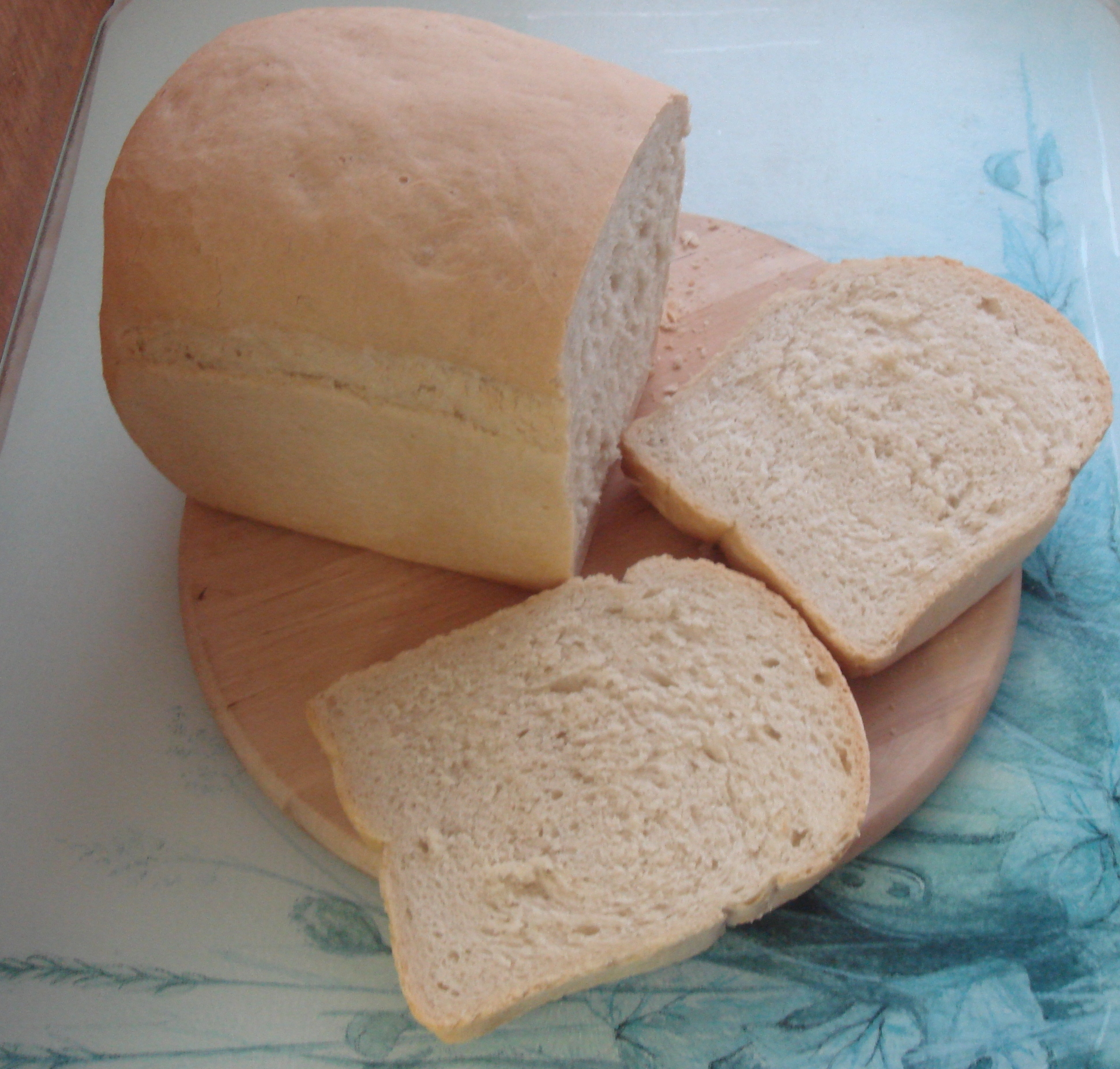
A loaf of soft, sandwich-style bread can be baked at home without an oven, using a large covered pot on an ordinary kitchen stove. Jagonews24 published the recipe in its food pages, and The Agro News carried it on 6 April 2025. It uses eight everyday ingredients: fine wheat flour (maida), yeast, sugar, salt, milk powder, oil, lukewarm water and one egg yolk. The dough rises twice, once for about an hour and again for about 15 minutes in the tin, and the loaf then bakes for about 20 minutes inside a pot lined with sand. As the original notes, most people buy their bread from a shop; this method is meant for kitchens that have a gas or electric hob but no oven.
The recipe below keeps every quantity and step from the original report. The sections after it explain what each ingredient does, what yeast is, where bread and Bangladesh's wheat flour come from, and what health and food-safety authorities said, as of early 2025, about salt, sugar and mouldy bread.
Ingredients for one loaf
The quantities are given in household cups and spoons, as in the original:
- Fine wheat flour (maida): 2 cups
- Yeast: 2 teaspoons
- Sugar: 2 tablespoons
- Salt: half a teaspoon
- Milk powder: 1 tablespoon
- Oil: 4 tablespoons
- Lukewarm water: half a cup plus 1 tablespoon
- Egg yolk: 1
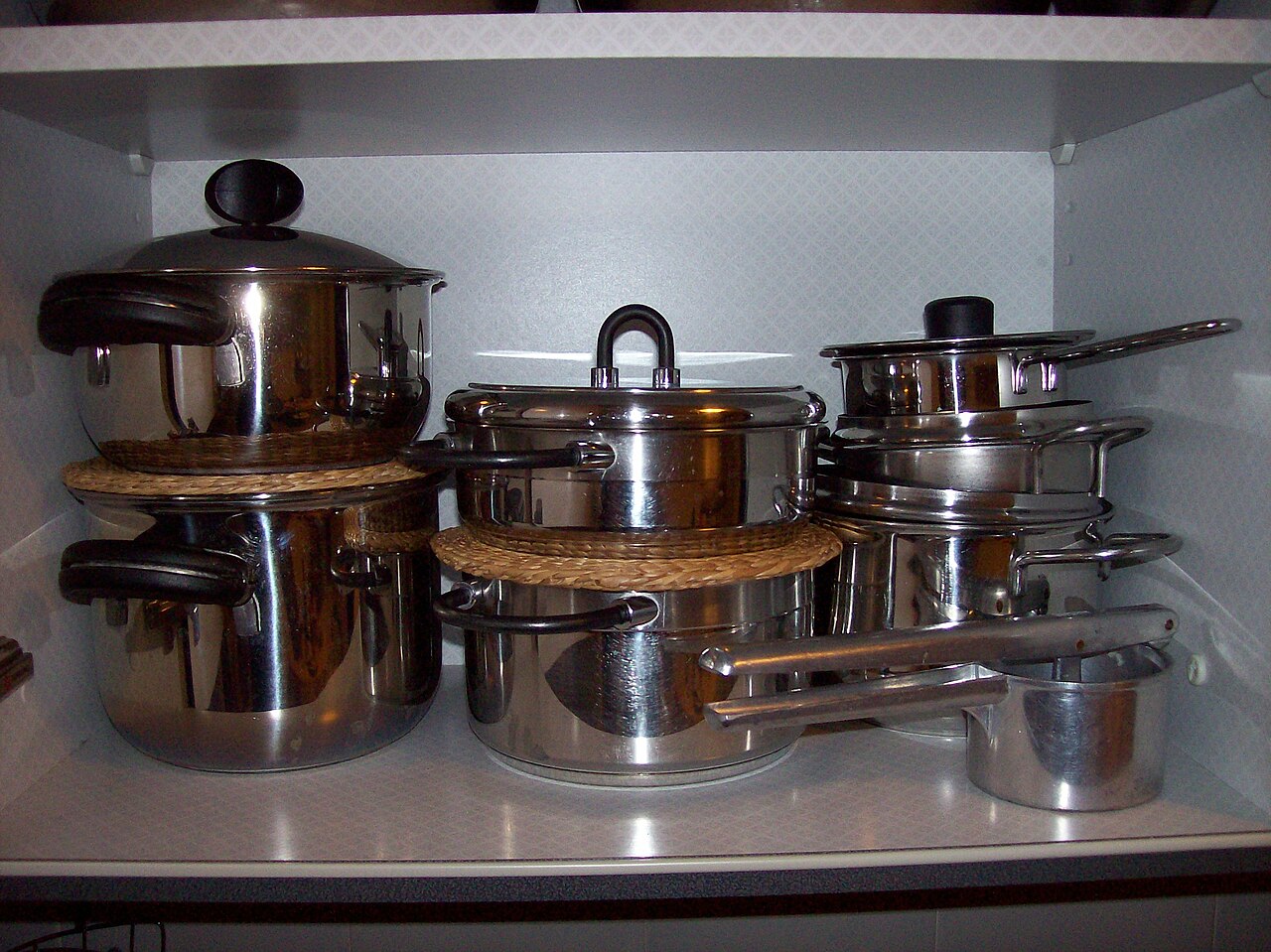
You will also need a bread tin (loaf mould), a little extra oil to grease it, a rolling pin, a large pot with a tight lid, a steel stand or trivet that fits inside the pot, enough clean sand to make a layer about 1 inch deep in the bottom of the pot, a brush for the egg yolk, and something heavy to weigh down the lid.
Method, step by step
- Put all the ingredients except the water into a bowl and rub them together well with your hand.
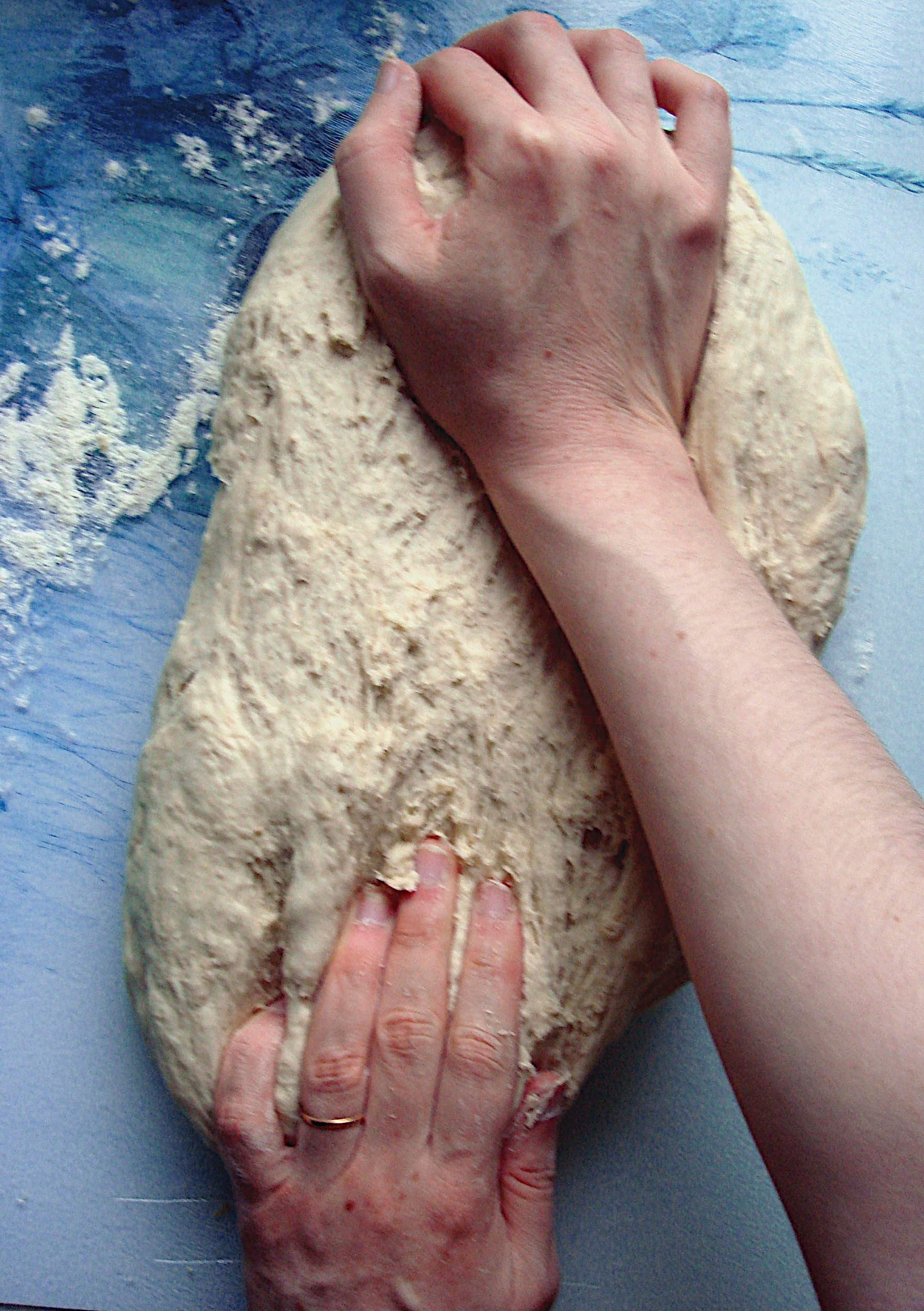
- Add the water and knead well for 10 to 15 minutes, until the dough is soft and smooth.
- Put the dough in an airtight container and leave it in a warm place for about an hour. In that time it will rise.
- Take the risen dough out and knead it well again to press out the air.
- Roll the dough out with a rolling pin into a round, as you would a flatbread. Then roll it up tightly into a log and even out the ends and sides.
- Grease the bread tin lightly with oil and lay the rolled dough in it.
- Leave the tin in a warm place for another 15 minutes. If you like, you can set it on the lid of a pot of hot water to keep it warm. By the end of this time the dough should have risen to fill the tin.
- Brush the top of the dough with the egg yolk.
- Put a large pot on the stove and spread sand in the bottom about 1 inch deep. Set a steel stand on the sand and cover the pot with its lid.
- Heat the empty, covered pot on high heat for 1 minute.
- Set the bread tin on the steel stand, put the lid back on and place something heavy on top of the lid. Bake on medium heat for at least 15 minutes.
- Turn the heat right down and leave it for another 5 minutes. Then lift the lid and look: if the top of the loaf has turned brown, take the tin off the heat.
- Leave the loaf in the tin for 10 to 15 minutes, then turn the tin over onto a plate to release it.
- Cover the bread with a damp towel or a thick folded cloth; the original says this makes the loaf softer. When it has cooled, slice and serve.
Baking without an oven: how the stove method works
A home oven surrounds a loaf with hot, dry air. The stove method in this recipe builds a small version of that inside a pot. The tin does not stand on the hot base: it sits on a steel stand above a layer of sand, and the lid, held down with a weight, keeps the heat inside. The pot is heated empty for a minute before the tin goes in, and the heat is then kept at medium for at least 15 minutes and at its lowest for 5 more. The browned top is the cook's signal that the loaf is done.
For comparison, a conventional oven recipe takes longer at a set temperature. The New Mexico State University Cooperative Extension Service's Breadmaking guide (Guide E-206, revised in October 2010), a home-baking publication produced with the U.S. Department of Agriculture, bakes its white bread, made in two greased loaf pans, in a hot oven at 400 degrees Fahrenheit for about 25 to 30 minutes, "or until done", and then removes the loaves from the pans to cool on wire racks. Because a pot on a gas ring has no thermostat, the stovetop recipe relies on time and on looking at the colour of the crust instead of a temperature.
The two rises in the recipe follow the same pattern as the extension guide. The guide's white bread is kneaded until smooth and elastic, about 8 to 10 minutes, left covered "in a warm place, free from draft, until it has doubled in volume (about 1 hour)", punched down, shaped and then left to rise again in the pan. The stovetop recipe's first rise of about an hour, the second kneading to press out the air, and the second rise in the tin are the same stages; its second rise is shorter, at about 15 minutes, before the loaf goes into the pot.
The original's suggestion of standing the tin on the lid of a pot of hot water during the second rise is a way of giving the dough the warm place that every yeast recipe asks for. The extension guide explains why warmth matters: yeast needs moisture, food and warmth to grow, and liquids that are too cold slow down or stop its activity.
What each ingredient does
Every item on the list has a job. The NMSU extension guide sets out the role of each one, and the English encyclopedia entry on bread adds detail on some of them.
Flour. Wheat flour is used most often in bread because it contains gluten. The extension guide explains that when flour is moistened and then stirred, beaten or kneaded, gluten develops to give bread "stretch", and that this elastic framework holds the gas produced by the yeast. That is why the recipe asks for 10 to 15 minutes of kneading. The guide also warns that the exact number of cups in a recipe can give a dough that is too soft or too stiff, depending on how much moisture the flour holds and on the weather, so home bakers should learn the right feel of a dough. The encyclopedia notes that flour's protein content is the best indicator of its quality for bread.
Yeast. Yeast needs moisture (milk or water), food (sugar and flour) and warmth. When it has them, it grows and produces carbon dioxide gas and alcohol. According to the extension guide, the gas makes the bread rise, while the alcohol passes off in cooking and helps give bread its characteristic aroma.
Sugar. Sugar is food for the yeast and so helps it make the carbon dioxide that raises the loaf. The guide adds that sugar also adds flavour and helps the bread brown, and that artificial sweeteners do not feed yeast and should not be used in breads.
Salt. Salt adds flavour and helps produce bread with a fine texture and grain. Too much of it slows the action of the yeast, which is one reason recipes use only a small amount; this one uses half a teaspoon for the whole loaf. The encyclopedia adds that salt stabilises and strengthens gluten.
Fat. The extension guide calls fat "shortening" because it lubricates the strands of gluten and makes them break easily: the more fat, the more tender the bread. It lists salad or cooking oils among the fats that can be used, and says fats give a soft and silky crust, help keep bread soft and add flavour. The four tablespoons of oil in this recipe serve that purpose.
Milk. The guide says all forms of milk, fresh, evaporated or dry, can be used with good results, and that dry milk can simply be mixed with the dry ingredients, as this recipe does with its tablespoon of milk powder. Milk gives a soft crust and a creamy white crumb, whereas water alone makes bread crusty.
Egg. Eggs give colour and flavour and help produce a fine crumb and tender crust. In this recipe the single yolk is brushed on top before baking, which gives the crust its colour.
Water. Liquid turns flour into dough. The extension guide warns that its temperature is critical: liquids that are too hot will kill the yeast, and liquids that are too cold will slow or stop it. Where yeast is dissolved in the liquid, the guide gives a temperature of 110 to 115 degrees Fahrenheit and advises beginners to use a thermometer. The original recipe simply asks for lukewarm water.
Yeast: the living raising agent
Baker's yeast is a microscopic yeast of the species Saccharomyces cerevisiae. The encyclopedia describes it as converting the fermentable sugars in dough into carbon dioxide and ethanol; the bubbles of gas are trapped by the gluten network and become the holes in the crumb. Once the loaf is heated, steam formed during baking is the main factor in its final rise, according to the same reference.

People used yeast long before they knew it was a living organism. The earliest definite records of yeast-leavened bread come from ancient Egypt. Commercial yeast for bakers is far more recent: the encyclopedia records that the Vienna Process was developed in 1846, that specialised growing vats for Saccharomyces cerevisiae were introduced in Great Britain in 1879, and that during the Second World War the Fleischmann's company developed granulated active dry yeast for the United States armed forces.
Shops sell yeast in several forms that differ mainly in their moisture content. Compressed or "cake" yeast is fresh and highly perishable. Active dry yeast comes as coarse granules that usually need to be dissolved and rehydrated in warm water first. Instant yeast has smaller granules that need no rehydration and can usually be added directly to the dry ingredients. Dry forms can keep for more than a year at room temperature. The recipe here mixes the yeast straight into the flour with the other dry ingredients before the water goes in, which is how instant yeast is normally used; anyone using active dry yeast may need to dissolve it in some of the lukewarm water first.
Two everyday ingredients hold yeast back. The encyclopedia notes that both salt and sugar inhibit yeast growth, salt more strongly, and that too much sugar draws water out of the yeast cells. A small amount of sugar, as in this recipe, feeds the yeast; a large amount slows it.
Bread across history, and in Dhaka
Bread is one of the oldest prepared foods. Starch residue found on stones used for pounding plants shows that people in Europe and Australia were processing plant foods about 30,000 years ago. The oldest direct evidence of bread-making so far comes from a Natufian site in the northeastern desert of Jordan, where the evidence is more than 14,000 years old.
As farming spread, around 10,000 BC, cereal grains became the basis of bread. Yeast spores occur naturally on grain, so dough left to stand will start to rise on its own. An early leavened bread was baked around 6000 BC in southern Mesopotamia; the knowledge may have passed to the Egyptians around 3000 BC, and the Egyptians began adding yeast to flour. The Roman writer Pliny the Elder recorded that the Gauls and Iberians used the foam skimmed from beer to leaven their bread, while others kept a piece of the previous day's dough as a starter.
Modern factory bread came much later. The Chorleywood bread process, developed in 1961, uses intense mechanical mixing to shorten the fermentation time. A home loaf such as this one follows the older pattern of long kneading and natural rising.
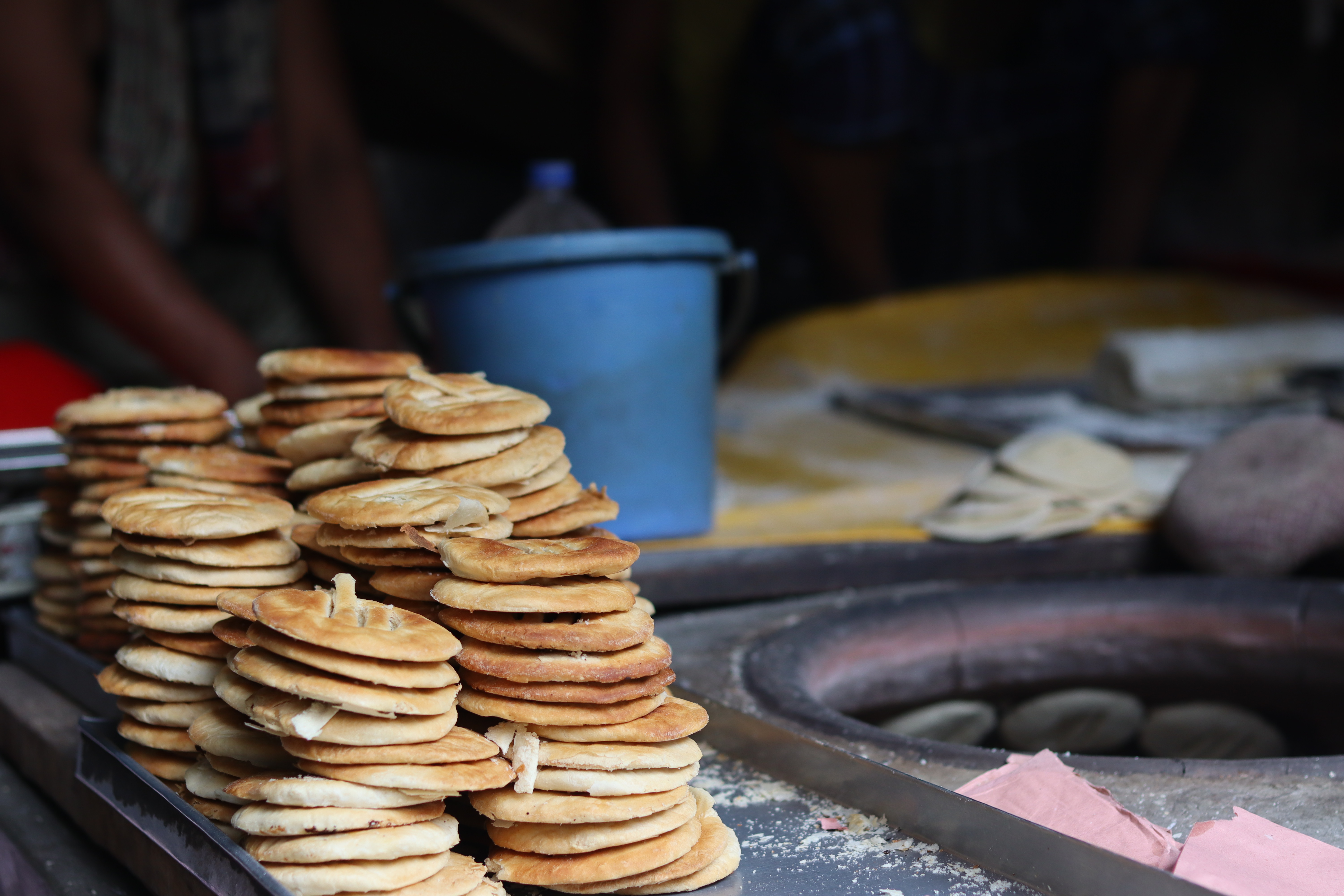
Bangladesh has its own baking traditions. Banglapedia, the national encyclopedia, describes bakorkhani as a traditional bakery product dating back to Mughal times and, until recently, peculiar to Dhaka city. It is a round, crisp bread made mainly with flour, milk, salt, dalda, ghee, cheese and khamir (leaven), stretched and folded with its ingredients and baked on a tandoor or tawa. People in Dhaka ate it for breakfast with korma, sheek kabab or sweets, and demand was especially high during the two Eids. Banglapedia records that Hakim Habibur Rahman, in his book Dhaka Pachash Barash Pahley published in the 1940s, described three main kinds, gao joban, shuki and nimshuki, and that bakorkhani is now also sold in packets in confectioneries across Dhaka.
Wheat and flour in Bangladesh
The flour in this recipe is maida, the fine white wheat flour sold in every Bangladeshi market alongside the coarser atta. Banglapedia notes that wheat is used in Bangladesh mostly as atta or maida for making bread and cakes, that hard-grained varieties suit macaroni, spaghetti and noodles, and that soft varieties suit biscuits. Wheat was introduced in Bengal in 1930-31, but its importance as a food crop was recognised only around 1942-43, and research on modern varieties began in Bangladesh in 1965.
The United States Department of Agriculture's Foreign Agricultural Service office in Dhaka set out the position in its Grain and Feed Annual report dated 31 March 2025, published a few days before this recipe. It described wheat as the second most important staple food in Bangladesh after rice, with local production covering 14 percent of total demand. Wheat is sown in the robi (winter) season in November and December and harvested in March and April. Bangladesh grows mainly soft wheat, which, with its lower protein and gluten, suits chapati (roti), biscuits and cakes; hard wheat with strong gluten is used for pasta and some kinds of bread.
The report estimated the wheat harvest for marketing year 2024/25 at 1.1 million tonnes from 310,000 hectares. It said the lack of improved varieties had led to a gradual decline in wheat area and production, that wheat blast disease significantly reduces yields, and that farmers were earning more from fruit and vegetables in the robi season. It cited the Bangladesh Wheat and Maize Research Institute (BWMRI) as saying the best temperature range for Bangladeshi wheat varieties is 12 to 25 degrees Celsius, while daytime temperatures in many parts of the country reach 30 degrees after mid-February, harming late-sown wheat as the grain develops.
Most of the flour Bangladeshis eat is milled from imported grain. The report estimated wheat imports in marketing year 2024/25 at 6.8 million tonnes, the same as the year before, and said about 4 million tonnes had arrived in the first eight months of the year, 90 percent of it brought in by private importers. About 60 percent of the year's imports came from Russia, with Ukraine, Canada and Argentina among the other main suppliers. Soft wheat from Russia, Ukraine and the European Union is used mainly for cakes, cookies, pastries and other baked goods, while importers prefer Canadian Western Red Spring wheat for its high gluten content, which makes it ideal for bread, pasta and noodles. Mills often blend hard and soft wheat to reach the gluten and protein level they need.
Prices of flour had eased by early 2025. According to the report, citing the Trading Corporation of Bangladesh, the average retail price of unpacked coarse flour (atta) in February 2025 was 42.5 taka a kilogram, 11.5 percent lower than a year earlier, and unpacked fine flour (maida) cost 57.5 taka a kilogram, 8 percent lower. Packed atta and maida cost 52.5 and 67.5 taka a kilogram.
Demand for wheat foods was rising. The report put food, seed and industrial use of wheat at 7.7 million tonnes for 2024/25. It said city dwellers were eating less rice and more wheat-flour roti, that a growing middle class was buying more bakery products, and that the biscuit, noodle and pasta industries were expanding. Bangladesh also exports wheat-based foods, among them bread, pastry, cakes, sweet biscuits, roasted cereals and pasta, mainly to Bangladeshis living in Saudi Arabia, Oman, Malaysia, the United States and the United Kingdom; the report estimated the export value for fiscal 2024-25 at 225 million dollars.
Salt, sugar and keeping bread safe
The original report described homemade bread as the healthier choice. That claim is not repeated here, because no health authority supports it as a general rule; what a loaf contains depends on its recipe. What a home baker does know is exactly how much salt, sugar and fat goes into the dough.
The World Health Organization's guidance in force in early 2025 is relevant to anyone baking or buying bread. Its sodium fact sheet said almost all populations eat too much sodium, with adults worldwide averaging 4,310 milligrams a day, more than double WHO's recommendation for adults of less than 2,000 milligrams of sodium a day, equivalent to less than 5 grams of salt, or about one teaspoon. The main health effect of a high-sodium diet is raised blood pressure, which increases the risk of cardiovascular disease. WHO listed breads, along with processed meat and snack foods, among the processed foods that are often high in sodium.
On sugar, WHO's healthy diet fact sheet advised adults to take less than 10 percent of their total energy from free sugars, which for a person of healthy body weight eating about 2,000 calories a day is equivalent to 50 grams, or about 12 level teaspoons, and ideally less than 5 percent. Free sugars include all sugar added to food by the manufacturer, cook or consumer. The same fact sheet lists whole grains, such as unprocessed wheat, as part of a healthy diet. Anyone with high blood pressure, diabetes or another condition that affects diet should ask a doctor or dietitian how bread fits into their meals.
Homemade bread has no preservatives, so it should be eaten within a few days and checked for mould. The U.S. Department of Agriculture's Food Safety and Inspection Service advises throwing away bread and baked goods that show mould, rather than cutting the mould off, because porous foods can be contaminated below the surface. It explains that the fuzzy spots seen on bread are only part of the mould: its root threads can grow deep into the food, and a few moulds can produce mycotoxins, poisonous substances that can make people sick.
Photo: ElinorD / Wikimedia Commons (CC BY-SA 3.0)
Sources: Jagonews24, New Mexico State University Cooperative Extension Service (Breadmaking, Guide E-206), USDA Foreign Agricultural Service (Bangladesh Grain and Feed Annual, 31 March 2025), Banglapedia, World Health Organization, USDA Food Safety and Inspection Service, Wikipedia

Comments
(0)