
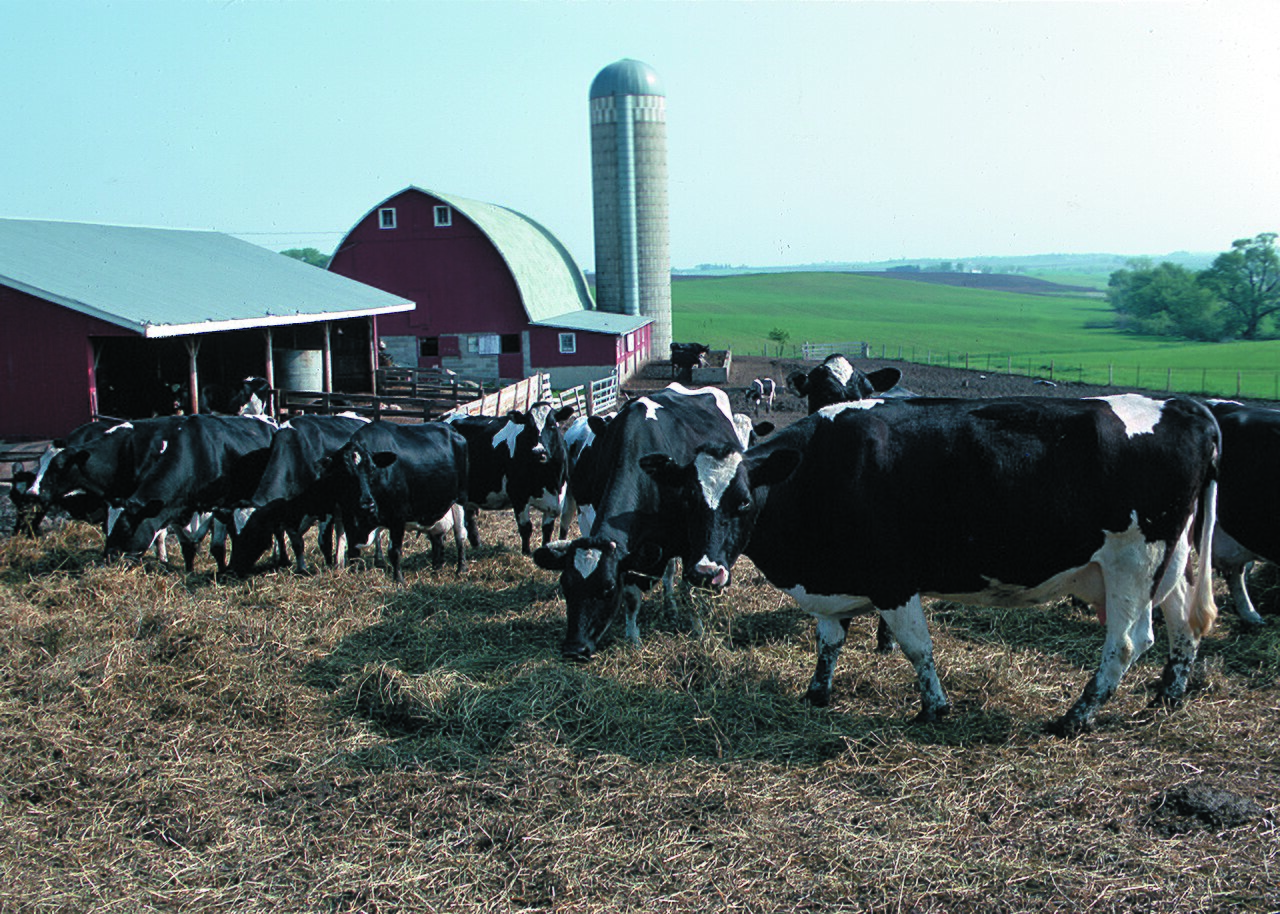
Heat stress is the best-known strain on a dairy cow, but social stress from changing pen mates may cost a herd more than farmers notice, writes John Yost in a management column for Farm and Dairy. Being startled briefly is not the problem; prolonged stress keeps adrenaline and cortisol high, and that depresses immunity and appetite, makes cows restless and lowers production.
Cattle are social animals that want a stable herd, and modern dairying keeps changing it. Heifers may be raised off the farm or in one group, moved to another to calve and to a third when they join the milking string, and cows are often regrouped again after peak milk so that rations can be matched to their needs. Each move brings novelty, and the animals need time to settle.
Yost's first advice is never to move a single animal. Every pen has a pecking order, and a lone newcomer can be bullied away from stalls, feed bunk and water. Moving as large a group as possible spreads that pressure.
The second is not to overcrowd. He cites research at the William H. Miner Agricultural Research Institute that found no difference in lying and rumination time when freestalls and headlocks were stocked to about 115%, but less lying, feeding and rumination above 130%. Enough space gives subordinate cows a fair chance at resources.
The third is light. Cows need about 16 hours of light and 8 of darkness to rest; on farms busy around the clock, red lights can replace white ones during the dark hours.
Stressed cows stand or pace more, eat and drink less, ruminate less and let down milk more slowly, which lengthens milking and can raise somatic cell counts and mastitis. Activity collars, ear tags and boluses now record these changes, Yost notes, so managers can see when stress rose and look for the cause. A content cow rests, chews her cud, eats more and gives more milk.
Photo: Lynn Betts, USDA NRCS / Wikimedia Commons (Public domain)
Source: Farm and Dairy
Comments
(0)