
On 17 January 2026 the lifestyle desk of the Bengali news site Jagonews24 took up a question that many households in Bangladesh live by: is eating a few soaked raisins on an empty stomach in the morning really good for health? Some people say the habit keeps digestion in order, some say it eases anaemia, and others treat it as a natural tonic for the skin. The report named the Harvard T.H. Chan School of Public Health, the US Department of Agriculture's FoodData Central and the UK's National Health Service (NHS) as its sources. Its finding was that, from the point of view of nutrition science, eating raisins in the morning has some real benefits, but that some people need to be careful.
The report's conclusion was a measured one. For healthy people, it said, soaked raisins in the morning can be beneficial if the amount is small and regular, but raisins are no magic food, and each person should keep them in the diet according to their own body's condition and needs. This account checks each of its claims against sources that were available on that date: the USDA's nutrient data, guidance from the NHS, the US National Institutes of Health (NIH) and the World Health Organization (WHO), and published clinical studies on raisins. It is general information, not medical advice. Anyone with diabetes, kidney disease, anaemia or a long-standing digestive problem should speak to a doctor or a registered dietitian before changing what they eat.
What raisins are
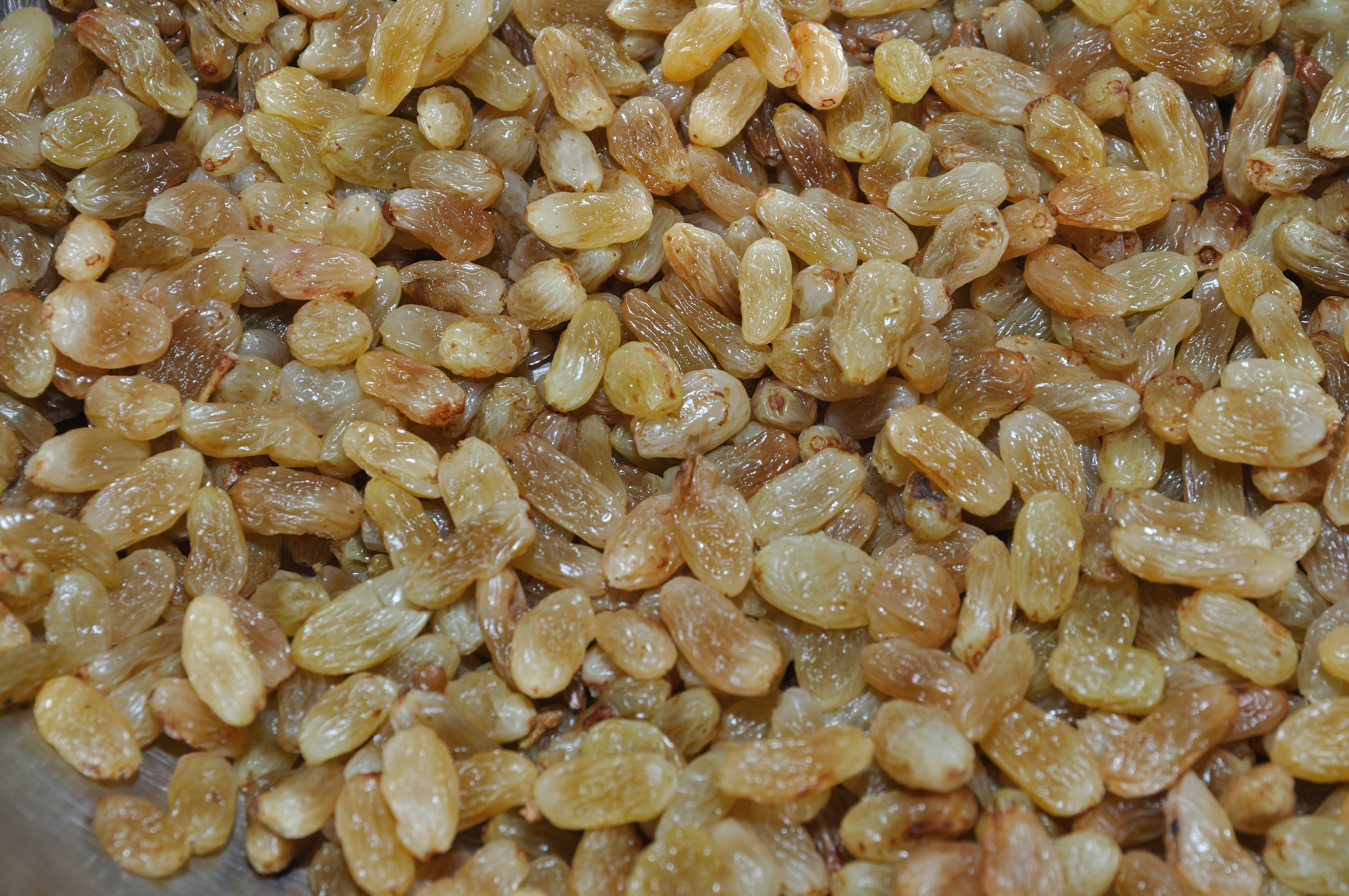
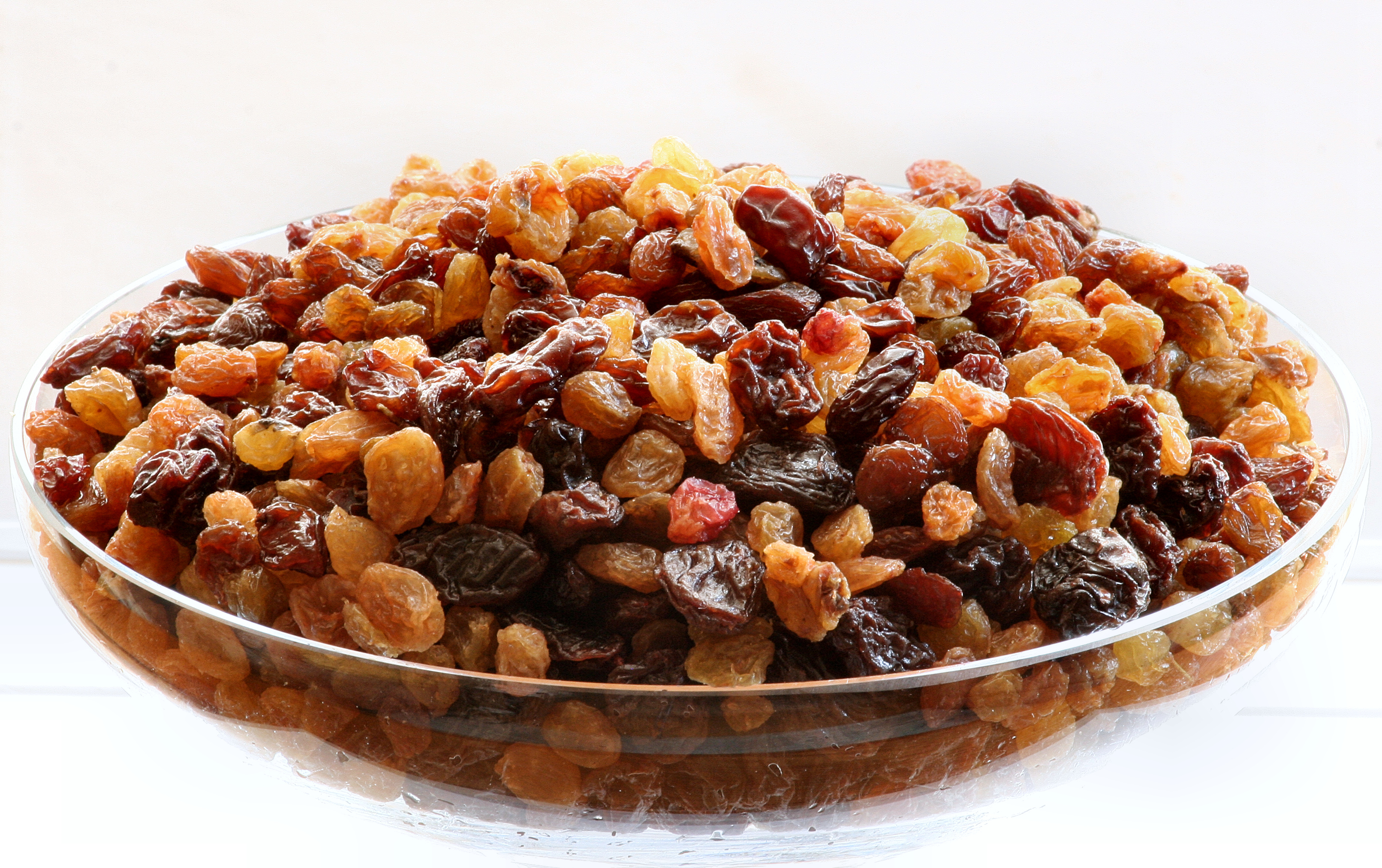
Raisins are dried grapes, mostly made from varieties of the common grape vine, Vitis vinifera, according to a review titled 'Is Eating Raisins Healthy?' published in the journal Nutrients in December 2019 by researchers at the University of Barcelona and the University of Concepcion in Chile. The type of raisin depends on the grape variety, its colour and its size. The review lists the most common kinds: dark raisins, usually made from Thompson Seedless grapes; golden raisins, normally produced from white Muscat grapes; sultanas, which come from seedless yellow grapes and are usually sweeter and softer than the others; and Zante currants, also called Corinthian raisins, which are made from small black Corinth grapes.
Part of the difference in colour comes from processing. Golden raisins are made with a treatment of sulphur dioxide rather than by drying alone, and they are sometimes dried in dehydrators with controlled temperature and humidity. Black Corinth or Zante currants are small, dark and tart in flavour, while Muscat raisins are larger and sweeter than most other varieties. In the Middle East and Asia, large black grapes called monukka are also used to make large raisins.
Raisins are produced in many regions of the world and are eaten on their own or used in cooking and baking. Estimated world production of raisins, sultanas and currants in the 2023-24 season was 1.1 million tonnes, according to the International Nut and Dried Fruit Council, with Turkey, China, Iran and the United States the largest producers.

How grapes become raisins
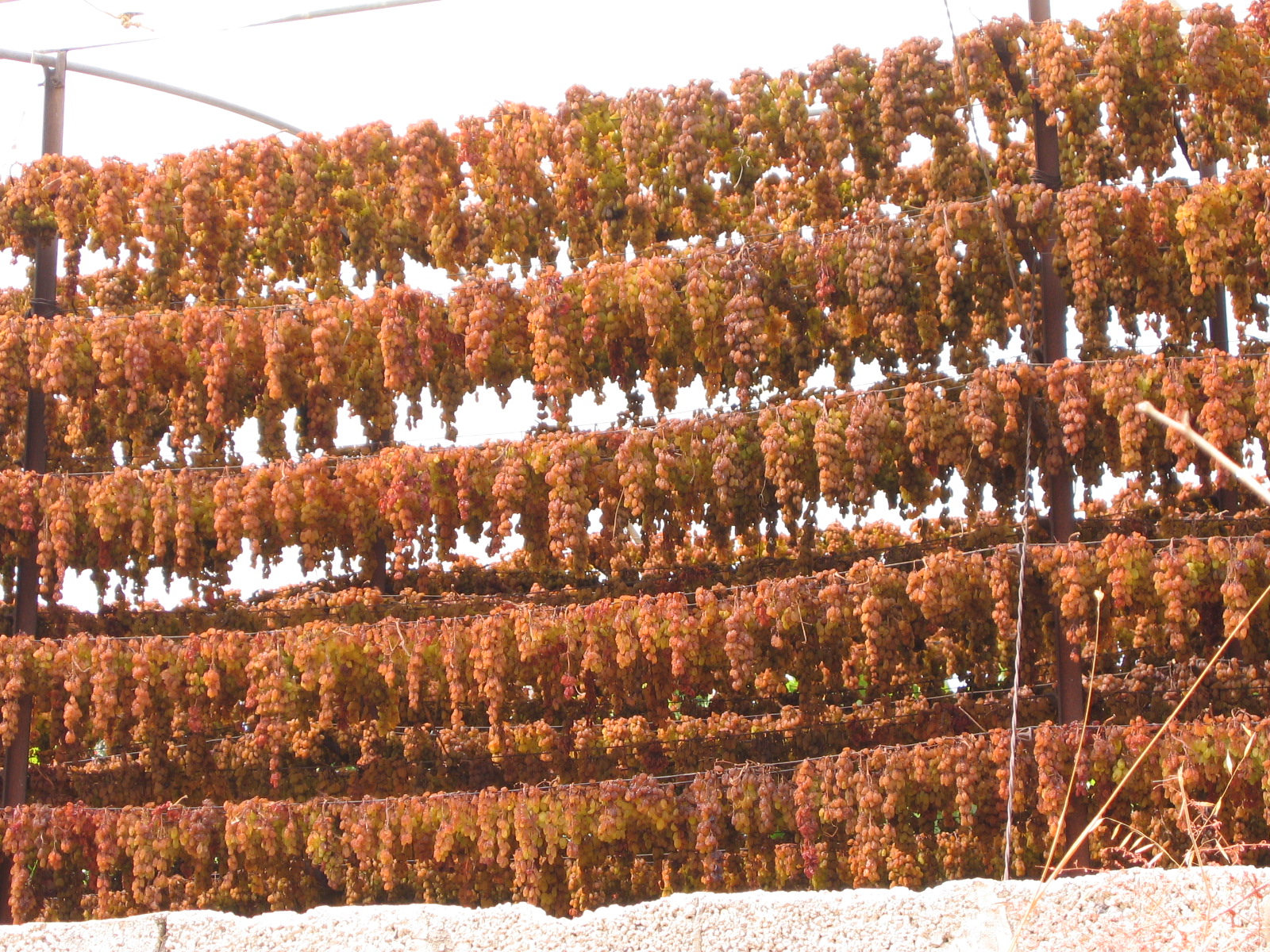
Drying a grape is harder than it sounds. The water inside the fruit has to move out of the cells to the surface, where it can evaporate, but the grape's skin carries a waxy cuticle that holds water in. Commercial production therefore has three stages: pre-treatment, drying and post-drying processing.
Pre-treatment speeds up the loss of water, and faster drying means less browning. The traditional method, developed around the Mediterranean and Asia Minor, was a cold dip made of potassium carbonate and ethyl esters of fatty acids, which raised the rate of water loss two- to threefold. Newer methods expose the grapes to oil emulsions or dilute alkaline solutions. The grapes are then dried in the sun, in the shade or mechanically. Sun drying is cheap, but the fruit is exposed to dirt, insects and microbial spoilage; mechanical drying, including microwave drying that produces puffed raisins, is quicker and more controlled. Afterwards the raisins are washed at processing plants, stems and off-grade fruit are removed, and the raisins are dried again to take off the moisture picked up in washing. Sulphur dioxide is sometimes applied before drying to slow browning and to help keep the flavour and some vitamins.
Drying also changes what the fruit contains. The Nutrients review notes that dehydration turns part of the grape's sugar into fructan, a form of fibre: fructans cannot be detected in fresh grapes, but in raisins they can make up as much as 8 per cent. The review also records a safety concern. If humid weather sets in while grapes are drying, they can be contaminated by Aspergillus moulds that produce a toxin called ochratoxin A, and the European Commission has set a maximum level of 10 micrograms per kilogram of ochratoxin A in dried vine fruit. Several studies found levels in raisins below that limit, while others reported samples above it; a study the review cites estimated that the risk of an acute toxic effect from eating raisins was minimal.
What 100 grams of raisins contain
The Jagonews24 report explained that drying concentrates a grape's natural sugar, fibre, iron, potassium and antioxidants. The USDA's FoodData Central database (its SR Legacy release, published in April 2019) puts figures on that. It gives 100 grams of dark seedless raisins about 15.5 grams of water, 299 kilocalories of energy and 79.3 grams of carbohydrate, of which 65.2 grams are sugars and 4.5 grams dietary fibre. The same amount has 3.3 grams of protein and only 0.25 grams of fat. Among minerals and vitamins, 100 grams of dark raisins contain 744 milligrams of potassium, 1.79 milligrams of iron, 62 milligrams of calcium, 36 milligrams of magnesium, 98 milligrams of phosphorus, 26 milligrams of sodium and 2.3 milligrams of vitamin C.
Golden raisins are similar in most respects. Using the same USDA data, the Nutrients review lists 301 kilocalories, 65.7 grams of sugars, 3.3 grams of fibre, 746 milligrams of potassium and 0.98 milligrams of iron per 100 grams of golden raisins.
The sugars are almost all glucose and fructose. In the USDA figures, 100 grams of dark raisins contain 34.7 grams of fructose and 30.5 grams of glucose, and no measurable sucrose. The review describes raisins as about 60 per cent sugar and notes that this is why many people think of them as unhealthy, although they are also rich in fibre and plant compounds.
Those plant compounds are what the original report called antioxidants. The review names phenolic acids (caftaric and coutaric acid) and flavonols (glycosides of quercetin and kaempferol, and rutin) as the main polyphenols in raisins, together with anthocyanins, triterpenoids such as oleanolic acid, and tartaric acid. The amount varies widely between varieties: in one comparison the review cites, red raisins had the highest total phenolic content and white raisins the lowest.
A sensible portion is small. The NHS counts about 30 grams of dried fruit, which it describes as about one heaped tablespoon of raisins, currants or sultanas, as one of the five daily portions of fruit and vegetables that it recommends for adults. In the same guidance it adds that dried fruit can be high in sugar and bad for the teeth.
Digestion and constipation
The Jagonews24 report called raisins a friend to digestion: their dietary fibre, it said, increases the movement of the gut, helps reduce constipation and keeps the gut healthy. Health authorities support the general point about fibre and fruit. The NHS lists not eating enough fibre, found in fruits, vegetables and cereals, and not drinking enough fluids among the most common causes of constipation in adults. Its advice for softer stools is to eat a healthy, balanced diet that includes fruits containing sorbitol, naming apples, apricots, grapes (and raisins), raspberries and strawberries; to drink plenty of water and other fluids; and to increase fibre gradually, for example with wheat bran, oats or linseed.
The Harvard T.H. Chan School of Public Health's Nutrition Source says children and adults need at least 25 to 35 grams of fibre a day for good health, while most Americans get only about 15 grams. It explains that soluble fibre dissolves in water and can help lower glucose and blood cholesterol, while insoluble fibre helps food move through the digestive system and helps prevent constipation. A 2011 review in the Journal of Medicinal Food noted that raisins contain both forms of fibre.
Two small studies tested raisins directly. In a dose-response study published in 2003, 16 healthy adults ate 84, 126 and 168 grams of sun-dried raisins a day, each amount for two weeks. Their stool weight rose from 168 grams a day without raisins to 200 grams a day at the highest amount, and the time food took to pass through the gut fell from 54 hours to 42 hours. At 84 grams a day the transit time fell to 44 hours, a change the authors considered meaningful though it was not statistically significant, and faecal bile acids dropped from 1.00 to 0.38 milligrams per gram. In a second study, 13 healthy adults ate 120 grams of sun-dried raisins a day or 5 grams of cream of tartar, the amount of tartaric acid in that many raisins. Transit time fell from 42 hours to 28 hours on raisins, stools were softer, and the authors credited both the fibre and the tartaric acid.
These studies used far larger amounts than the NHS portion of about 30 grams, and the 2019 review cautions that more studies are needed before a firm conclusion on colon function can be drawn. Research on gut bacteria is at an even earlier stage. In one laboratory model raisins increased beneficial Bifidobacteria and Lactobacilli, and in the one human study the review describes, healthy people who ate three servings of 28.3 grams of sun-dried raisins a day for 14 days showed no significant change in overall gut bacterial diversity, though some groups of bacteria rose or fell and the production of short-chain fatty acids increased. The NHS advises seeing a GP for constipation that does not get better with treatment, for blood in the stool, for weight loss without trying, or for tummy pain.
Iron and anaemia
The second benefit the report described was help with making haemoglobin. It said raisins contain plant iron that can help people with anaemia or iron deficiency when eaten regularly, and that eating them with foods rich in vitamin C improves iron absorption. Anaemia is a large problem in the region. According to the WHO's anaemia fact sheet of 10 February 2025, an estimated 40 per cent of children aged 6 to 59 months, 37 per cent of pregnant women and 30 per cent of women aged 15 to 49 are affected worldwide, and the WHO South-East Asia Region, which includes Bangladesh, has an estimated 244 million women and 83 million children with anaemia.
The WHO says iron deficiency, mainly from too little iron in the diet, is the most common nutritional deficiency that leads to anaemia. It is not the only cause: deficiencies of vitamin A, folate, vitamin B12 and riboflavin, infections such as malaria and parasitic worms, blood loss, and inherited red blood cell disorders such as thalassaemia can all cause it. For that reason the WHO says treatment depends on the underlying cause, and it advises people to speak to a health-care provider early if they have symptoms such as tiredness and shortness of breath.
MedlinePlus, the NIH's consumer health service, explains that the body needs iron to make haemoglobin, the oxygen-carrying protein in red blood cells, and lists dried fruits, including prunes, raisins and apricots, among the plant sources of iron. It adds that iron from vegetables, fruits and grains is harder for the body to absorb. Foods rich in vitamin C, such as citrus fruits, strawberries, tomatoes and potatoes, increase iron absorption, and eating some lean meat, fish or poultry with beans or dark leafy greens can improve the absorption of iron from plant foods up to three times. Black tea, on the other hand, contains substances that bind iron so the body cannot use it. The WHO's advice is similar: eat iron-rich foods such as lean red meat, fish, poultry, lentils and beans, fortified cereals and dark green leafy vegetables; eat vitamin C-rich foods; and avoid tea, coffee, cocoa and calcium with iron-rich meals.
The amounts put raisins in perspective. The USDA gives 1.79 milligrams of iron in 100 grams of dark raisins. The recommended dietary allowance, as MedlinePlus lists it, is 8 milligrams a day for men aged 19 and over, 18 milligrams for women aged 19 to 50, and 27 milligrams for pregnant women. Raisins can add some iron to a varied diet, but anyone with symptoms of anaemia should, as the WHO advises, see a health-care provider, because the right treatment depends on the cause.
Potassium, blood pressure and antioxidants
The report's third point was that the potassium in raisins helps maintain the body's electrolyte balance and plays a role in controlling blood pressure. The NIH Office of Dietary Supplements (ODS) lists raisins among good food sources of potassium: half a cup of raisins contains 618 milligrams, close to dried prunes (635 milligrams) and dried apricots (755 milligrams). The adequate intake set by the US National Academies is 3,400 milligrams a day for men aged 19 and over and 2,600 milligrams for women. The ODS explains that the kidneys regulate potassium, keeping blood levels normally between about 3.6 and 5.0 millimoles per litre, and that higher potassium intakes may help decrease blood pressure, in part by widening blood vessels and increasing the amount of sodium passed in urine. The DASH eating pattern, which emphasises potassium from fruits, vegetables and low-fat dairy foods, lowers systolic blood pressure by an average of 5.5 mmHg and diastolic pressure by 3.0 mmHg.
Some trials have tested raisins themselves. In a 12-week randomised trial published in Postgraduate Medicine in 2014, 31 adults ate raisins three times a day and 15 ate processed snacks. Systolic blood pressure fell by 6.0 to 10.2 mmHg in the raisin group at 4, 8 and 12 weeks, while the snacks made no significant difference; body weight did not change in either group. A 2015 study of 51 people with type 2 diabetes reported an 8.7 mmHg greater fall in systolic blood pressure with dark raisins than with processed snacks, but no significant change in diastolic pressure, weight or cholesterol. The 2019 review also cites three large cohort studies with 187,453 participants followed for more than 20 years, in which eating four or more servings of raisins a week, a serving being 40 to 50 grams, was associated with a lower risk of developing high blood pressure. The trials compared raisins with processed snacks, and the cohort studies show an association rather than cause and effect.
On antioxidants, the original report said they protect cells by reducing damage from free radicals, which is good for the heart and skin in the long term. The 2019 review found that raisins show strong antioxidant capacity in laboratory and human experiments. In one crossover study 15 healthy men who ate 50 grams of raisins a day had higher serum antioxidant capacity by the second and third weeks, although the values dropped in the fourth. The review's authors were careful, however: such studies, they wrote, are not enough to prove that raisins lower the risk of chronic disease, and long-term clinical studies are needed. None of the studies in the review examined the skin, so the idea of raisins as a skin tonic remains a popular belief.
Blood sugar and diabetes
The report's strongest caution was for people with diabetes. Raisins contain a lot of natural sugar, it said, and eating many of them on an empty stomach in the morning can make blood sugar rise suddenly, so people with diabetes should not eat raisins without the advice of a doctor or nutritionist. Two measures help explain the risk. The Harvard Nutrition Source describes the glycaemic index (GI) as a ranking of carbohydrate foods from 0 to 100 by how quickly and how much they raise blood sugar: 55 or less is low, 56 to 69 medium, and 70 or more high. Because the GI does not show how much carbohydrate a portion delivers, researchers also use the glycaemic load, which multiplies a food's GI by the amount of carbohydrate it contains; a load of 20 or more is high, 11 to 19 medium and 10 or less low. With 79.3 grams of carbohydrate in 100 grams of raisins, the size of the portion matters a great deal.
Measured GI values for raisins are low to medium. In a 2008 study at Ohio State University, published in Nutrition Research, volunteers ate raisins providing 50 grams of digestible carbohydrate. The GI was 49.4 in 10 healthy sedentary adults, 49.6 in 10 adults with prediabetes and 62.3 in 11 trained athletes, and the insulin response was also low. A 2013 study at Harokopio University in Athens gave 74 grams of Corinthian raisins to 15 healthy people and 15 people with type 2 diabetes and estimated a GI of 66.3; blood sugar and insulin rose less than after a glucose drink. The 2019 review puts the reported range at 49 to 69 and attributes the moderate values to fructose, the main sugar in raisins, which has a low GI of its own.
The 2015 trial in people with type 2 diabetes gave dark Californian raisins in 28-gram servings three times a day, before breakfast, lunch and dinner, and found a 23 per cent reduction in blood sugar levels after meals compared with processed snacks; the drops in fasting glucose and HbA1c were not statistically significant. The review's authors called raisins a good choice for people with diabetes because of their GI, but those were small, short studies in which the amount was fixed by the researchers.
Diabetes is common and serious. The WHO's fact sheet of 14 November 2024 says the number of people living with diabetes rose from 200 million in 1990 to 830 million in 2022, when 14 per cent of adults had the disease, and that a healthy diet, regular physical activity, a normal body weight and avoiding tobacco can prevent or delay type 2 diabetes. The NHS advises people with type 2 diabetes to eat a healthy diet including fruit, vegetables, wholegrain foods and pulses, not to eat too many processed foods high in salt and sugar, and not to switch to a very strict diet without talking to a health professional, because it may not suit people taking insulin or other diabetes medicines. That matches the original report's advice: a person with diabetes should agree on any daily raisin habit, and its size, with their doctor or dietitian.
Weight, teeth, irritable bowel and kidneys
The report also warned people who are overweight or trying to lose weight to control the amount, because raisins are calorie-dense. The USDA figure of 299 kilocalories per 100 grams bears that out. The NHS explains that eating too much sugar can contribute to taking in too many calories, which can lead to weight gain, and that being overweight raises the risk of heart disease, some cancers and type 2 diabetes. One study in the 2019 review found that a raisin snack before a meal reduced how much children aged 8 to 11 then ate, but the review says more research is needed on raisins and body weight in both children and adults.
Teeth are a further reason to think about timing. The NHS says dried fruit can be high in sugar and bad for the teeth, advises swapping dried fruit for fresh fruit especially between meals, and says that to reduce the risk of tooth decay dried fruit is best eaten as part of a meal, for example added to breakfast cereal, rather than as a snack between meals. The 2019 review reports research suggesting that raisins eaten alone do not push the pH of dental plaque below 5.5, the level at which enamel starts to be damaged, but the NHS guidance remains the authority's advice.
For irritable bowel syndrome (IBS) and long-standing gas or acidity, the report said raisins can increase stomach discomfort. The NHS says no single diet works for everyone with IBS and advises keeping a diary of food and symptoms to find triggers, eating no more than three portions of fresh fruit a day, and avoiding products containing the sweetener sorbitol to ease bloating, cramps and wind. Raisins contain both sorbitol, according to the NHS, and fructans, according to the 2019 review, and the Harvard Nutrition Source notes that people with IBS may be sensitive to fructan-type fibres, which can cause bloating or stomach upset. The NHS advises seeing a GP if diet changes do not help.
The report's last caution concerned kidney disease. The US National Institute of Diabetes and Digestive and Kidney Diseases (NIDDK) explains that chronic kidney disease can make it harder for the kidneys to remove potassium, so blood levels can become very high, and that too much or too little potassium can cause heart and muscle problems. It advises working with a dietitian to find the right amount and notes that a large serving of a lower-potassium food may contain more potassium than a small serving of a higher-potassium one. The ODS adds that in people with chronic kidney disease, or those taking medicines such as ACE inhibitors or potassium-sparing diuretics, even intakes below the adequate intake can cause dangerously high potassium, and that such people should consult a physician or registered dietitian about how much potassium to take from all sources.
Soaked, on an empty stomach: what the studies covered
The habit the report described has two particular features: soaking the raisins overnight and eating them first thing in the morning. The report said soaking softens raisins and makes their nutrients easier to absorb and digest. The studies above used dry raisins, sun-dried, dark Californian or Corinthian, eaten in measured amounts, and in the diabetes trial they were eaten before meals three times a day. None of the authorities consulted for this account compares soaked with dry raisins or morning with other times of day, so the evidence covers raisins as a food rather than the ritual of soaking them.
For a healthy adult who keeps the habit, the NHS guidance points to eating the raisins with a meal such as breakfast rather than on their own between meals, in a portion of about 30 grams. For anyone with diabetes, kidney disease, anaemia or IBS, how many raisins to eat, and when, is a question for their doctor or dietitian.
Photo: Biswarup Ganguly / Wikimedia Commons (CC BY-SA 3.0)
Sources: Jagonews24, USDA FoodData Central, NHS, NIH Office of Dietary Supplements, MedlinePlus, NIDDK, World Health Organization, Harvard T.H. Chan School of Public Health (The Nutrition Source), Nutrients (2019), Nutrition Research (2008), Plant Foods for Human Nutrition (2013), Postgraduate Medicine (2014), The Physician and Sportsmedicine (2015), Journal of Medicinal Food (2003, 2011), British Journal of Nutrition (2003), Wikipedia


Comments
(0)