
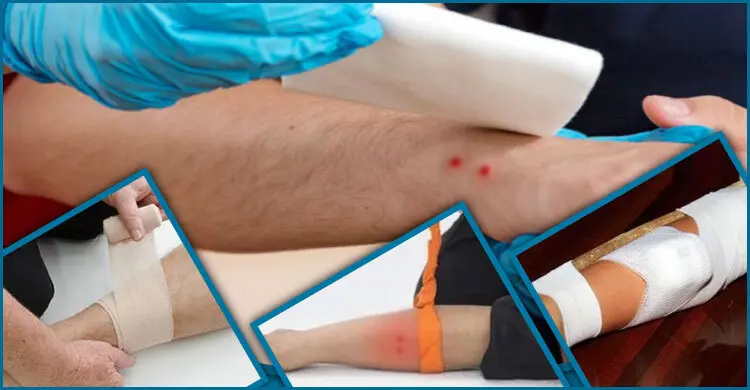
Snakes become more common in the monsoon. With more water all around, they move to higher ground, closer to where people live, and bites happen. So it is good to know in advance what to do if a snake bites.
- Please do not panic. Most snakes are non-venomous.
- Keep the bitten limb (arm, leg or other part) at rest.
- If bitten on the leg, sit down and do not walk. If bitten on the arm, do not move it.
- Splint the limb with wood and bandage, as you would a broken bone.
- Never tie a knot on the bitten limb.
- Seek advice from the nearest hospital or doctor immediately.
- Get to hospital quickly, using a motorcycle or an ambulance.
- Do not cut the bite site, prick it with a needle or apply any kind of paste to it.
- Do not waste time on treatment by an ojha or baidya (faith healer) or on ritual healing.
Information in this article is from the Health Education Bureau, Directorate General of Health Services.
Source: Jagonews24. First published in Bengali on The Agro News.
Comments
(0)