
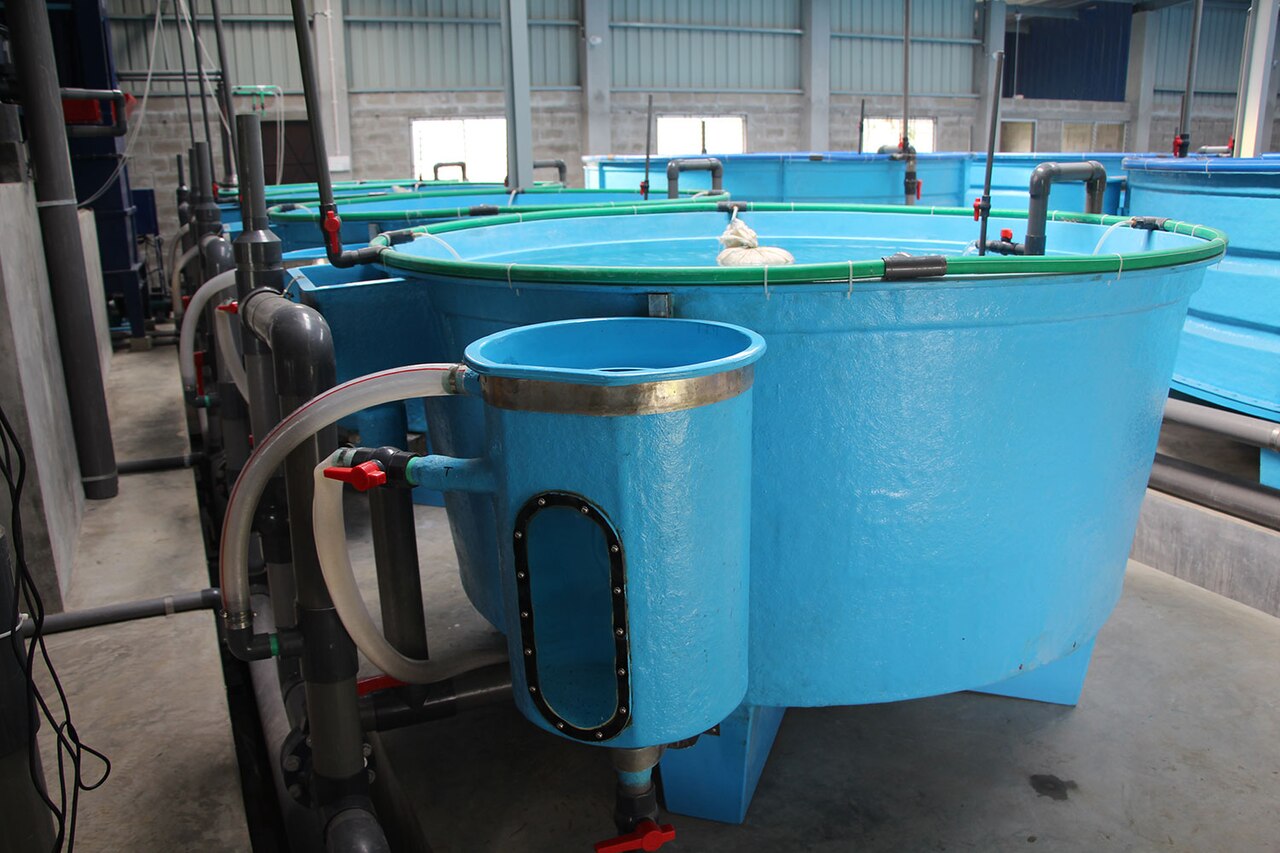
Bangladesh is a land of rivers, and fish farming feeds both its economy and its people. But the old ways of farming fish run into the same problems everywhere — water that turns bad unseen, feed wasted, disease noticed too late. A young Bangladeshi has built a smart system to solve them.
How it works
- Smart pond management: sensors read pH, oxygen, temperature and ammonia; a phone app shows the data in real time and sends an alert the moment something goes wrong.
- Automatic feeding: the right ration at the right time, without waste.
- Apps and analytics: the farmer tracks growth, market demand and profit, and plans sales.
- Remote control: ponds and tanks are watched and adjusted from a phone or computer.
- Drones: water condition and fish behaviour surveyed from above; damage and disease spotted early.
- AI and machine learning: production forecasts and market predictions that help the farmer decide when to stock and when to sell.
What it delivers
Productivity rises by 25–30 per cent, because fish grow faster and healthier. Feed, labour and water costs fall. Pollution from the pond drops. And a farmer with a problem gets an answer on the phone instead of losing the crop.
The opportunity
Smart, traceable, low-pollution fish is what export markets increasingly ask for. Innovations like this one can take Bangladesh's fish farmers there.
Photo: A recirculating-aquaculture tank at a fish lab in Dhaka — Jmadhikary / Wikimedia Commons (CC BY-SA 4.0)
Comments
(0)