
Banwol and Bakji, two small islands in Sinan County, South Jeolla province, South Korea, are now known as Purple Island. The roofs of about 400 buildings, and the roads, phone booths, signboards and benches, are painted in shades of purple and lilac. A long wooden bridge links the islands to the larger island of Anjwado.
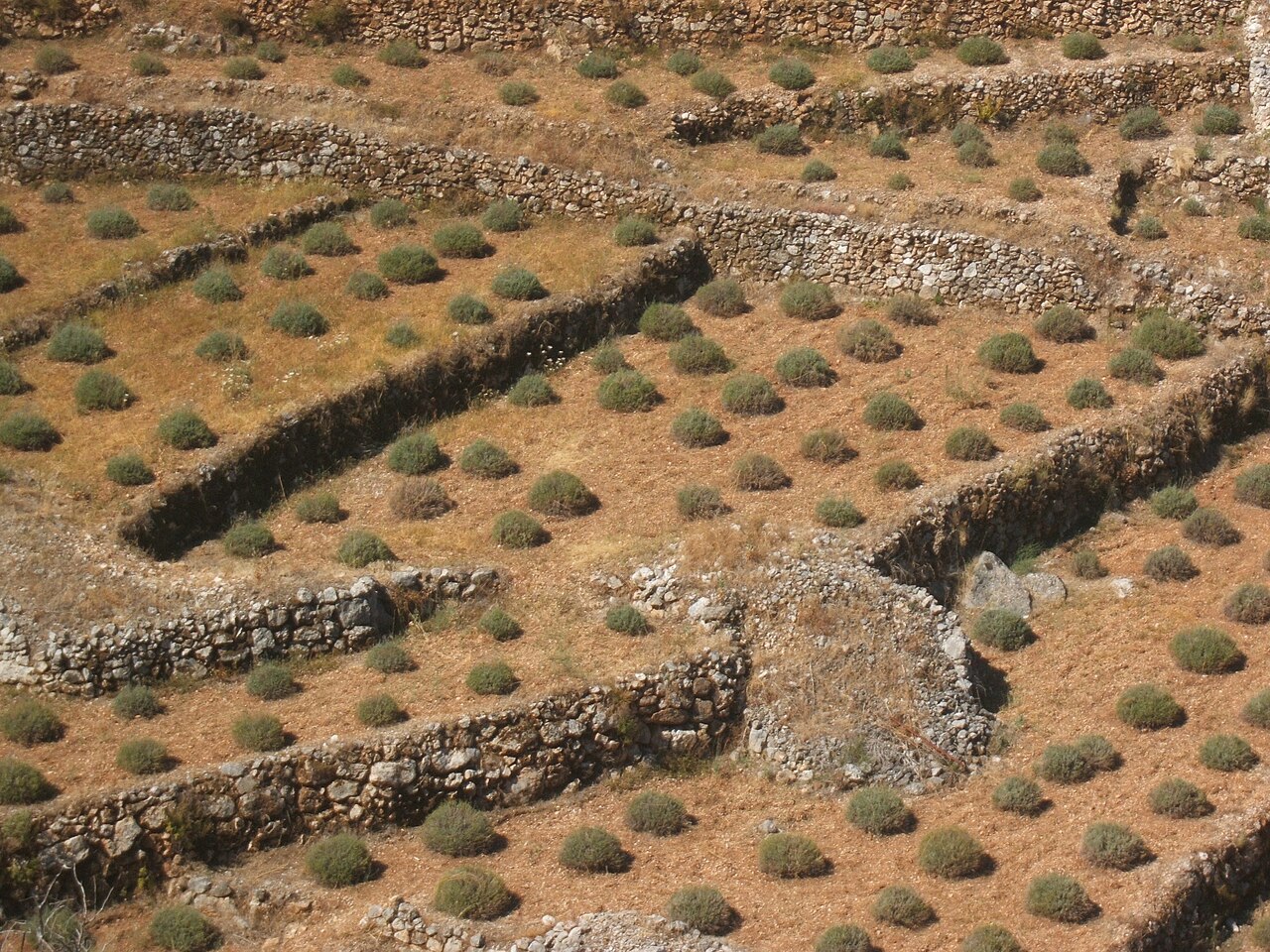
The colour was inspired by the islands' own flowers and crops: locally grown purple bellflowers, and purple crops such as aubergine and kohlrabi. Lavender fills the fields in spring and purple asters in autumn.
Behind the colour is a story of revival. Facing an ageing population and depopulation, residents and the local government decided to make the islands attractive. They planted 30,000 asters and lavender across 21,500 square metres. In recognition, the UN Tourism organisation named it one of the world's best tourism villages in 2021.
The centrepiece is the Purple Bridge, a wooden footbridge about 1.5 kilometres long joining Banwol and Bakji; water flows under it at high tide and wide mudflats appear at low tide. Visitors wearing purple clothing or accessories get in free, and there are cafes, traditional restaurants, bicycle hire and small hotels. It takes about six hours by bus or car from Seoul.
Reported by Ajker Patrika's features desk, based on VnExpress and The Korea Post.
Photo: Lavender field on Hvar, Croatia (illustrative), F.G. comm / Wikimedia Commons (CC BY-SA 3.0)
Source: Ajker Patrika
Comments
(0)