
Using farm data does not need costly digital platforms, says Stefan Corbett, a data analytics specialist at Agritistics in South Africa. It needs consistent, reliable tracking of basic farm activities, he told Lisakanya Venna of Food For Mzansi.
Most farmers already collect far more data than they realise, in daily logs, weather records, bank notifications and messages, Corbett said. Data becomes useful only when it is linked to production results. "Information is something that I can act on. Data is a mere recording of what happened," he said. Linking where an animal was, what was changed and how it responded a month later shows whether a management decision or an input made a difference.
Instead of recording everything, he advises focusing on a few simple, high-value measures. The common mistake is inconsistency: weighing livestock before feeding one week and after feeding the next skews the figures. Farms should set standard procedures for how each measure is taken, especially when several people record it. "All data works on the basic principle of garbage in, garbage out," Corbett said.
Small and medium farms do not need to jump to complex software. Notebooks, WhatsApp messages or a basic Excel spreadsheet give a permanent record that builds credibility and shows trends over time. "A blunt pencil is still better than a sharp mind," he said. "Anything that is recorded is worth a lot more than what we try to remember."
His advice for starting: pick one easy measure, such as each animal's weight on a set date or the daily rainfall, and add more as the habit grows.
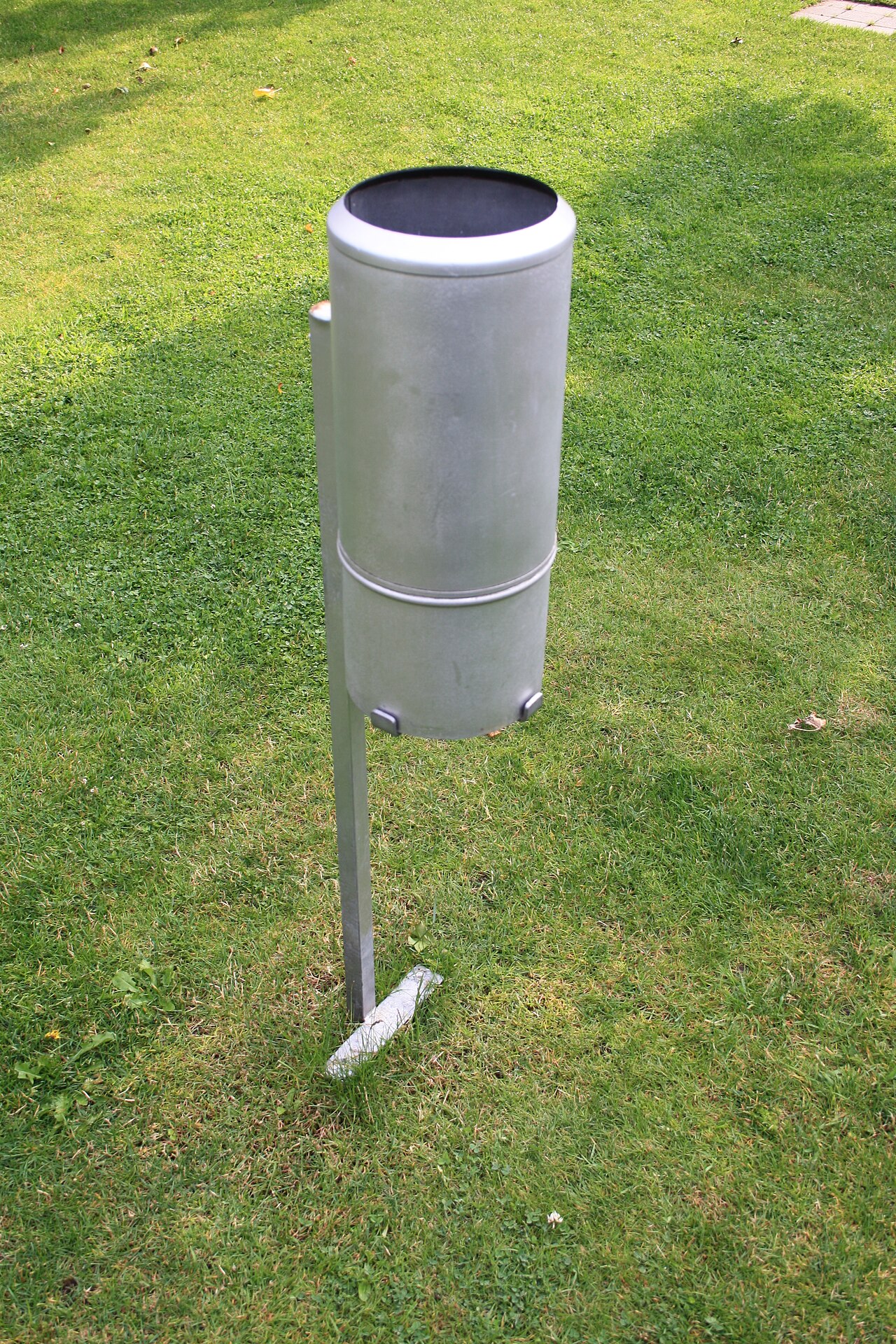
Photo: Bocholter / Wikimedia Commons (public domain)
Source: Food for Mzansi
Comments
(0)