
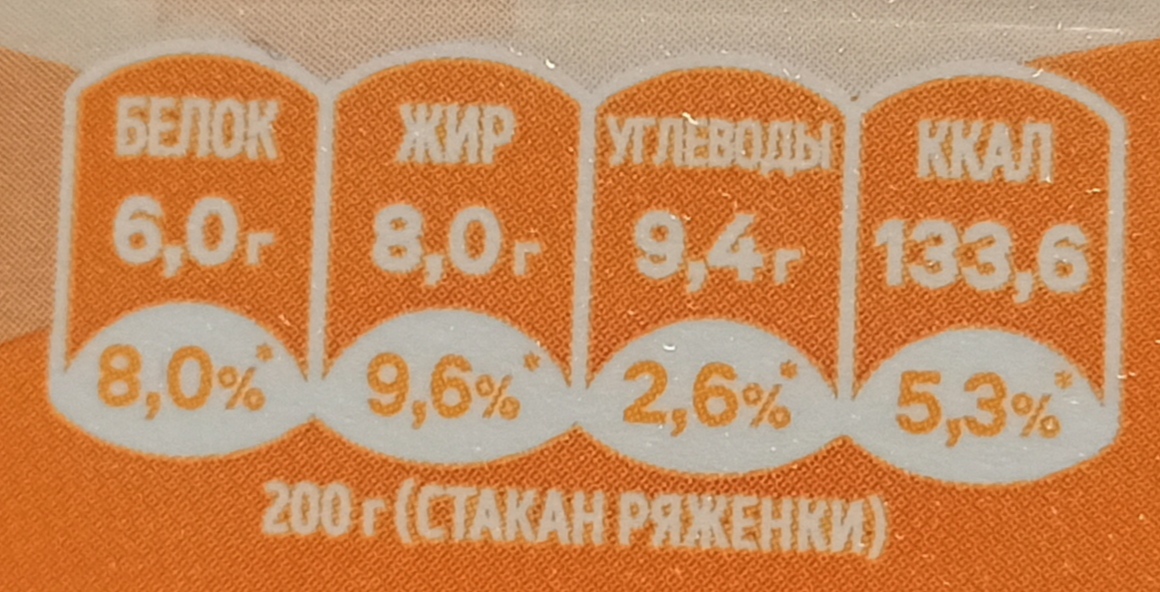
Demand for protein-enriched foods is booming in the United States, from protein water and ice cream to boxed macaroni and cheese, but shoppers are growing more sceptical of the claims on the packet, according to Reuters interviews with consumers and company executives carried by The Cattle Site.
Part of the boom comes from GLP-1 weight-loss drugs such as Ozempic and Mounjaro, which can cause muscle loss. Users told an August survey by Boston Consulting Group that they would spend 11 percent more on high-protein foods than before starting the drugs. Researcher Circana reported in August that around 48 percent of US adults want to add protein to their diets, up 7 points on last year.
Scrutiny is rising at the same time. A NielsenIQ report this year said 25 percent of respondents use scanning apps to check nutritional value, up from around 17 percent last year, and that a third of more than 1,000 respondents think the food industry is overhyping protein. "Protein is no longer a differentiator," said Chris Costagli, a lead marketing researcher at NielsenIQ who co-wrote the report.
Reuters found several brands that state protein content on a larger serving than their regular version of the same product. General Mills' Nature Valley protein granola advertises 13 grams of protein on a 2/3-cup (65-gram) serving, against a 1/4-cup (27-gram) serving for the ordinary granola; the company said the protein version can be eaten as a snack or as a fuller cereal meal. Jonathan Bonnet, a Stanford professor and chief medical officer at the Ardmore Institute of Health, said the product's protein-to-calorie ratio indicates a very low amount of protein overall.
Danone, which has sued rival Chobani over protein claims on labels (Chobani says its labelling is accurate), said consumers are starting to look beyond the gram at protein source and nutrient density. Hormel said it avoids additives such as whey or pea powder to raise protein in its products.
Dana Hunnes, a professor and clinical dietitian at UCLA, said the average person does not need as much protein as marketing suggests, and that some protein-marketed products contain too many processed ingredients to count as healthy. "Just because it has protein doesn't mean it's something you should eat," she said.
For livestock and dairy producers, the protein trend is a source of demand; the label debate is a reminder that buyers increasingly want to know where that protein comes from and what comes with it.
Photo: Sokolikmawwer0 / Wikimedia Commons (CC BY-SA 3.0)
Source: The Cattle Site


Comments
(0)