
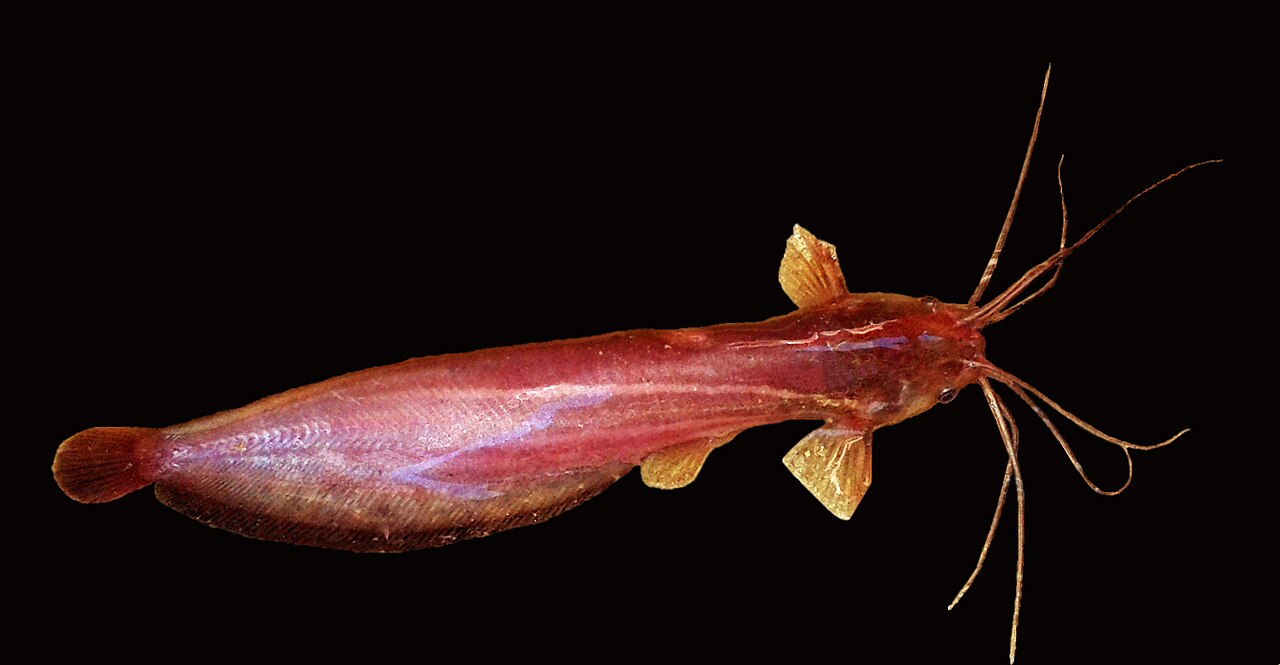
Shing — the stinging catfish — is the fish the sick are fed and the healthy ask for, and the market never has enough of it. Once abundant in every canal and beel, it is now a profitable pond crop.
Why shing
High market price, culture in ditches, abandoned ponds and small planned ponds, less feed than other fish, and a nutritious flesh.
The pond
Flood-free, with strong banks and no holes; 30–50 decimals is ideal, though an acre works. Dry it, sun the bottom, lime it and fertilise so natural food grows.
Stocking
Two-inch fry from a good hatchery — fry production is now widespread — at 500–1,000 per decimal in monoculture. Keep the water in good condition before and after stocking.
Feed
Shing eats the pond's bottom fauna, but profit needs a quality supplementary feed of at least 32 per cent protein, given morning and evening.
Time and season
With good fry, balanced feed and sound management each fish reaches 60–70 g in six to seven months. Start in April–May, or from late February with fry nursed over from the previous year.
Water and care
Shing needs little water: 2–2.5 ft during nursing, 3–3.5 ft after. Cotton-like white patches on skin or mouth are the fungus Saprolegnia — treat the pond promptly with the recommended dose.
Harvest by draining or netting when the fish reach size; the price does the rest.
Photo: Shing, the stinging catfish (Heteropneustes fossilis) — দিব্য দত্ত (Dibya Dutta) / Wikimedia Commons (CC BY-SA 4.0)
Comments
(0)