
Bangladesh's Ministry of Fisheries and Livestock said on 1 October that sonar use on all commercial fishing trawlers would be suspended for two years to secure a satisfactory fish stock. Vessels fishing tuna and similar species beyond 200 metres of depth and in international waters are exempt. A review by the Marine Fisheries Survey Management Unit says the technology has raised the risk of overfishing.
Sonar locates objects under water with sound waves. Active sonar sends out a pulse and listens for the echo, while passive sonar picks up the source of any sound. It shows fish moving below the boat, so a crew knows where to set its nets before it casts them.
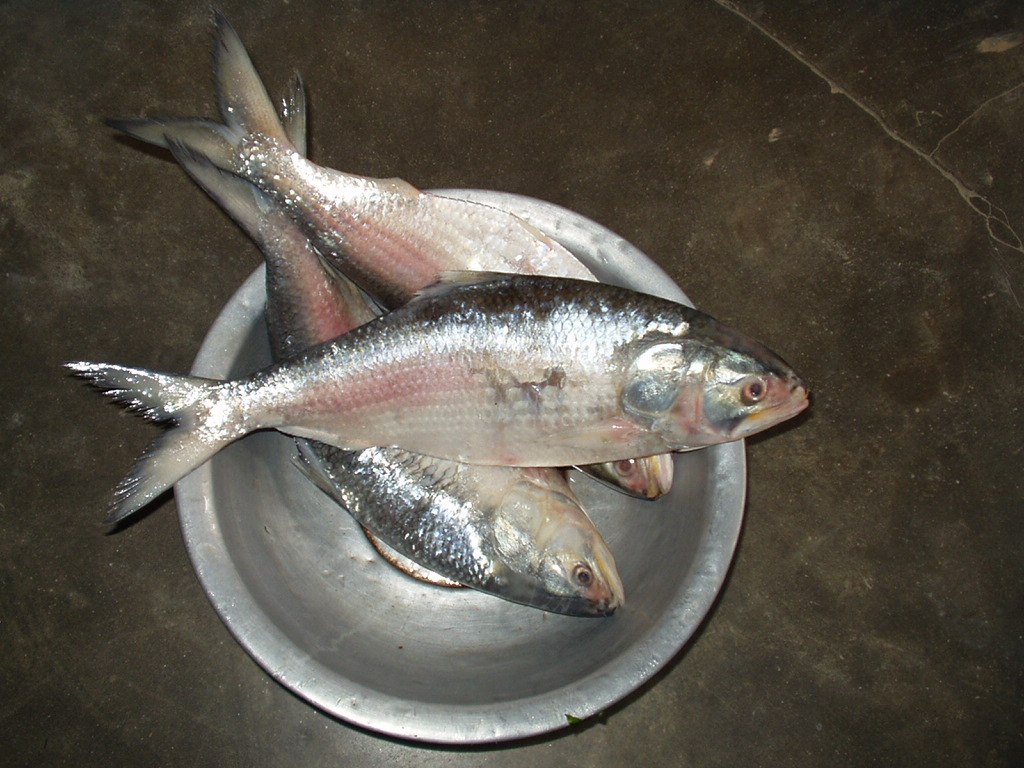
According to the review, trawler catches have grown while natural stocks of hilsa and other species are falling alarmingly. Targeted fishing is taking breeding fish and juvenile hilsa in large numbers. Small-scale fishers are not getting the catches they expect, and the added underwater noise disrupts the normal movement of marine life.
Survey unit figures show sonar was first approved on four trawlers in 2007, with 16 approved in 2020 and 21 in 2021-24. About 70 commercial vessels now use it. Bangladesh has 29,679 registered mechanised and artisanal boats and 202 commercial fishing vessels.
The review recommends limiting sonar to a range of 2,000 metres and frequencies of 50-200 kHz, ending 360-degree scanning, keeping vessel monitoring and automatic identification systems running on every sonar trawler, setting catch quotas per trawler, issuing no new sonar licences, and banning sonar fishing in water shallower than 40 metres.
Md Nazrul Islam, marine director at the Chattogram marine fisheries office, told Banglanews24 that unregulated sonar has become an obstacle to fish growth. The suspension order exists and a Department of Fisheries meeting on 18 October stressed monitoring, he said, but his office has not yet received instructions and will begin supervision once it does.
Reported by Tapan Chakraborty in Chattogram.
Source: Banglanews24

Comments
(0)