
Jahangir Alam of Balia village in Phulpur upazila, Mymensingh, took up fish farming about 25 years ago. He was then in the family sanitary goods business, and the fish farmers who came to his shop persuaded him there was money in ponds. Over four decades much of the area's rice and jute land has become fish ponds.
He sold his wife's jewellery, leased five acres and dug ponds. An investment of Tk 5 lakh brought fish sales of Tk 9.5 lakh in the first year, a net profit by his reckoning of Tk 4.5 lakh. He began with koi and tilapia, then built his own hatchery to depend less on bought-in fry.
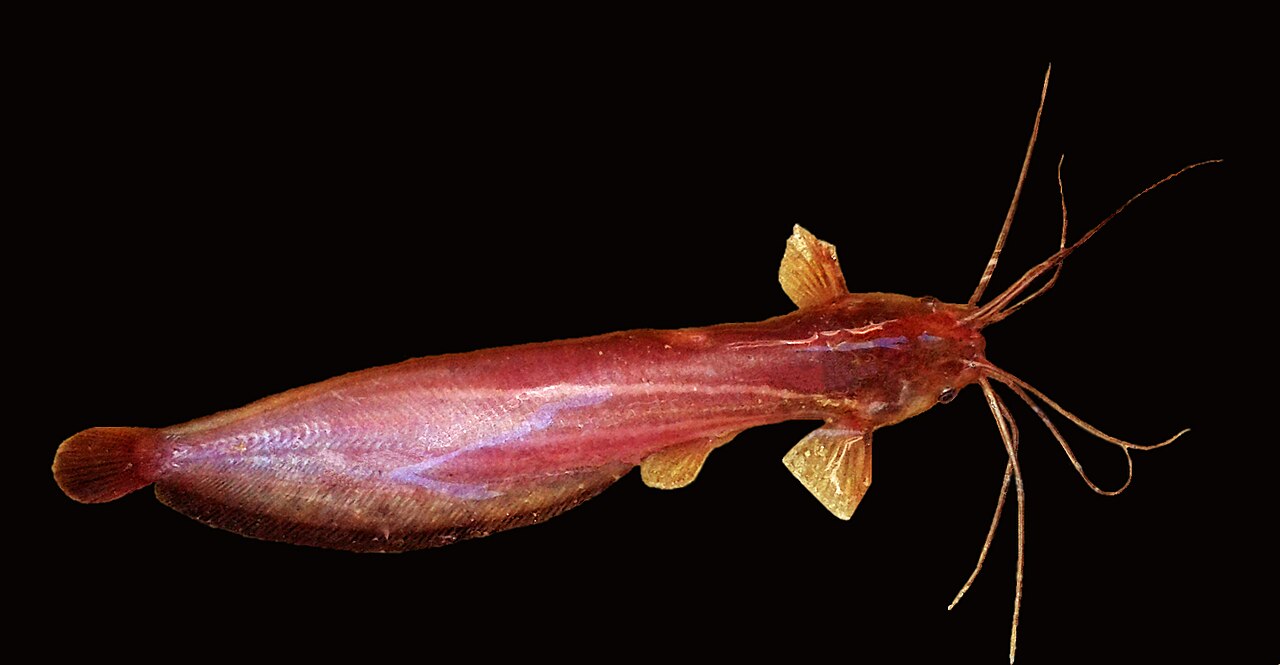
The farm that began with seven ponds now has more than 50 and employs about 30 people. He has received a national gold medal for his work on the artificial breeding and spread of the native shing catfish.
One spell of heavy rain drowned his ponds and, he says, washed away about Tk 70 lakh of fish in a single night. He sold his wife's jewellery again to start over. What worries him now is the cost of feed, fry, medicine and labour, along with excess rain, floods, temperature shifts and falling water quality.
According to the Department of Fisheries yearbook for 2024-25, Bangladesh produced about 51.11 lakh tonnes of fish that year. Of that, 31.04 lakh tonnes, about 61 percent, came from closed inland waters such as ponds.
Regular checks of water temperature and oxygen can give early warning of many problems. But systems such as RAS and biofloc need investment, skill and electricity, so the cost has to be weighed first. Jahangir grows papaya, banana and vegetables on his pond banks, and that income helps meet the cost of the fish.
Writing about the farm, Shykh Seraj, director and head of news at Channel i, says fish farmers need timely forecasts and advice, training in climate-resilient pond management, water testing, and access to good fry and feed.
Photo: দিব্য দত্ত (Dibya Dutta) / Wikimedia Commons (CC BY-SA 4.0)
Source: Agri Barta


Comments
(0)