
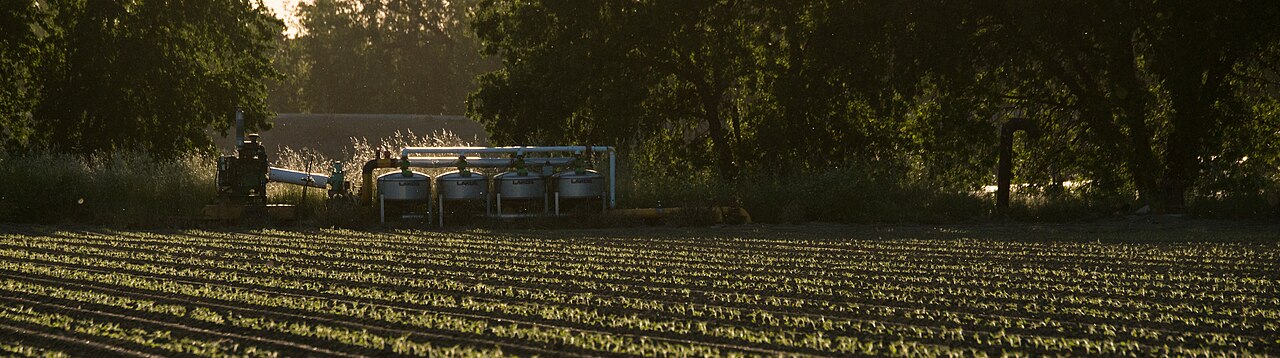
Precision agriculture reduced water use in tomato and table-grape production by up to 15% without sacrificing productivity, and improved both yields and fruit quality, according to a study published in the journal Plants, People, Planet.
Researchers compared fields managed conventionally with fields using a sensor-based irrigation system that measured field conditions to determine exactly when the crops needed water, avoiding over-watering.
They also used drone-supported monitoring and non-destructive methods to evaluate fruit quality in the field, letting growers check crops without removing or damaging produce and skipping slow laboratory analyses.
"Precision farming technologies prove that saving water and improving crop quality can go hand in hand. By using sensors to shield plants from weather stress, we made their growth more stable," said the corresponding author, Giuseppe Ferrara, a professor at the University of Bari Aldo Moro.
Crops under precision management grew more steadily because the technology reduced stress from changing weather, which the researchers say matters as drought, extreme heat and water shortages increasingly affect farming regions.
Photo: Lance Cheung, USDA / Wikimedia Commons (Public domain)
Source: Farms.com
Comments
(0)