
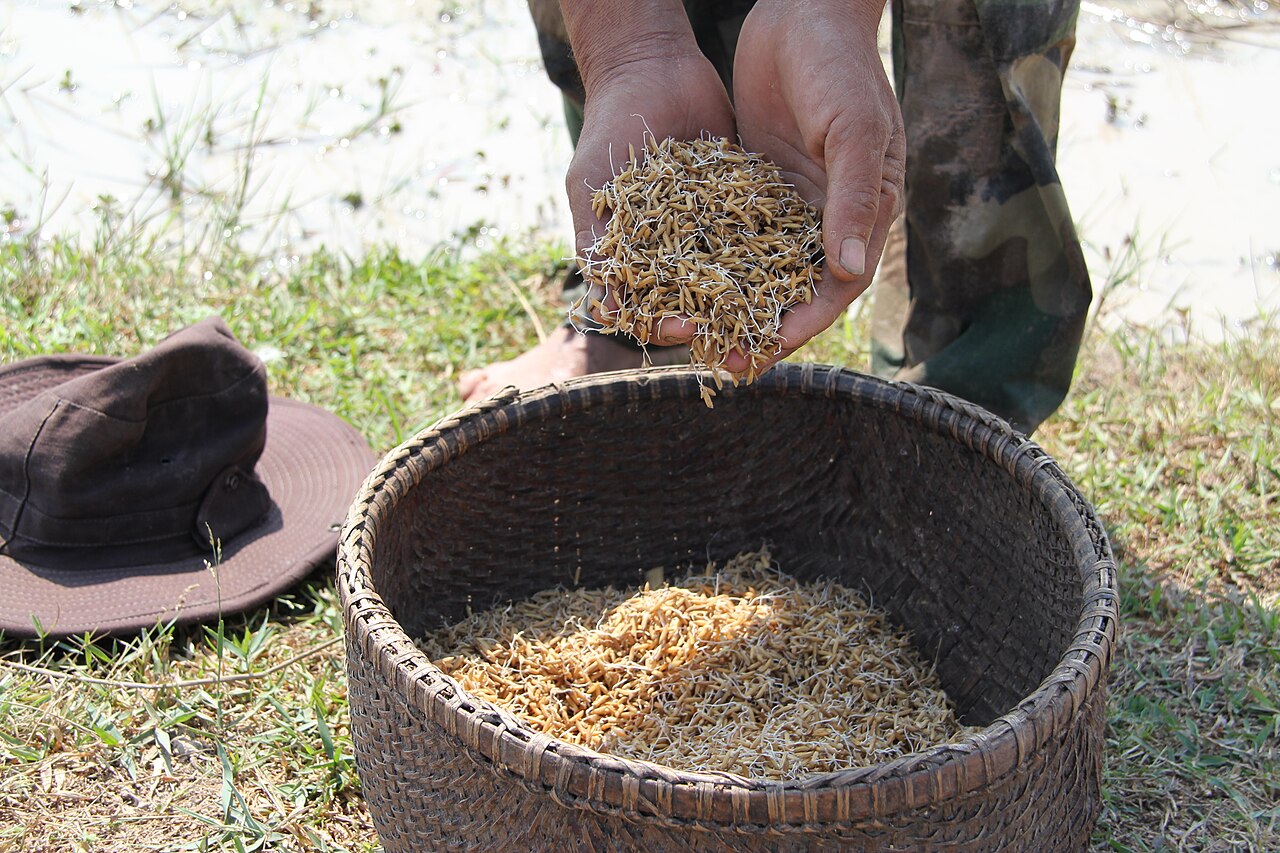
Seeds have long been seen as a plant embryo, its food store and a structure for reproduction. Modern research shows they also carry a community of bacteria, fungi and other microorganisms on their surface and in their tissues, known as the seed microbiome. An essay published on Biggani.org says these microbes may influence germination, seedling vigour, nutrient uptake, disease resistance and tolerance of harsh conditions.
The problem is that standard seed-quality tests measure germination rate, vigour, moisture, purity and seedling growth, and cannot show the diversity or function of the microbes a seed carries. The essay therefore proposes the seed microbiome as a possible new biological indicator of seed quality.
How can it be measured? Techniques such as DNA sequencing, 16S rRNA sequencing, ITS sequencing and metagenomics can now identify the microbes associated with seeds, while hyperspectral imaging, digital phenotyping and artificial intelligence make it possible to analyse links between a seed's microbes, its physiology and its future performance.
The essay divides seed microbes into two groups: epiphytes on the outer surface, whose presence can depend on soil, environment, the surfaces of flowers and plants, and how seed is harvested, processed, stored and transported; and endophytes inside the seed's tissues. Drawing on a 2023 study by War and colleagues, it shows the ways the microbiome may help protect seedling health.
For farmers the stakes are direct: good seed germinates quickly and evenly, produces strong seedlings and establishes well even in poor conditions, so seed quality is tied to yield and income. As the essay puts it, the question used to be 'what percentage of this seed will germinate?'; the question in future will be 'which microbes does this seed carry, and how do they affect germination and seedling growth?'
The essay also outlines a possible framework combining the seed microbiome, hyperspectral imaging, digital phenotyping and AI into precise, predictive seed technology.
Photo: Department of Foreign Affairs and Trade / Wikimedia Commons (CC BY 2.0)
Source: Biggani.org

Comments
(0)