
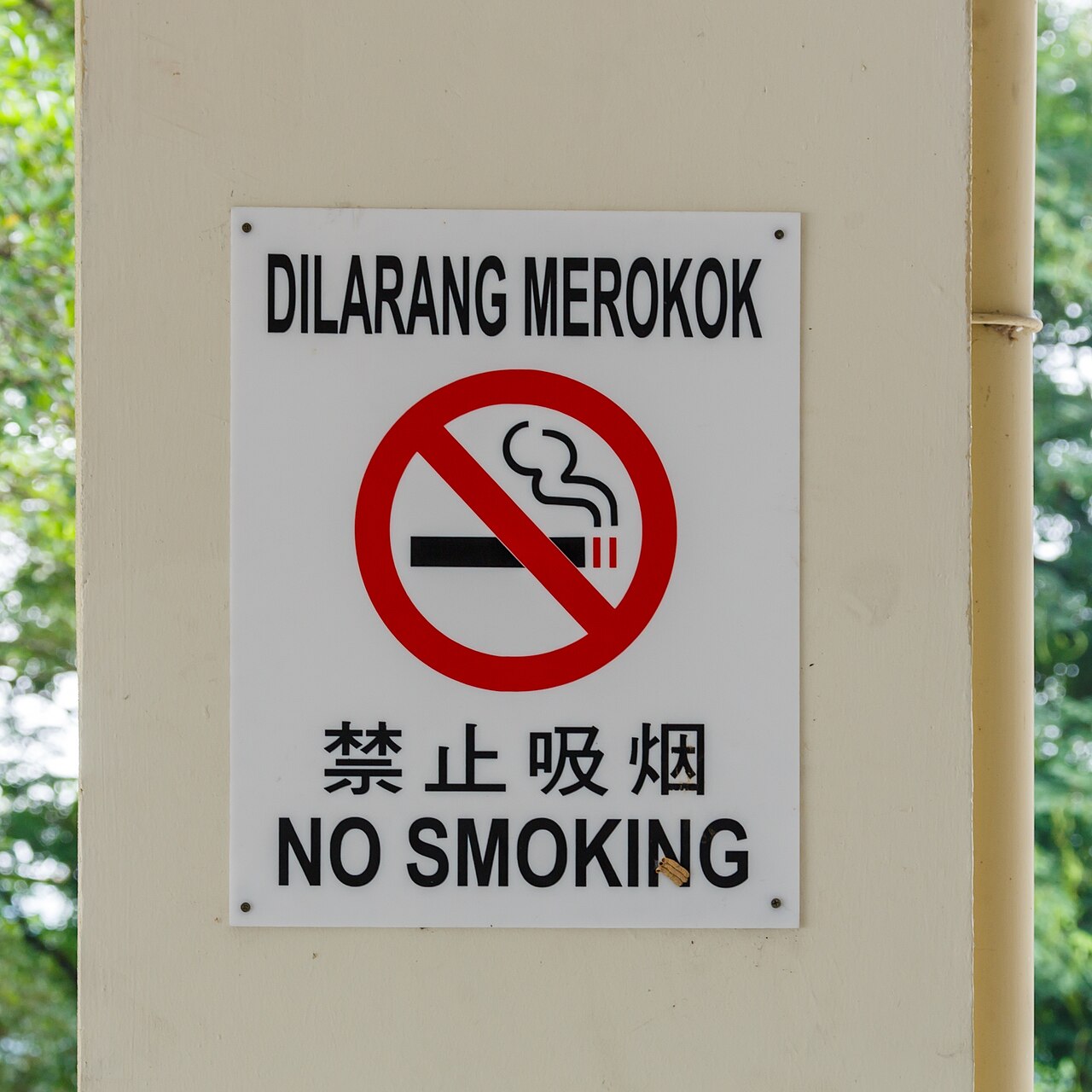
When someone else's cigarette smoke drifts over at a bus stop, a coffee house or on a morning walk, many people think, 'I'm not smoking.' In a column in Kolkata's Sangbad Pratidin, essayist Aditya Ghosh writes that the harm is already done, because this is passive or secondhand smoking.
He cites estimates from a recent study: in 2023 about 444 million people in India were exposed to others' tobacco smoke, and an estimated 325,000 died of diseases linked to secondhand smoke that year. The exposure rate has fallen since 1990, but with population growth the total number exposed has risen. By the same estimates, about 2.71 billion people worldwide were exposed in 2023, some 767 million of them children, and about 1.66 million died.
Part of a cigarette's smoke goes straight into the surrounding air and into the lungs of whoever is nearby, he explains. It carries nicotine, carbon monoxide and many harmful chemicals, some known to cause cancer, and regular exposure can damage the lungs and raise the risk of heart disease, stroke and respiratory illness.
In his view, no-smoking areas must be clearly marked, monitoring stepped up and violations punished quickly. A single cigarette at a bus stop, a railway station or a park may be reaching the lungs of a child, a pregnant woman or a heart patient, he writes, so smoking in public places can no longer be dismissed as a petty offence.
The views in this column are the writer's own.
Photo: CEphoto, Uwe Aranas / Wikimedia Commons (CC BY-SA 3.0)
Source: Sangbad Pratidin


Comments
(0)