
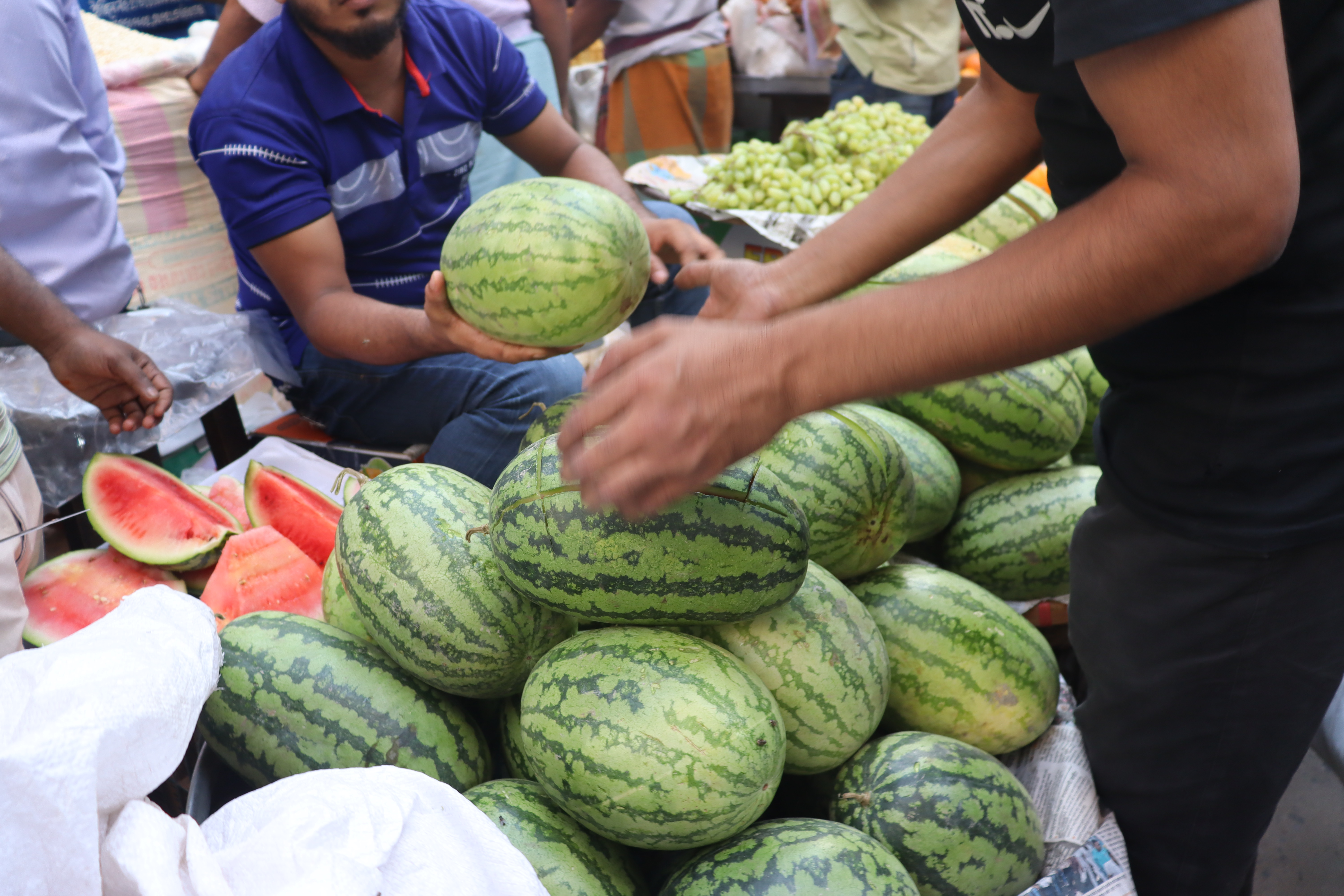
On 17 February 2026, as Muslims in Bangladesh prepared for Ramadan, the lifestyle section of Jagonews24 published a guide to the seasonal fruits best suited to iftar, the meal that breaks the day's fast at sunset. Its answer to the question of what to eat after a long day on an empty stomach was the one nutritionists, it said, keep giving: put seasonal fruit on the plate, because it is fresh, rich in nutrients and easily taken up by the body. That same day Prothom Alo reported that astronomical forecasts placed the start of Ramadan on 18 or 19 February, with the first day depending on local moon sighting.
The report noted that spring had only just begun in Bangladesh, that some summer fruits had started to reach the markets and that many other seasonal fruits were on sale beside them. It named five choices: watermelon, banana, papaya, pineapple, and green coconut water with malta or oranges. This article sets out what the report recommended, checks each claim against Bangladesh's national food composition table and the guidance of health authorities, and adds the background a reader needs: where these fruits come from at that time of year, what they contain and which people should talk to a doctor before changing what they eat during the fast.
The five choices the report named
Jagonews24 gave a short reason for each fruit. Its list, with the points that the sources below confirm or qualify, was as follows.
- Watermelon: mostly water, so it helps restore fluid after a day without drinking; it also carries lycopene and vitamin C, which act as antioxidants. The report suggested one or two slices.
- Banana: cheap, easy to find and nutritious, with a high potassium content. The report suggested one medium banana for quick energy.
- Papaya: a light, easily digested fruit containing a digestive enzyme, comfortable for the stomach after a day without food.
- Pineapple: rich in vitamin C and the enzyme bromelain, but the report warned that eating too much can raise acidity in some people.
- Green coconut water and malta or oranges: coconut water supplies natural electrolytes, and malta and oranges are good sources of vitamin C.
The report added that seasonal fruit is usually fresher, needs less storage and keeps its nutritional value comparatively well, and that it combines natural sugars, fibre, vitamins and minerals. It advised starting iftar with fruit instead of fried food.
Bangladesh's fruit calendar in late winter
Banglapedia, the national encyclopedia published by the Asiatic Society of Bangladesh, describes the country as abounding in tropical and subtropical fruits, with nine major and 48 minor fruits produced. Production is strongly seasonal. About 54 per cent of all fruit is harvested and marketed in the Bengali months of Baishakh, Jaistha, Ashar and Srabon, and May, June and July are treated as the fruit festival months when almost all major and minor fruits are ripe. The remaining 46 per cent comes in the other eight months. Banglapedia lists papaya and banana among the few fruits produced all year round, and records that coconut can be harvested throughout the year as well.
This explains the mix that Jagonews24 described in February. Banana, papaya and green coconut were available as they are in every month, while watermelon, which coastal farmers grow from November to March, was among the summer fruits the report saw starting to arrive. The oranges and malta on sale were mostly foreign. Prothom Alo reported on 11 February 2026 that Dhaka's Karwan Bazar was full of foreign oranges from China, Bhutan, India and Nepal, at Tk 180 to 350 a kilogram, and malta from Egypt, South Africa and China, at Tk 220 to 280 a kilogram. Fruit sellers there said they bought them from the Badamtoli wholesale fruit market.
Imports are a large part of Bangladesh's fruit supply. Prothom Alo reported in July 2024, from National Board of Revenue figures, that the country imported 589,000 tonnes of fruit in the 2023-24 financial year, and that apples, malta, oranges, grapes and pomegranates made up 95 per cent of it; malta imports alone were 173,000 tonnes that year. Consumption, meanwhile, is low. The Bangladesh Bureau of Statistics' Household Income and Expenditure Survey 2022 found that a person in Bangladesh ate on average 95.4 grams of fruit a day, as Prothom Alo reported in September 2025.
Watermelon: water, lycopene and the early coastal crop
The report's main reason for watermelon was water, and the national figures support it. The Food Composition Table for Bangladesh, compiled by the Institute of Nutrition and Food Science at the University of Dhaka with support from the Ministry of Food and the Food and Agriculture Organization (FAO) and published in 2013, gives ripe red watermelon 94.2 grams of water in every 100 grams of edible portion, more than the report's "about 90 per cent". The same 100 grams supply 22 kilocalories, 4.4 grams of available carbohydrate, 23.9 milligrams of vitamin C and 107 milligrams of potassium.
Lycopene, the red pigment in watermelon flesh, is a carotenoid with antioxidant properties. Researchers of the U.S. Department of Agriculture's Agricultural Research Service reported in the Journal of Agricultural and Food Chemistry in 2006 that watermelon contributes 8 to 20 milligrams of lycopene in a 180-gram serving. In a separate study of 50 commercial red-fleshed varieties published the same year, they found lycopene ranging from 33 to 100 milligrams per kilogram of fresh fruit, and noted that seedless types were more often in the high ranges. Lycopene levels therefore vary a good deal between varieties.
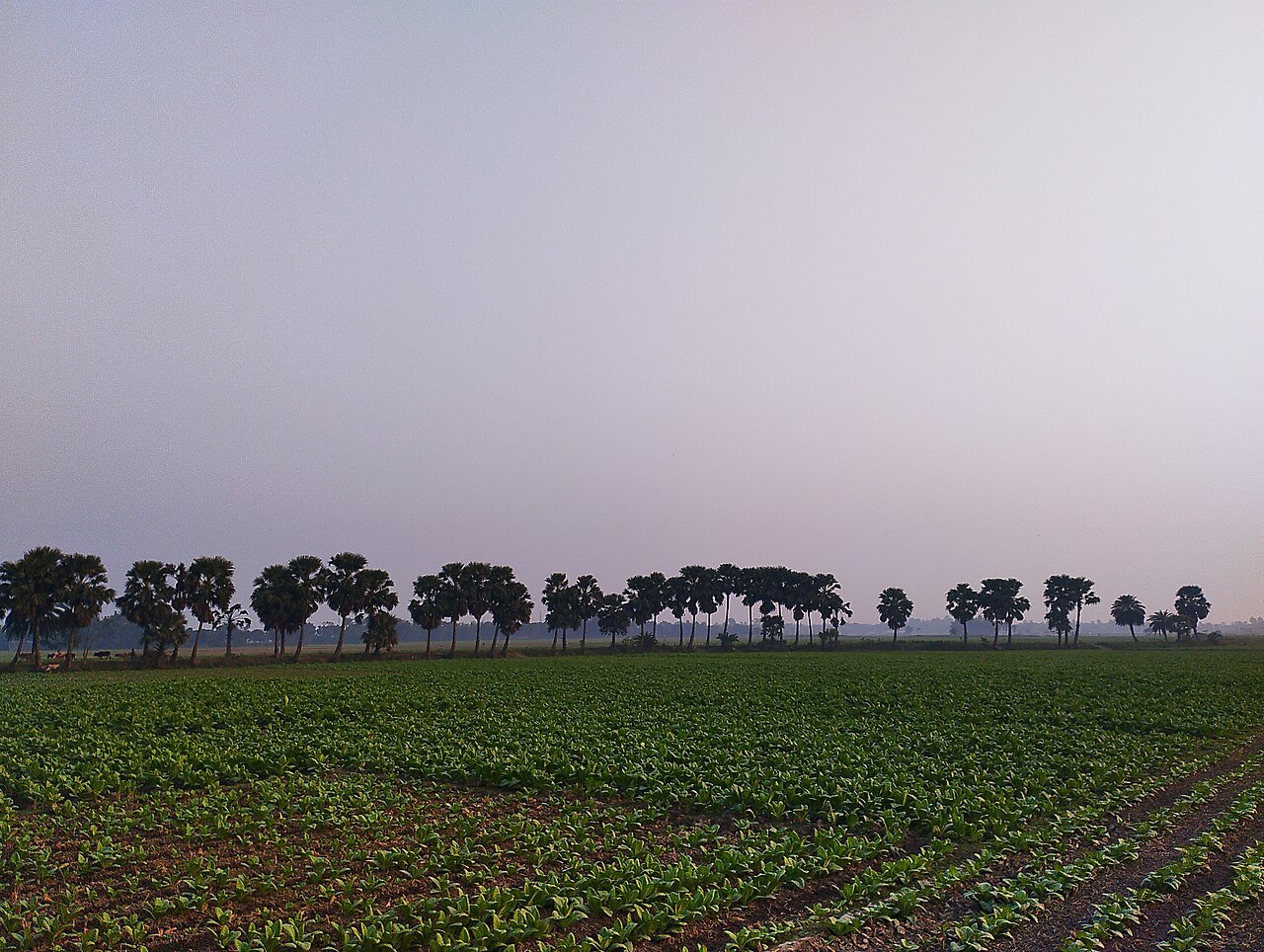
In Bangladesh, the first watermelons of the year come from the coastal chars of the south and south-east. Prothom Alo reported in February 2025 that farmers on the Patuakhali coast had turned to an early crop, raising seedlings in polythene bags and then planting them out, because the storms and hail of the Kalbaishakhi season damage watermelons still in the field. In January 2026 the paper reported that farmers from Subarnachar in Noakhali had begun sowing on about 6,000 acres of coastal chars in six unions of Mirsarai upazila in Chattogram, with about 7,000 farmers living in temporary shelters there; one farmer told the paper they cultivate watermelon from November to March. In Patuakhali, the district office of the Department of Agricultural Extension (DAE) told Prothom Alo in March 2025 that 28,500 hectares had been planted there that season, against 23,350 hectares the year before.
Banana: a year-round source of potassium
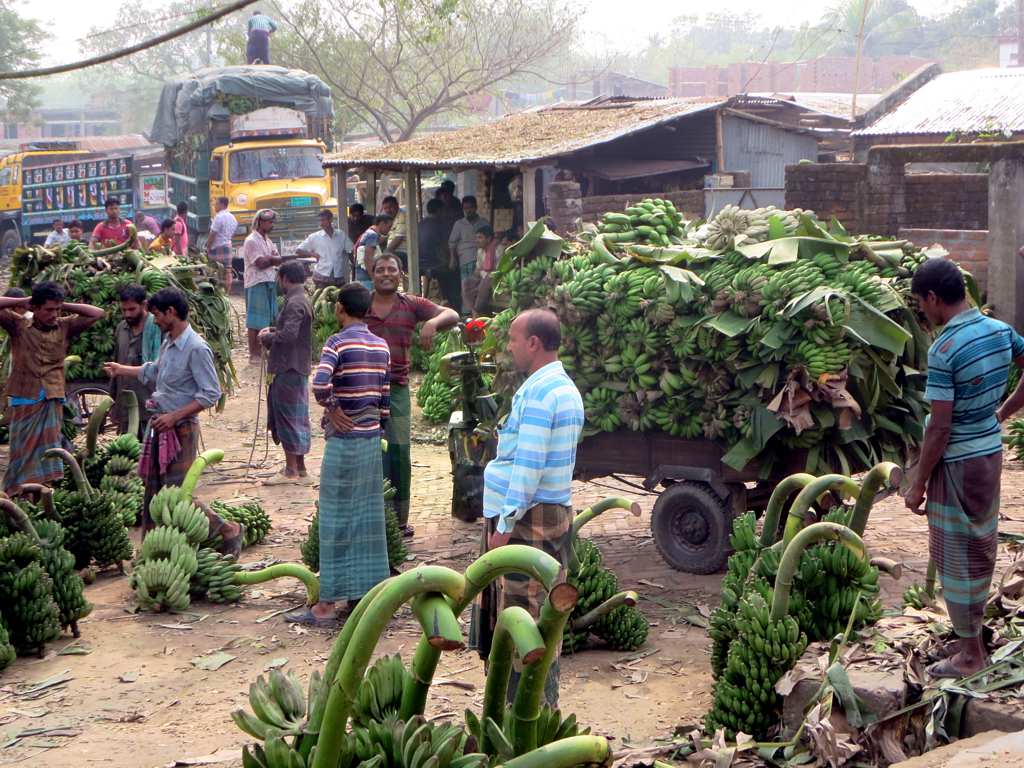
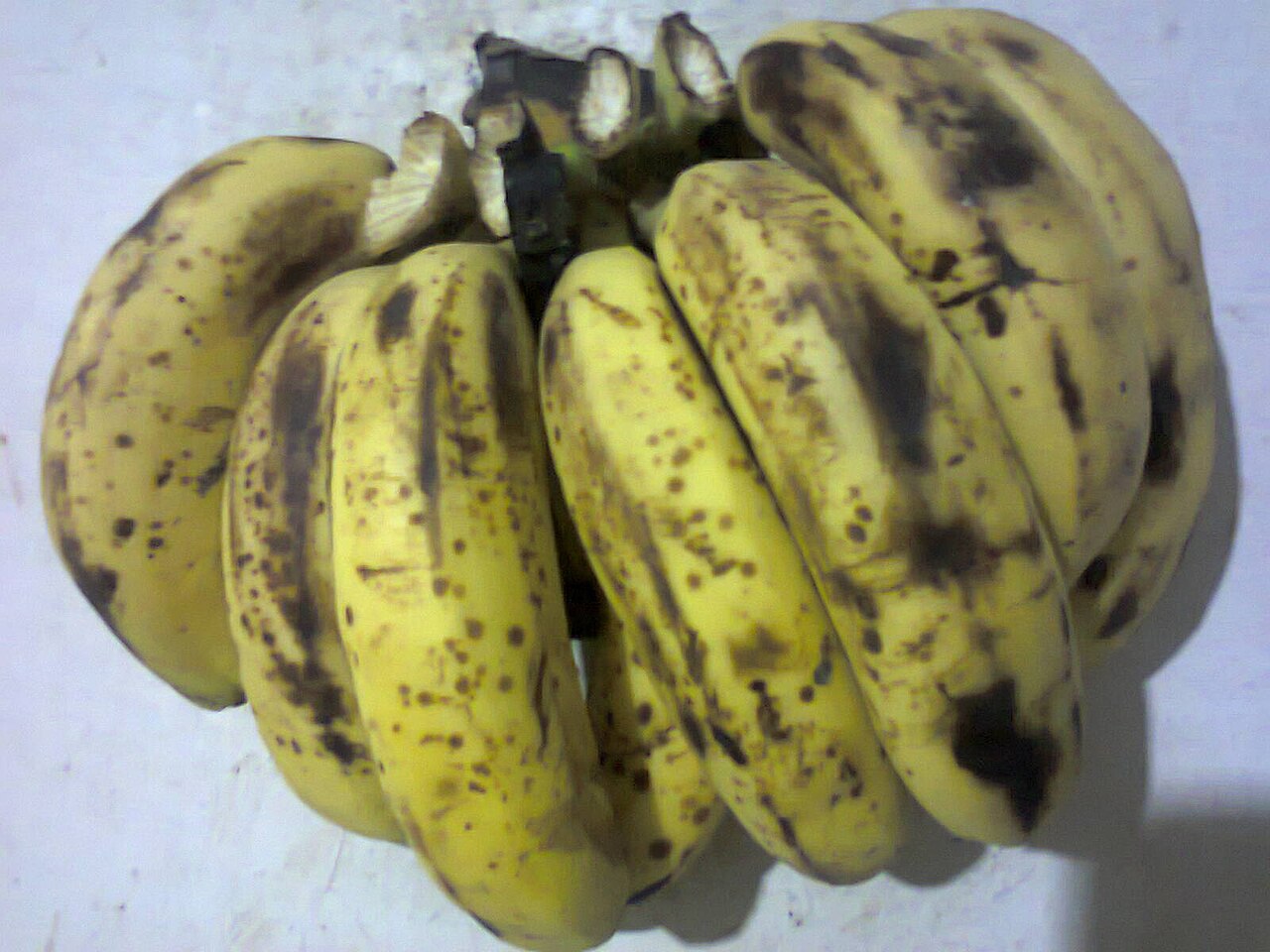
Banana is the fruit Bangladeshi families can buy in every month. Banglapedia records that the banana grows almost everywhere in the country throughout the year, with the main growing areas in Rangamati, Barishal, Rangpur, Dinajpur, Noakhali, Faridpur and Khulna, and popular local varieties known as Champa, Sabri, Singapuri and Mahersagar. In 2005-06, it notes, Bangladesh produced 909,060 tonnes of banana on 138,360 acres.
The national food table gives the ripe Sagar banana 95 kilocalories, 75.2 grams of water, 19.2 grams of available carbohydrate, 2.6 grams of dietary fibre and 411 milligrams of potassium per 100 grams. That is far more potassium than watermelon's 107 milligrams, and the carbohydrate supports the report's point that a banana gives energy at iftar.
Potassium is one of the body's electrolytes. MedlinePlus, the consumer health service of the U.S. National Library of Medicine, explains that the kidneys remove excess potassium to keep the balance right, and that a low blood level, called hypokalemia, can cause muscle weakness or spasms, tingling and a feeling of skipped heartbeats. Its common causes include diuretic medicines, diarrhoea and vomiting. The World Health Organization (WHO), in its healthy diet fact sheet of January 2026, says that potassium can mitigate the effect of high salt intake on blood pressure, that an adult intake of at least 3,510 milligrams a day may be beneficial, and that intake can be increased by eating fresh fruit and vegetables. The report's claim that banana "reduces muscle weakness" is better read in that sense: a potassium-rich food helps prevent a shortage, but muscle weakness has many causes and needs a doctor if it persists.
Papaya and pineapple: two fruits with protein-digesting enzymes
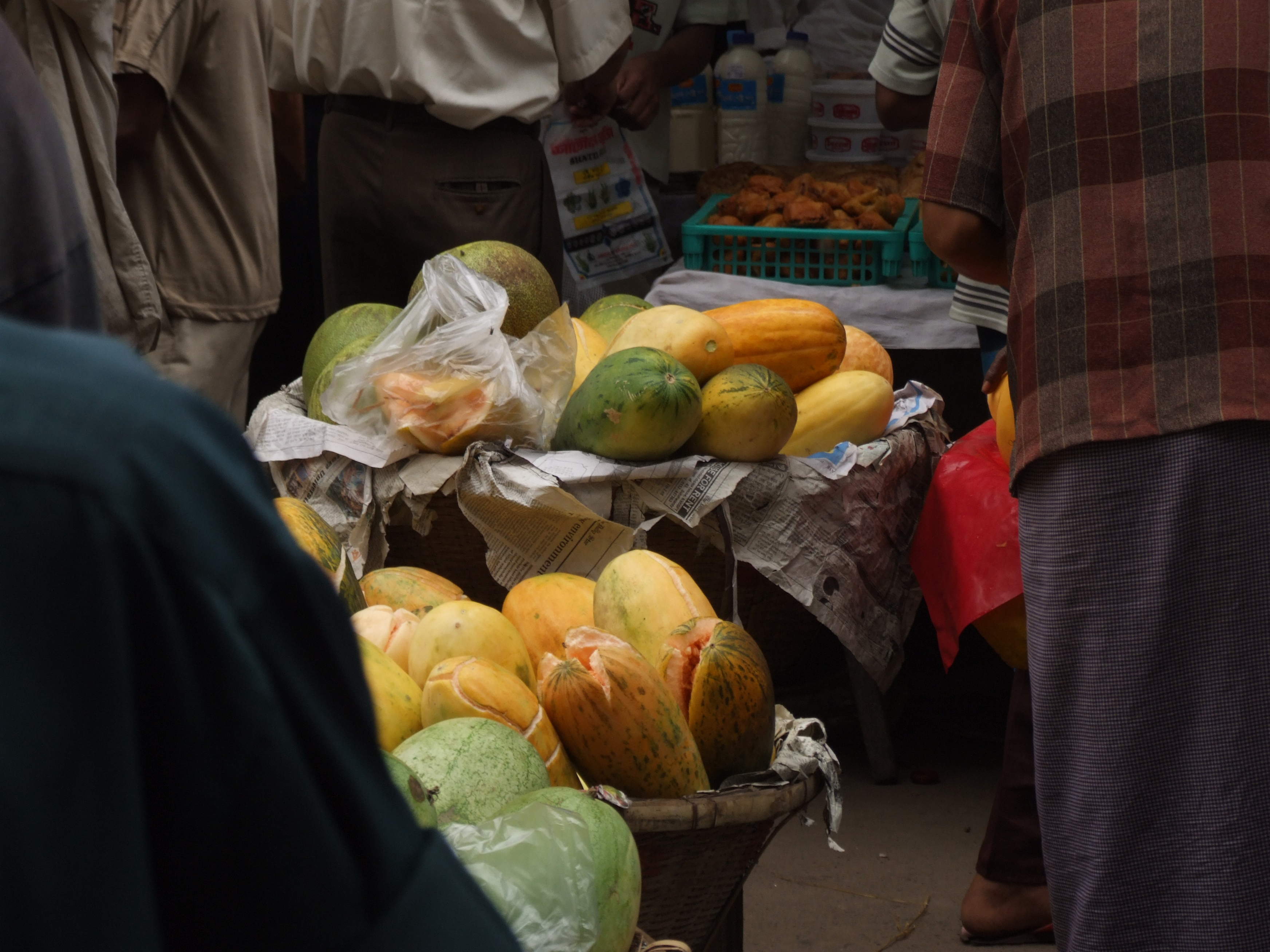
Papaya, Carica papaya, came to South Asia from Central America in the later 16th century, according to Banglapedia, which notes that the fruit juice contains the enzyme papain, somewhat similar to the stomach's pepsin and digestive in action. In Bangladesh more than 60 per cent of the papaya produced is eaten green as a vegetable. Ripe papaya, by the national table, has 90.5 grams of water, 33 kilocalories, 1.7 grams of fibre, 61.8 milligrams of vitamin C and 721 micrograms of beta-carotene equivalents per 100 grams, the highest vitamin C content, by the table's figures, of the fruits named in the report.
Pineapple, a native of Brazil, reached Bangladesh through Assam and Manipur and was first cultivated in Sylhet early in the 20th century, according to Banglapedia. It is now grown in almost every district, with the largest areas in Sylhet, Tangail, Dhaka and Rangamati, and the main varieties are Giant Kew and Honey Queen. The plant flowers from March to May and fruits from June to September. Banglapedia notes that the mature fruit contains about 14 per cent sugar, the protein-digesting enzyme bromelin and a good amount of citric and malic acid. The national table gives ripe pineapple 87.2 grams of water, 47 kilocalories, 33.9 milligrams of vitamin C and 175 milligrams of potassium per 100 grams.
The National Center for Complementary and Integrative Health (NCCIH), part of the U.S. National Institutes of Health, describes bromelain as a group of enzymes that break down proteins, found in the stem and fruit of the pineapple plant. Its review, last updated in November 2024, says that research on bromelain taken by mouth is limited, mostly involving supplements for sinusitis and swelling after wisdom tooth surgery, and that the most commonly reported side effects of those supplements were stomach upset and diarrhoea. Those findings concern supplements, not the fruit eaten at a meal; for the fruit itself, the report's caution that too much can raise acidity in some people is a reason to eat it in moderation.
Green coconut water and malta
Green coconut, or daab, is described by Banglapedia as a favourite summer drink; the coconut palm grows mainly in the southern and central parts of the country and the tender nuts are in great demand as a refreshing drink. The national food table gives coconut water 94.5 grams of water, 20 kilocalories, 3.2 grams of available carbohydrate, 260 milligrams of potassium, 96 milligrams of sodium and 25 milligrams of magnesium per 100 grams. Those minerals are electrolytes. MedlinePlus explains that the body loses electrolytes in sweat and must replace them through fluids that contain them, since plain water alone contains no significant amount.
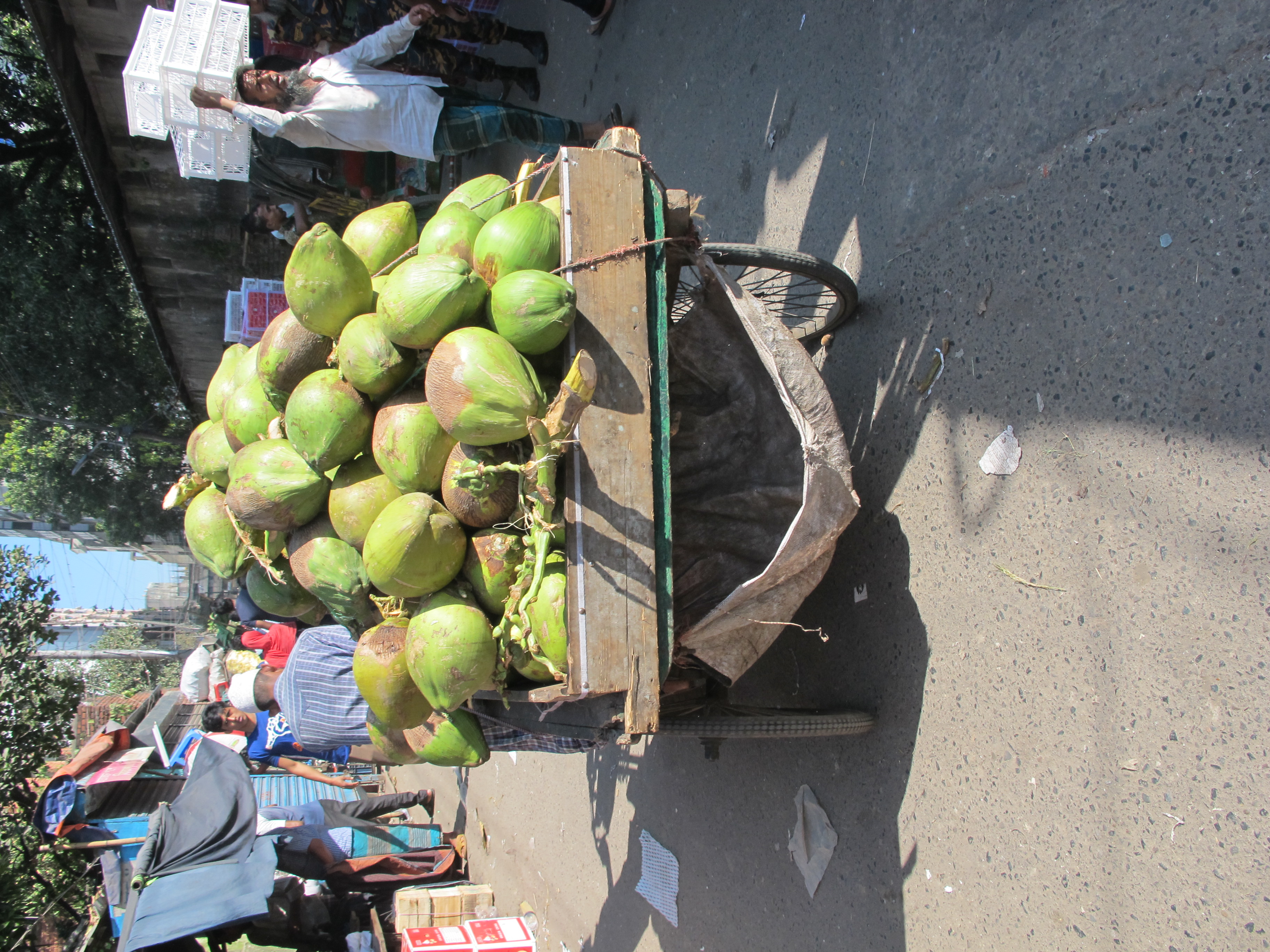
Coconut water has been tested as a rehydration drink. In a study published in the Journal of the International Society of Sports Nutrition in 2012, 12 exercise-trained men were dehydrated by an hour on a treadmill and then given bottled water, coconut water, coconut water from concentrate or a sports drink. All the drinks restored hydration, with little difference between them in fluid retention or in later exercise performance, in that sample of young, healthy men.
The national food table lists malta as sweet orange ("Orange, sweet, ripe, raw"): 86.3 grams of water, 49 kilocalories, 2.4 grams of fibre, 54 milligrams of vitamin C and 181 milligrams of potassium per 100 grams. The local orange, komola, also has 54 milligrams of vitamin C per 100 grams. The home-grown green malta comes mainly from the hills. Prothom Alo reported in December 2025, from DAE figures for that year, that 73,595 tonnes of malta were produced on 17,800 acres across the department's 14 agricultural regions, with the Rangamati region, made up of the three hill districts, producing 13,043 tonnes. Growers there said the trees flower in March and April and the fruit is picked in September and October; the hills grow mainly BARI Malta-1, a variety recognised through the Bangladesh Agricultural Research Institute and the DAE, and a Vietnamese variety. The malta Prothom Alo found in Karwan Bazar on 11 February was Egyptian, South African and Chinese.
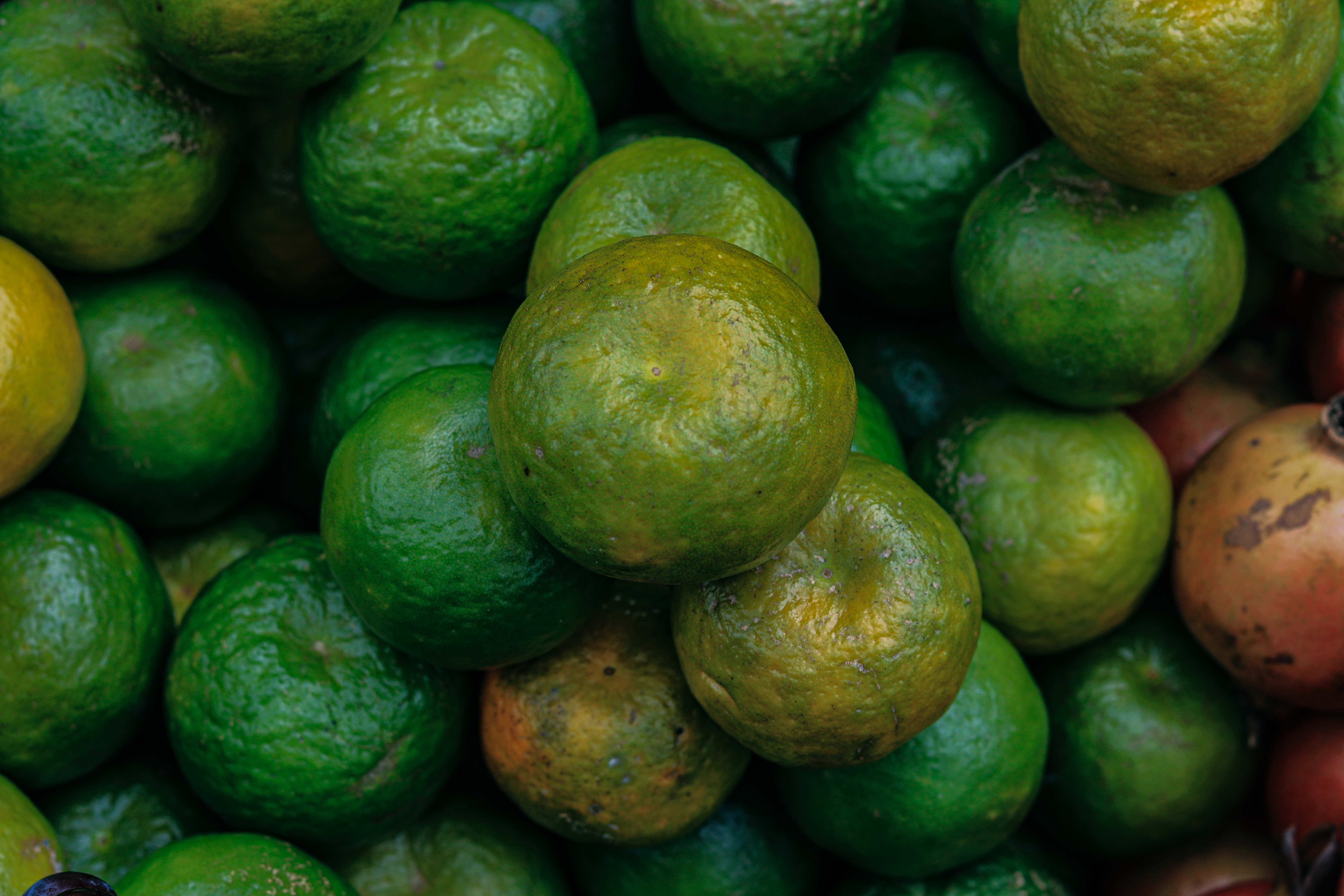
The report said vitamin C helps "boost immunity". MedlinePlus states it more carefully: vitamin C is needed for the growth and repair of tissues, to form collagen, heal wounds and absorb iron, and it is one of many antioxidants; the body cannot make or store it, so it must come from food every day. Too little vitamin C lowers the ability to fight infection, but research shows that for most people vitamin C supplements or vitamin C-rich foods do not reduce the risk of catching a cold. The recommended intake for adults is 90 milligrams a day for men and 75 milligrams for women, with 35 milligrams more for smokers. The best sources are raw fruits and vegetables, since cooking and long storage reduce the vitamin.
What health authorities advise for the fasting meal
The report's central advice, to choose fruit over fried food at iftar, matches what the WHO country office in Bangladesh published for Ramadan in May 2017. Its tips were to reduce fatty, deep-fried, processed, spicy or salty food, which increase thirst during the fasting hours; to drink plenty of water and eat hydrating foods; to eat fruits instead of fruit juices; and to divide eating into three parts, iftar, a light evening meal and sehri, and never to miss sehri, the meal that gives energy for the day.
The WHO healthy diet fact sheet of January 2026 sets the wider frame. It advises everyone older than 10 years to eat at least 400 grams of fruit and vegetables a day. It also warns that most fruit juices, even those without added sugar, contain significant amounts of free sugars, and it recommends keeping free sugars below 10 per cent of daily energy, which it puts at about 50 grams, or 12 level teaspoons, for a person eating about 2,000 kilocalories a day. Whole fruit, eaten with its fibre, is the better choice than juice or sweetened fruit drinks at iftar.
Fluid matters as much as food in a long fast. MedlinePlus lists the signs of mild to moderate dehydration as a dry or sticky mouth, passing little urine and darker yellow urine, and notes that older adults and people with certain diseases, such as diabetes, are at higher risk. Its advice is to drink plenty of fluids and more in hot weather. Water-rich fruits such as watermelon and coconut water add to fluid intake between iftar and sehri, but they do not replace drinking water.
People with diabetes, kidney disease or other conditions
Fruit advice for healthy adults does not fit everyone, and anyone with a long-term illness should see a doctor before Ramadan about whether and how to fast and what to eat. The International Diabetes Federation and the Diabetes and Ramadan International Alliance published the IDF-DAR Diabetes and Ramadan Practical Guidelines 2021 in the journal Diabetes Research and Clinical Practice in January 2022. The guidelines note that people with some illnesses and serious medical conditions, including some people with diabetes, can be exempted from fasting, that many fast anyway, and that it is of paramount importance that those who fast receive appropriate guidance and proper care. They include a risk assessment that doctors use before Ramadan.
That pre-Ramadan contact makes a difference. A study of 963 adults with type 1 diabetes in Saudi Arabia, published in Clinical Medicine Insights: Endocrinology and Diabetes in September 2025, found that attending a pre-Ramadan education session was associated with 47 per cent lower odds of visiting an emergency room during the month. For people with diabetes, the sugar in fruit counts toward the meal: a portion of whole fruit is a different load from a glass of juice or several sweet fruits at once, and the right amount is a question for the doctor or a dietitian.
For people with kidney disease, the potassium that makes banana, coconut water and oranges useful for others can be a danger. MedlinePlus explains that when the kidneys are not working well they may not remove enough potassium, which can then build up in the blood, a condition called hyperkalemia that can cause dangerous heart rhythms, often with no symptoms. Certain blood pressure medicines, including ACE inhibitors, angiotensin receptor blockers and mineralocorticoid receptor antagonists such as spironolactone, can raise it too. People with this condition may be asked to limit or avoid oranges and orange juice, bananas, dried fruit and several other foods. Anyone with kidney disease or on these medicines should follow the diet their doctor sets, including for iftar.
Washing and handling fruit for iftar
Fruit for iftar is often bought cut or eaten raw, so how it is handled matters. The U.S. Food and Drug Administration's guide to selecting and serving produce safely advises choosing fruit that is not bruised or damaged, and buying pre-cut fruit, such as half a watermelon, only when it is kept refrigerated or surrounded by ice. At home it advises the following steps.
- Wash hands for at least 20 seconds with soap and warm water before and after preparing fruit.
- Cut away damaged or bruised parts, and throw away fruit that looks rotten.
- Wash all fruit under running water before cutting, even if the skin will not be eaten, so that dirt and bacteria are not carried from the surface into the flesh; do not use soap or detergent, which the fruit can absorb.
- Scrub firm fruit such as melons with a clean produce brush, then dry it with a clean cloth or paper towel.
- Refrigerate fruit bought pre-cut, and if possible use one cutting board for fresh produce and a separate one for raw meat, poultry and seafood.
Photo: Wasiul Bahar / Wikimedia Commons (CC BY-SA 4.0)
Sources: Jagonews24, Prothom Alo, Institute of Nutrition and Food Science, University of Dhaka (Food Composition Table for Bangladesh), World Health Organization, WHO Bangladesh, MedlinePlus (U.S. National Library of Medicine), National Center for Complementary and Integrative Health, U.S. Food and Drug Administration, Diabetes Research and Clinical Practice (IDF-DAR guidelines), Clinical Medicine Insights: Endocrinology and Diabetes, Journal of Agricultural and Food Chemistry, Journal of the International Society of Sports Nutrition, Banglapedia
Comments
(0)