
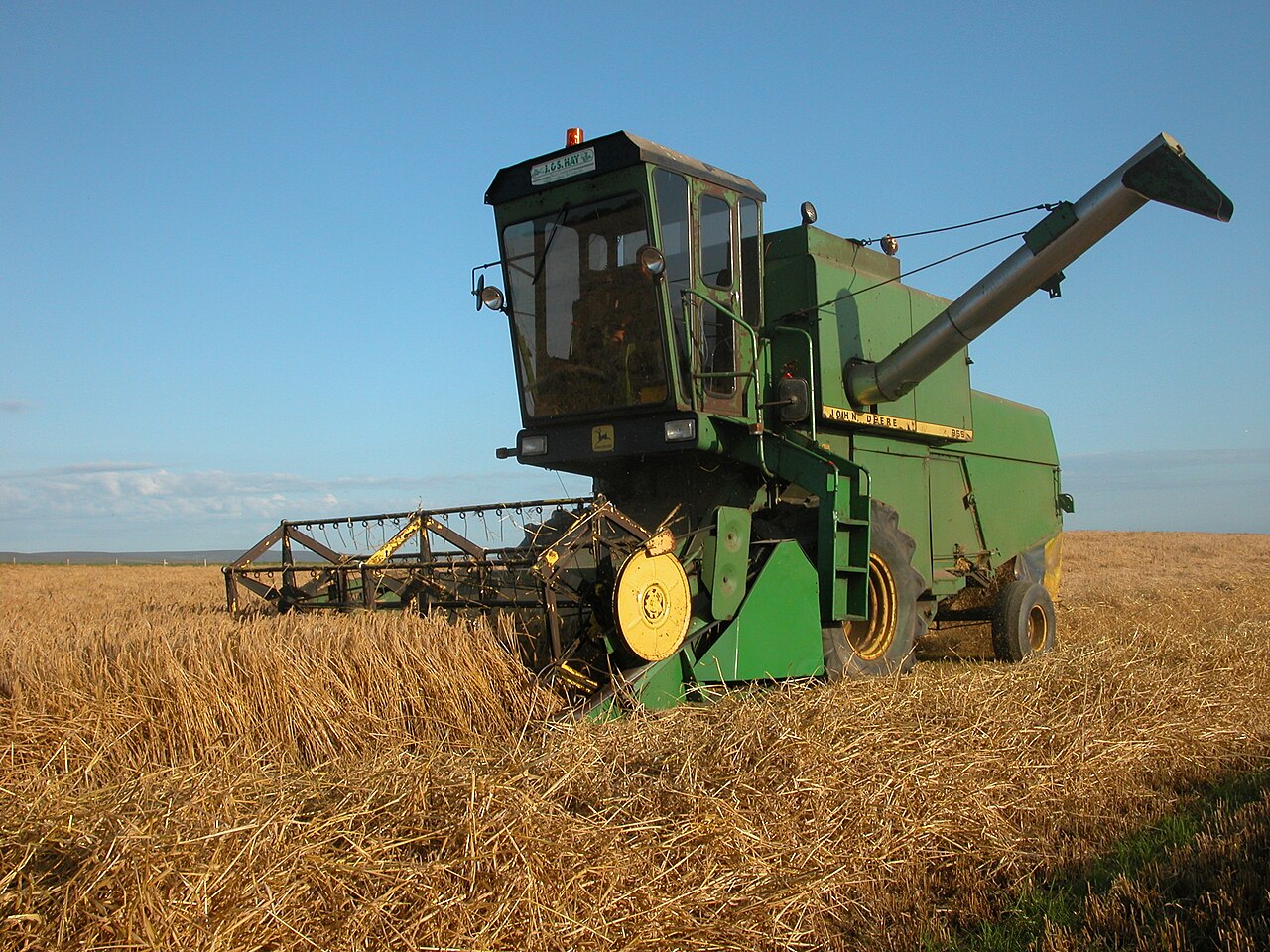
Scotland's harvest has split in two: in the far north persistent September rain has left large areas of cereals standing, while much of the east coast has finished combining and moved on to autumn drilling, The Scottish Farmer's regional round-up by John Sleigh reports.
In Orkney, rain fell on most days of September, often heavily. More than half of the barley crop and most of the oats remain unharvested, large amounts of straw are still lying in rows, and some growers now fear that not all crops will be cut. High winds have caused lodging and grain loss, geese feeding in crops add to the damage, and poached grassland is forcing some producers to sell store cattle earlier than usual.
Caithness reports similar trouble. Combines are running on dual wheels to spread their weight, yet one needed several days and several tractors, winches and excavators to recover after sinking. Potato lifting is slow and some cattle have already been housed.
In Moray, harvest is virtually complete, but fusarium has increased rejections of malting barley; many rejected loads are going to the feed market, where demand is firm. Winter oilseed rape, winter barley and some winter wheat are establishing well and cover crops are giving good ground cover.
Further south, most districts report the cereal harvest finished with generally satisfactory yields and oilseed rape below last year's exceptional levels but respectable. Seed potato lifting is well advanced in dry conditions, though some common scab appears where soils dried out in summer. Growers are watching for slugs, cabbage stem flea beetle and aphids carrying barley yellow dwarf virus, and some are asking for clarity on Ecological Focus Area green cover rules due to change in 2027.
Remaining bean crops in one southern district are yielding around 5 t/ha, generally above average, and final silage cuts are being taken as potato harvesting continues.
Photo: Robert Scarth / Wikimedia Commons (CC BY-SA 2.0)
Source: The Scottish Farmer
Comments
(0)