
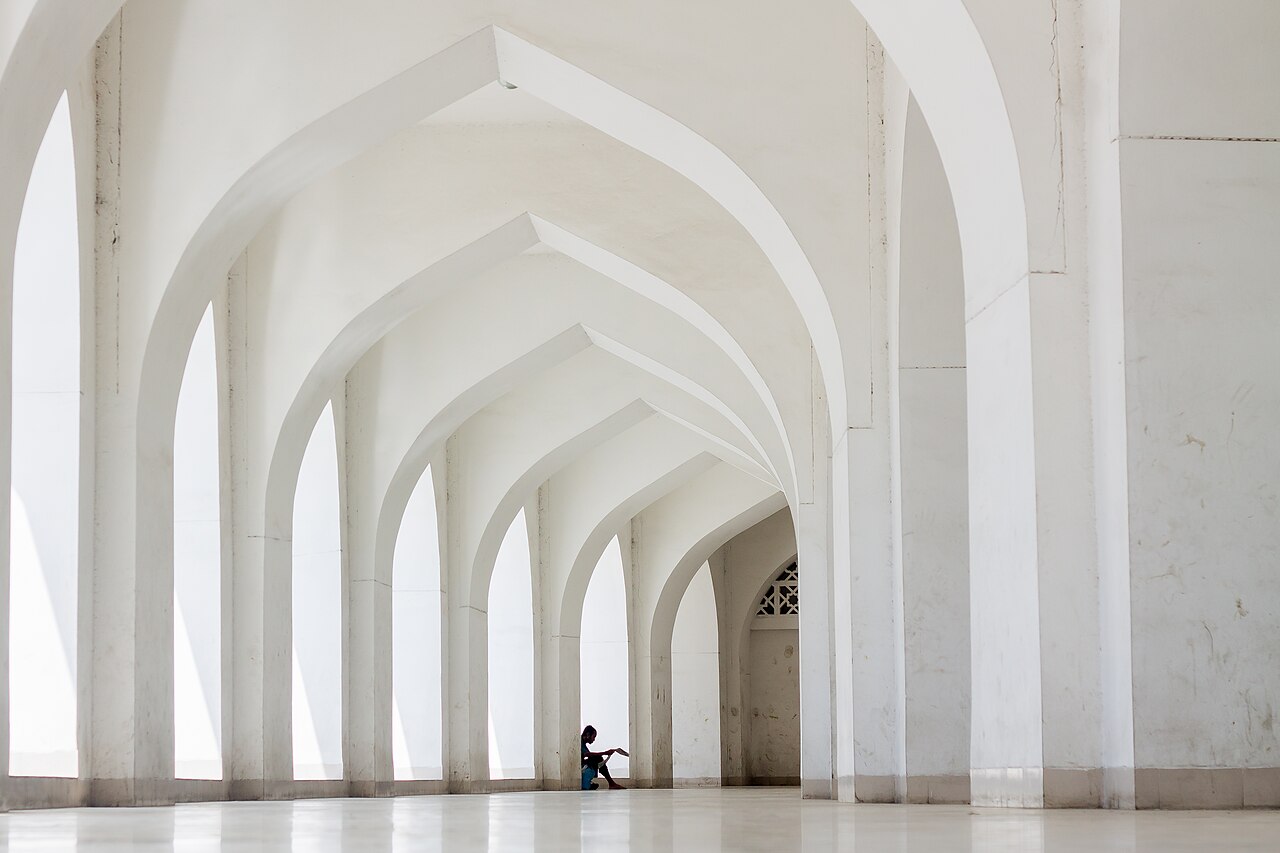
Prayer is among the most important acts of worship in a believer's life, and performing it is not the end of the duty: how and why one prays, and how it shapes one's life, matter too. A piece on Daily Bangladesh's religion page draws three warnings for worshippers from Surah Al-Ma'un.
Verses 4 to 7 of the surah say: woe to those who pray but are heedless of their prayer, who make a show of it, and who refuse even small kindnesses. The article notes that the verses speak not of people who do not pray but of those who pray without giving prayer its due, and that a moment's distraction in prayer does not put someone among them.
The first warning is heedlessness: disregarding prayer times, delaying prayer on purpose, and neglecting its rules and rights. In a hadith in Sahih Muslim (number 85), Abdullah ibn Mas'ud asked the Prophet (peace be upon him) which deed is most beloved to Allah, and he replied: prayer at its proper time.
The second is showing off. The core of worship is ikhlas, doing a deed only for Allah's pleasure; worship for praise or to appear pious contradicts it. Besides verse 6 of Al-Ma'un, verse 142 of Surah An-Nisa describes hypocrites as standing lazily for prayer to be seen by people.
The third is failing to stand by others. The last verse of the surah speaks of those who refuse even small help. Prayer's influence, the article says, should reach beyond the mosque into a person's character, behaviour and sense of social duty, and helping those in need as far as one can is an important part of a believer's character.
Photo: Jubair1985 / Wikimedia Commons (CC BY-SA 4.0)
Source: Daily Bangladesh
Comments
(0)