
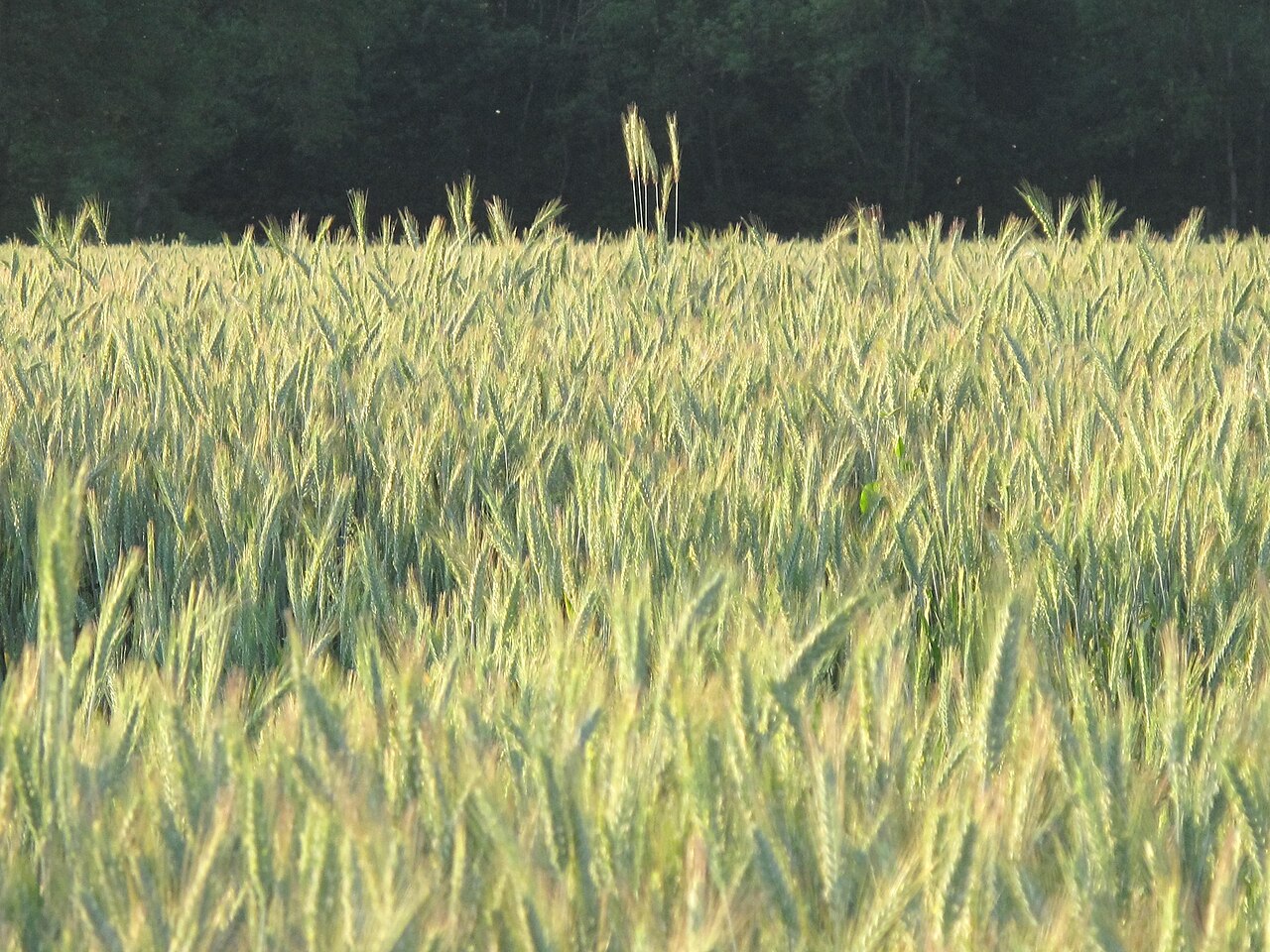
Two companies in the same wheat supply chain have agreed to share the cost of moving their farmers to regenerative agriculture, instead of leaving the farmers to carry it alone. Mars-owned pet food maker Royal Canin and ingredients supplier Roquette, which sells Royal Canin the wheat for its products, will co-invest in the farms that grow that wheat through a partnership with Soil Capital, AgFunderNews reported.
The programme covers more than 60 farms and over 4,700 hectares in France's wheat supply shed. Switching to regenerative practices usually needs money up front for new equipment, cover crops and changed crop rotations. Until now farmers have either paid for that themselves or joined a single company's insetting programme, which may or may not support them financially.
"We believe that a joint investment model is the most effective way to drive large-scale adoption of regenerative agriculture," Magali Amouroux, sustainability manager at Roquette, told AgFunderNews. Sharing the costs and the value along the chain, she said, reduces the burden on farmers and aligns the incentives of everyone involved.
The practical obstacle was accounting. Royal Canin calculates its footprint by economic allocation, the usual method in pet food, while Roquette uses mass balance allocation, the standard in the starch industry, so their figures are not directly comparable and could lead to the same benefit being counted twice. Soil Capital solves this by keeping one farm-level dataset for both companies: it monitors, measures and collects the data on the farm, and every figure is verified by TÜV Rheinland under ISO 14064-2 in annual independent audits.
Results of the transition, such as carbon stored in the soil, will generate Soil Capital Credits, and the companies say farmers will receive 70 percent of them. Luc Beerens, global director for sustainable sourcing at Royal Canin, said the arrangement also prepares both firms for European rules such as the Carbon Removals and Carbon Farming certification framework and the Corporate Sustainability Reporting Directive, which requires companies to report environmental impact across their value chains.
Both companies are now looking at ways to repeat the co-financing model with other partners. Roquette said the partnership shows that different carbon accounting methods need not stop companies from working together, and that the model could be extended to other crops and regions. The story was reported by Jennifer Marston.
Photo: Wheat field in Arbigny, Ain, France, Tangopaso / Wikimedia Commons (public domain)
Source: AgFunderNews
Comments
(0)