
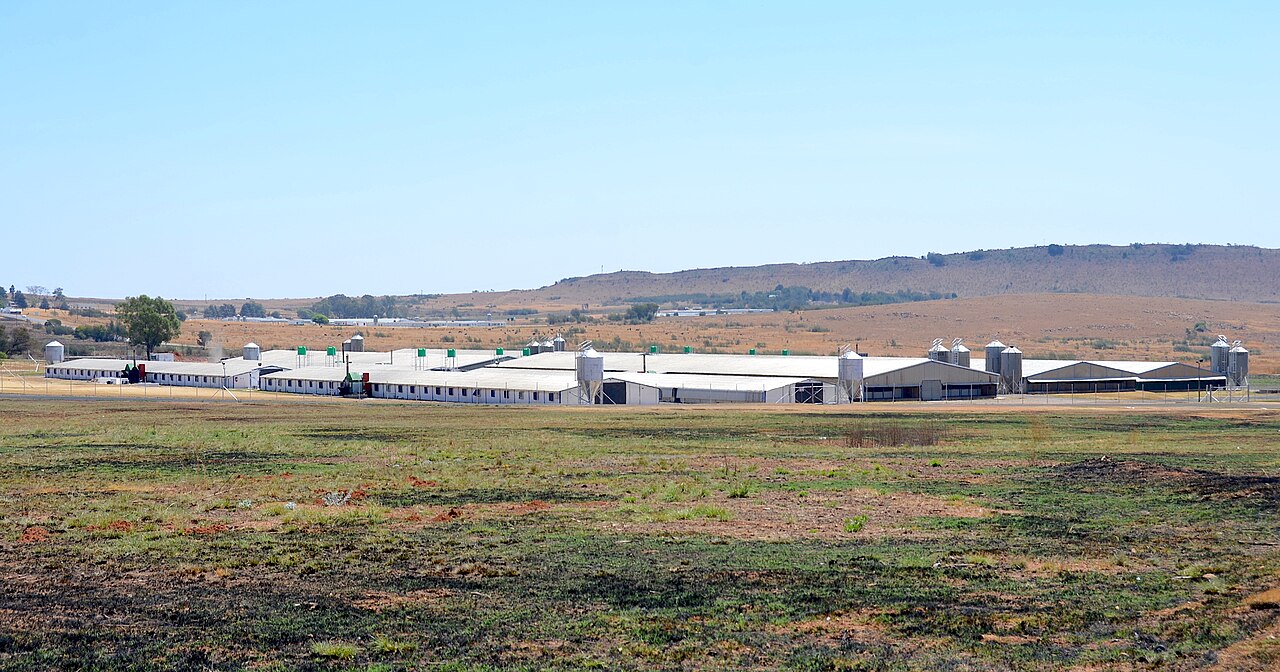
South Africa's poultry industry risks losing its edge over foreign producers because failing municipal water and electricity supplies are pushing up its costs, industry leaders said at a webinar hosted by FairPlay, Farmers Weekly South Africa reported. Most poultry operations are in rural areas, where the problems are worst.
Izaak Breitenbach, general manager of the South African Poultry Association's Broiler Organisation, said the country has become one of the world's most competitive poultry producers, with production costs lower than every major competitor except Brazil. "We are becoming more competitive, but if infrastructure continues to deteriorate, we will lose ground against international producers. This will lead to increased imports, to the detriment of the local industry," he said.
The cost of an outage lasts longer than the outage. For an abattoir processing one million birds a week, losing water or electricity costs about R100,000 an hour in lost production, and a cut of only a few hours can cost a whole day's output because of the time needed to restart. Modern poultry houses also depend on automated water and electricity to keep their climate controlled.
Small producers are the most exposed, Breitenbach said: about 800 small-scale farmers account for 5 to 10 percent of national poultry production. He named Lichtenburg in North West and the Lekwa Local Municipality in Mpumalanga as places with serious problems with water quality, water supply and electricity.
Francois Baird, founder of FairPlay, said infrastructure has become as important a production input as feed. Broiler farms are concentrated in North West (24 percent), Mpumalanga (20 percent), the Western Cape (17 percent) and Gauteng (12 percent), and he called for the poultry production corridors to be mapped so that infrastructure spending goes where it is needed most. Breitenbach also asked why municipalities are not signatories to the Poultry Sector Master Plan, and called for closer work between councils and poultry businesses, technically competent officials and better accountability for infrastructure spending.
The stakes go beyond chicken. The industry supports 110,000 jobs, Breitenbach said, and more production would raise demand for maize and soya beans and create rural employment. The story was reported by Lindi Botha.
Photo: A poultry farm near Magaliesburg, South Africa, Olga Ernst / Wikimedia Commons (CC BY-SA 4.0)
Source: Farmers Weekly South Africa

Comments
(0)