
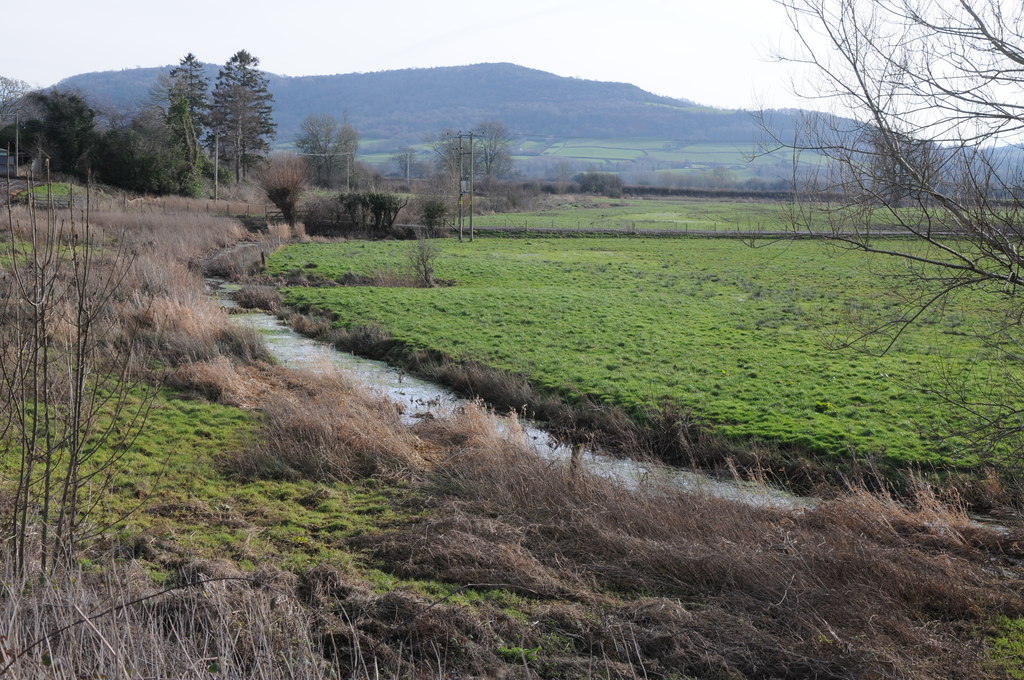
New farm-level data from the River Wye catchment in England and Wales suggests farms are not running the phosphorus surpluses that modelling has assumed, with seven in ten recording a zero or negative balance, Farmers Weekly reports.
The two-year FarmGate Nutrient Balance Programme, run by the Herefordshire Rural Hub, measured actual inputs and outputs on 145 holdings covering more than 28,000 hectares. The average phosphorus balance was effectively neutral at -0.5 kg P per hectare, compared with historic Rephokus modelling that estimated a surplus of 6.2 kg P per hectare above crop need.
The results suggest there is less to be gained from simply cutting livestock numbers than from better nutrient management. Bought-in feed was a major source of imported nutrients, and stocking rate on its own was a poor predictor of a farm's balance. "We keep hearing that we should be destocking, but we didn't see a lot of evidence that there was a need to destock," said programme lead Dan Smith. "There is evidence that we need to be slightly better on our management."
Nitrogen told a different story, remaining in surplus at an average of about 83 kg N per hectare. Smith pointed to management gaps, such as farms sowing nitrogen-fixing herbal or legume leys but still fertilising them at rates meant for ryegrass. He said farmers could cut both pollution risk and costs by using more home-grown forage, scrutinising bought-in feed and testing manures so their nutrient value counts in fertiliser plans.
Smith stressed that farming still has an environmental impact. The findings are being fed into talks with the Environment Agency on its new River Wye Diffuse Water Pollution Plan, and the programme plans further work on nutrient use and farm management.
Photo: Philip Halling / Wikimedia Commons (CC BY-SA 2.0)
Source: Farmers Weekly


Comments
(0)