
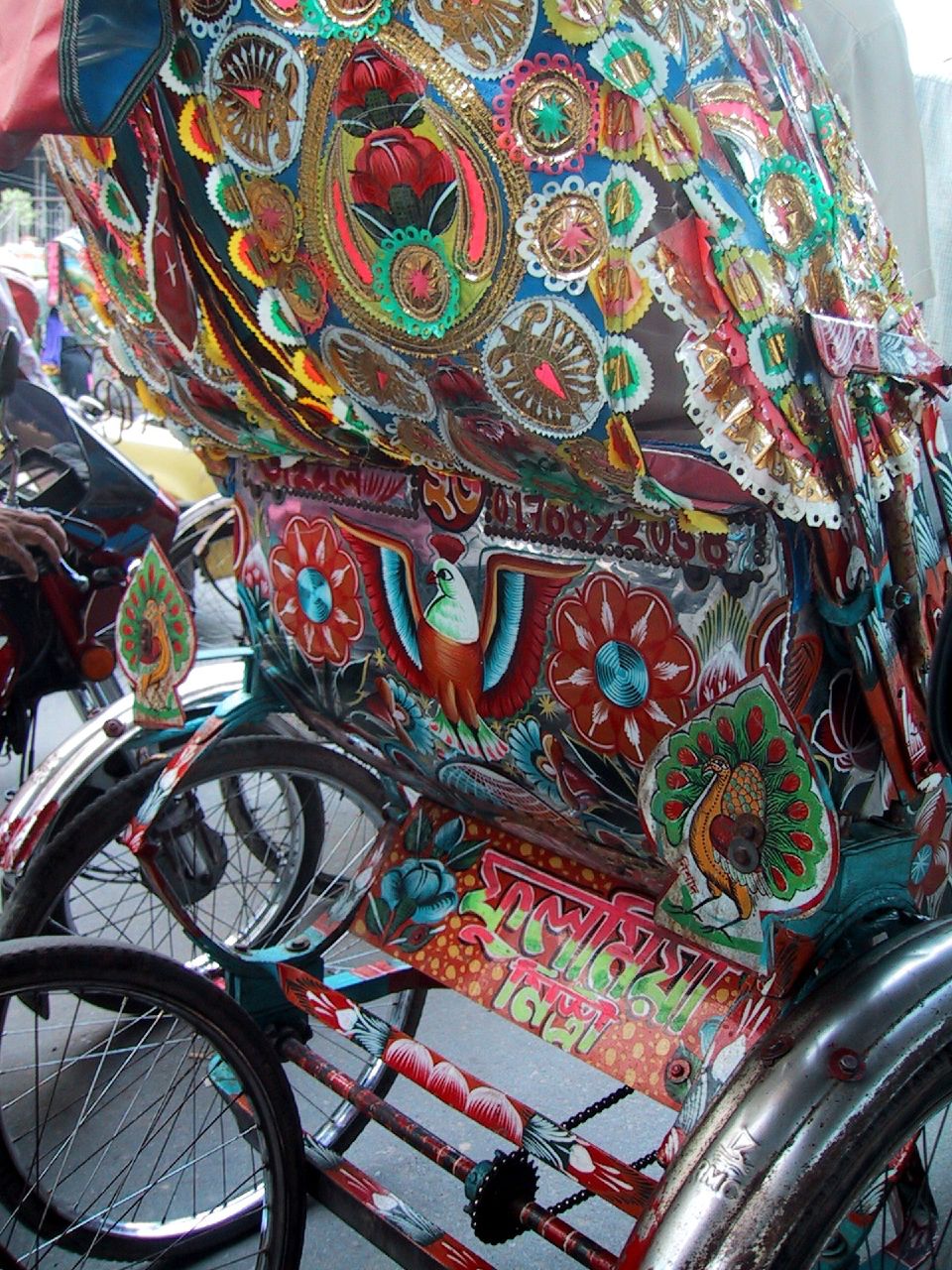
Amid the familiar rickshaw-art motifs of flowers, birds, village houses, rivers and sailing boats, large letters read: 'Not every tumour is cancer.' In Rampal, Bagerhat, Amader Gram Cancer Care and Research Centre is using traditional rickshaw painting for cancer awareness and health education. The centre's health education research officer described the project in Prothom Alo.
The centre, a rural clinic, is an initiative of the Amader Gram ICT for Development project. The writer says the word cancer carries fear and helplessness for many people, and medical jargon makes information hard to follow. Rickshaw art's bright colours catch the eye, its familiar scenes feel like home and its short lines stick in the memory, which is why it was chosen.
The message 'Not every tumour is cancer' is meant to reduce needless panic. Another painting reads 'In illness, strength of mind is the best medicine'. The writer adds that such a line needs a clear explanation alongside it: strength of mind is no substitute for treatment, and what matters is listening to the patient, not leaving them alone and getting treatment when it is needed.
Bright reds, blues, yellows and greens, birds, lotus flowers, rivers and village landscapes bring a grave subject into the setting of everyday life. The writer says the initiative has drawn a response locally, and that linking rickshaw art to public health could widen the work available to the folk art itself. The centre has further plans for the coming winter.
The founding president of the parent organisation, the Bangladesh Friendship Education Society, was the late artist Mahmudul Haque, a professor at Dhaka University's Faculty of Fine Art. It is now led by its co-founder, the development worker Reza Selim.
The aim is to start conversations about health outside the clinic, on the road and within families, and to encourage people in villages to overcome their fear of cancer and seek advice in time.
Photo: Prince Roy / Wikimedia Commons (CC BY 2.0)
Source: Prothom Alo

Comments
(0)