
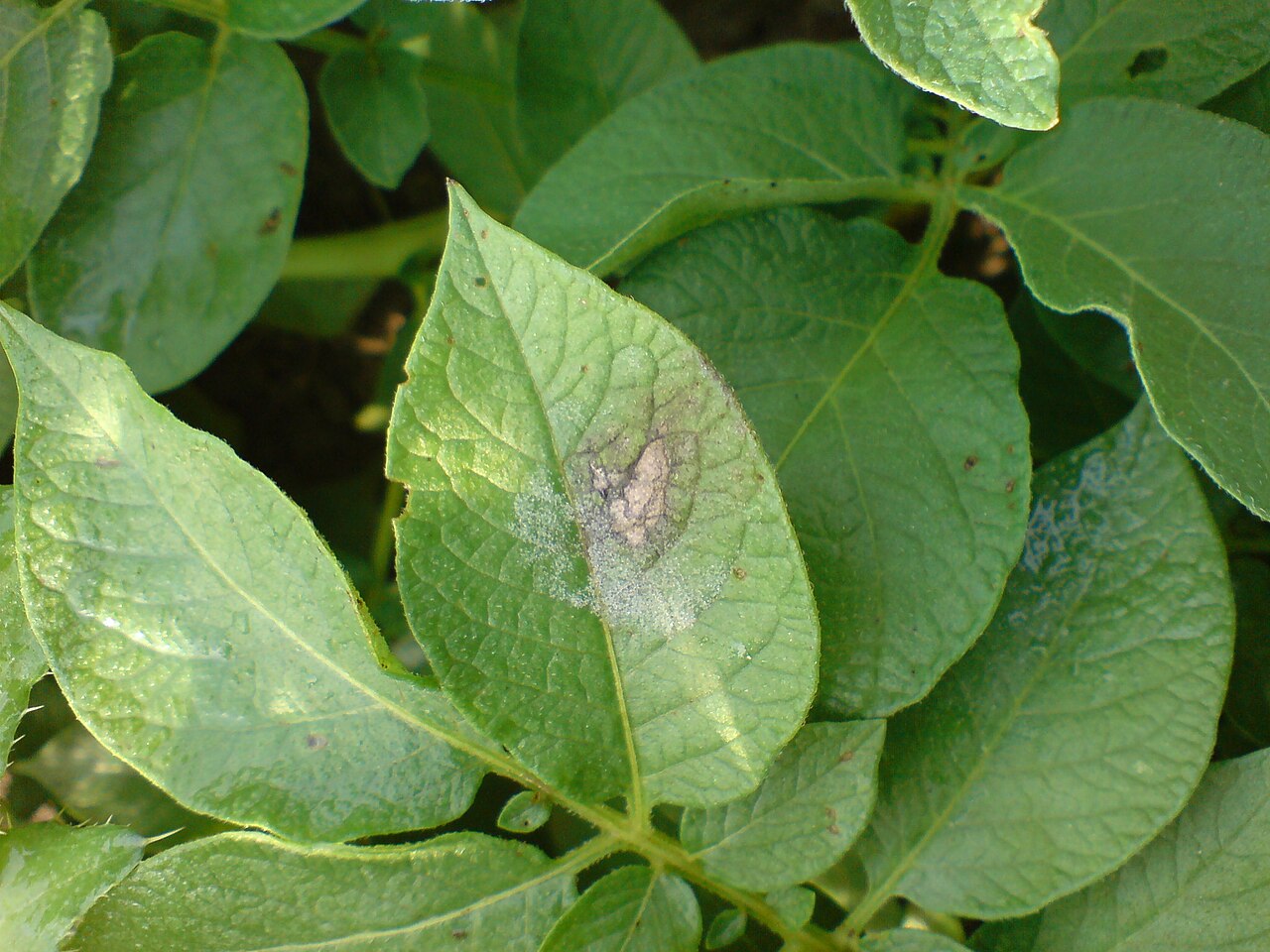
Resurrect Bio, a start-up based in the United Kingdom, is using artificial intelligence to find gene edits that restore the natural disease defences crops have lost to pathogens over time, an approach that could let farmers fight fungi, oomycetes and nematodes with fewer chemical sprays. AgFunderNews, which reported the interview, notes that its parent company AgFunder is an investor in Resurrect Bio.
Plants carry immune receptors that detect attackers, but pathogens and pests have evolved proteins that bind those receptors and block them, or that slip past detection. Rather than importing resistance genes from wild relatives, or knocking out genes that let a pathogen in, Resurrect Bio maps the interactions between plant immune receptors and these pathogen proteins and then pinpoints where partners at seed companies can edit the plant to break the block or restore detection.
The work starts with the company's FloraFold platform, a protein-folding tool named after Google DeepMind's AlphaFold but tailored to plants, plant pathogens and pests, which predicts which proteins interact. "It's really there to reduce the search space," cofounder and chief executive Cian Duggan told AgFunderNews at the World Agri-Tech innovation summit in London, so that the company's wet lab, where most of the work happens, has fewer candidates to screen. The final step designs "the smallest number of DNA changes possible", and those edits are licensed to seed companies and plant breeders.
Duggan said the approach works on any crop, most pathogens and many pests, but each trait is built for a particular crop and threat, such as potato blight or a virus: "a very targeted approach, almost like personalized medicine." The company is working on potato, tomato, soy, corn and spinach. He said unwanted side effects are screened out early, though field trials decide in the end.
On durability, he was candid. "Never bet against the pathogen. The pathogen will always win eventually," he said, adding that AI and knowledge of how pathogens have overcome resistance before help predict their next move. He prefers restoring resistance genes to removing susceptibility genes, because a gene that lets a pathogen in may also have a job the plant needs, for example in drought.
Resurrect Bio closed its Series A about six months ago and either licenses traits it develops itself or works on projects sponsored by partners from the start. Duggan said the UK's and the EU's new rules for gene-edited crops open its home markets, after years in which it focused product development on the Americas.
Photo: Björn Andersson (SLU) / Wikimedia Commons (CC BY-SA 4.0)
Source: AgFunderNews

Comments
(0)