
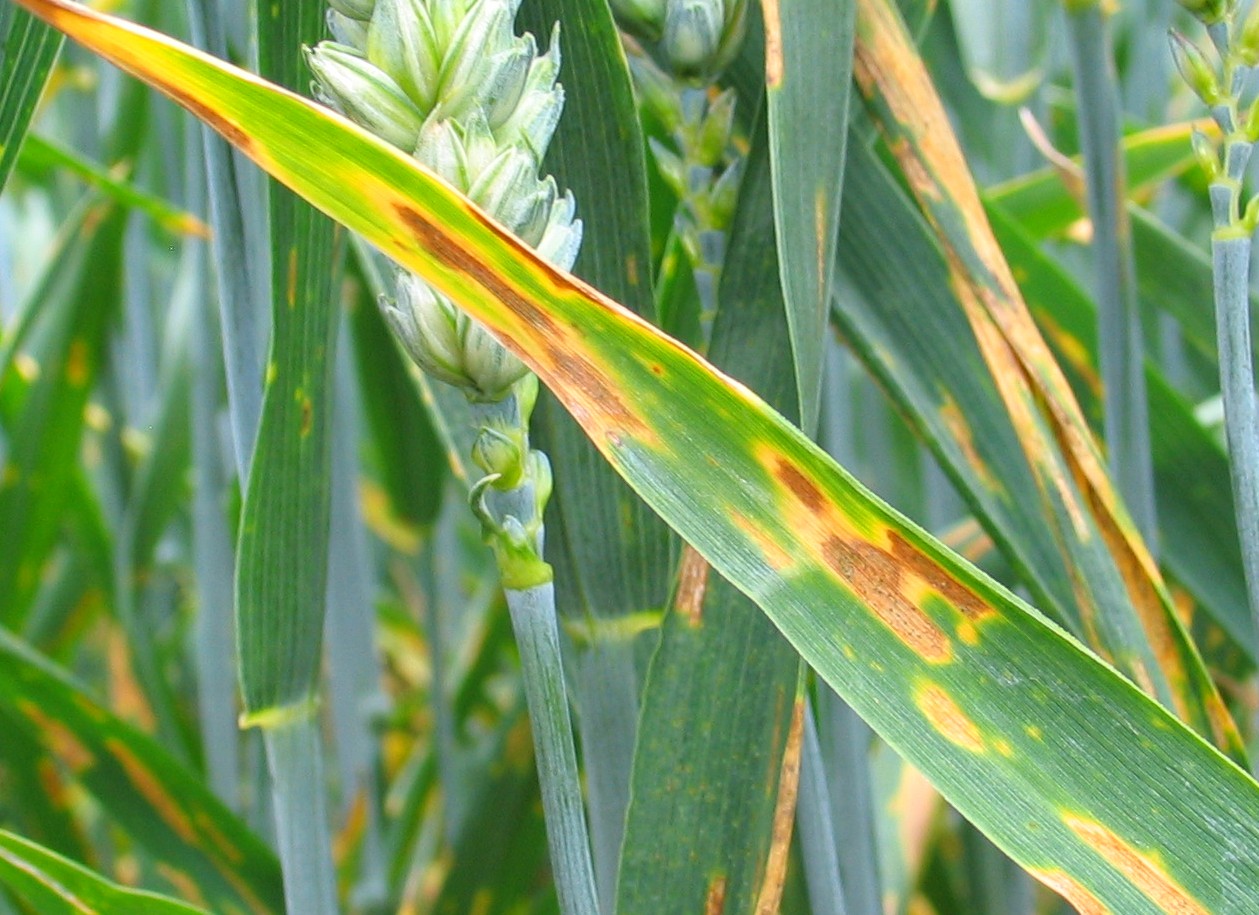
Biological products, plant breeding and better testing of farm technologies side by side will be the main building blocks of future disease control in crops, as farming slowly moves away from relying on chemicals, according to Dr Aoife O'Driscoll of the crop research organisation NIAB. Each shows promise, she said, but each still has practical and technical weaknesses.
Some growers already use biofungicides, mostly elicitors such as UPL's laminarin, along with sulphur and phosphonate products, but independent field data are scarce. EU trials in the Rustwatch project found very little effect of the tested biofungicides on rusts but more promise against septoria, and AHDB is now funding NIAB, ADAS and SRUC trials in Hampshire, Herefordshire and Lothian of elicitors, a terpene plant extract, living bacterial and fungal products and sulphur products, alone and with fungicides. "The quick wins are more likely to be the phosphonates and sulphur products rather than the bacterial or fungal ones," she said, adding that at 20 to 30 percent efficacy, cost will have to match.
Breeding remains a key source of disease control, and O'Driscoll wants resistance stacked in the field as well, by sowing blends of varieties against diseases such as yellow rust. Publicly available data on parentage and resistance genes could power a new generation of variety-selection tools, going beyond AHDB's current blend tool.
Technology is the third strand. This season, Leicestershire farmer Will Oliver's AHDB Strategic Farm compared five decision-support tools for septoria and rust in wheat, including SporeSense, OptiGene, NIAB laboratory PCR testing and the weather-based IPMDecisions, against a NIAB agronomist. NIAB's lab test gives more precise measures of disease in the leaf, she said, while OptiGene gives an instant yes or no on the farm. SporeSense, which captures and identifies spores as an early warning, has let users delay rust sprays, time sprays better for yield or save money.
On insect pests, Professor Tom Pope of Harper Adams University said breeding already works, with varieties resistant or tolerant to aphid-borne barley yellow dwarf virus and virus yellows, and gene editing could help against hard problems such as virus yellows in sugar beet. Sprayable RNA interference (RNAi), already used against Colorado potato beetle in North America, shuts down essential genes only in the target pest and can be redesigned if resistance appears; the hurdle in the UK is convincing regulators.
Most biopesticides persist for a shorter time and are often less effective, so they need more applications, but they are kinder to the pests' natural enemies, Pope said.
Photo: Maccheek / Wikimedia Commons (public domain)
Source: Farmers Weekly


Comments
(0)