
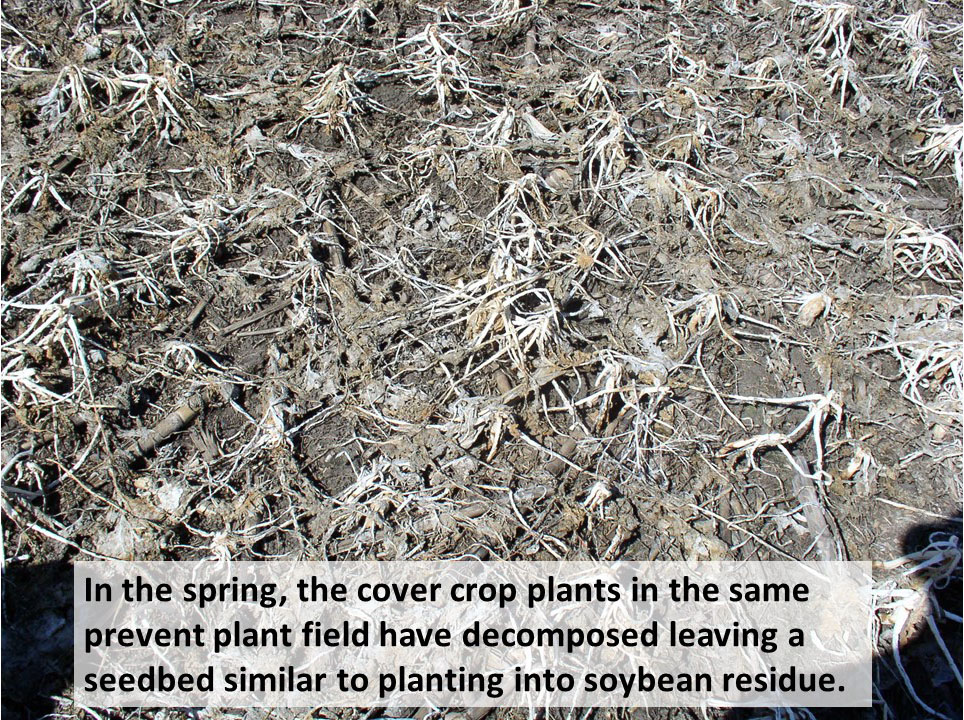
Large companies are putting money behind regenerative agriculture, yet the question of who should pay for farmers to switch at scale is still unanswered, executives from IKEA, Royal Canin and Yara said at a forum held during the World Agri Food Innovation (WAFI) Conference in Pinggu, Beijing, in September.
Royal Canin, the pet food maker owned by the Mars Group, has pledged to halve its absolute carbon emissions by 2030. Yang Ming, its commercial director for Asia-Pacific, said the company has so far paid farmers during pilots, promising to cover any loss at the end of the year because the first seasons of regenerative practice are uncertain. He said that cannot continue once the work moves beyond pilots.
Instead, Royal Canin is testing a supply chain model. When it buys wheat, it checks whether the grain comes from a regenerative area and uses internal funds to support its suppliers, who in turn support traders and farmers. The company works with Syngenta in Shandong and Hebei provinces, and Yang cited a China Agricultural University study that found improved soil health and lower soil carbon emissions there.
Esther Van de Voort, director of ecosystem partnerships and innovation at Yara International, said every party, from farmers and input suppliers to buyers, governments, NGOs and universities, needs "skin in the game". She said aligning their agendas, budgets and timelines is hard, and that lenders remain wary of farming because of weather, market and production risk. Better farm data and risk management tools, she argued, could help unlock patient capital.
For IKEA, the interest is about securing raw materials for the long term. Leo Xiao, raw material developer at IKEA Supply Area East Asia, said raw materials make up more than 60% of the company's carbon emissions, and that its analysis of cotton suggests regenerative production has a markedly lower footprint than conventional growing. He said IKEA sees regenerative agriculture as the future model for sourcing.
The discussion shows where the transition now stands: the agronomy has been demonstrated on pilot farms, and the open issue is a financing arrangement that shares cost and risk along the chain rather than leaving it with the grower.
The report was written by Amanda Lim for AgNavigator.
Photo: USDA NRCS South Dakota / Wikimedia Commons (public domain)
Source: AgNavigator
Comments
(0)