
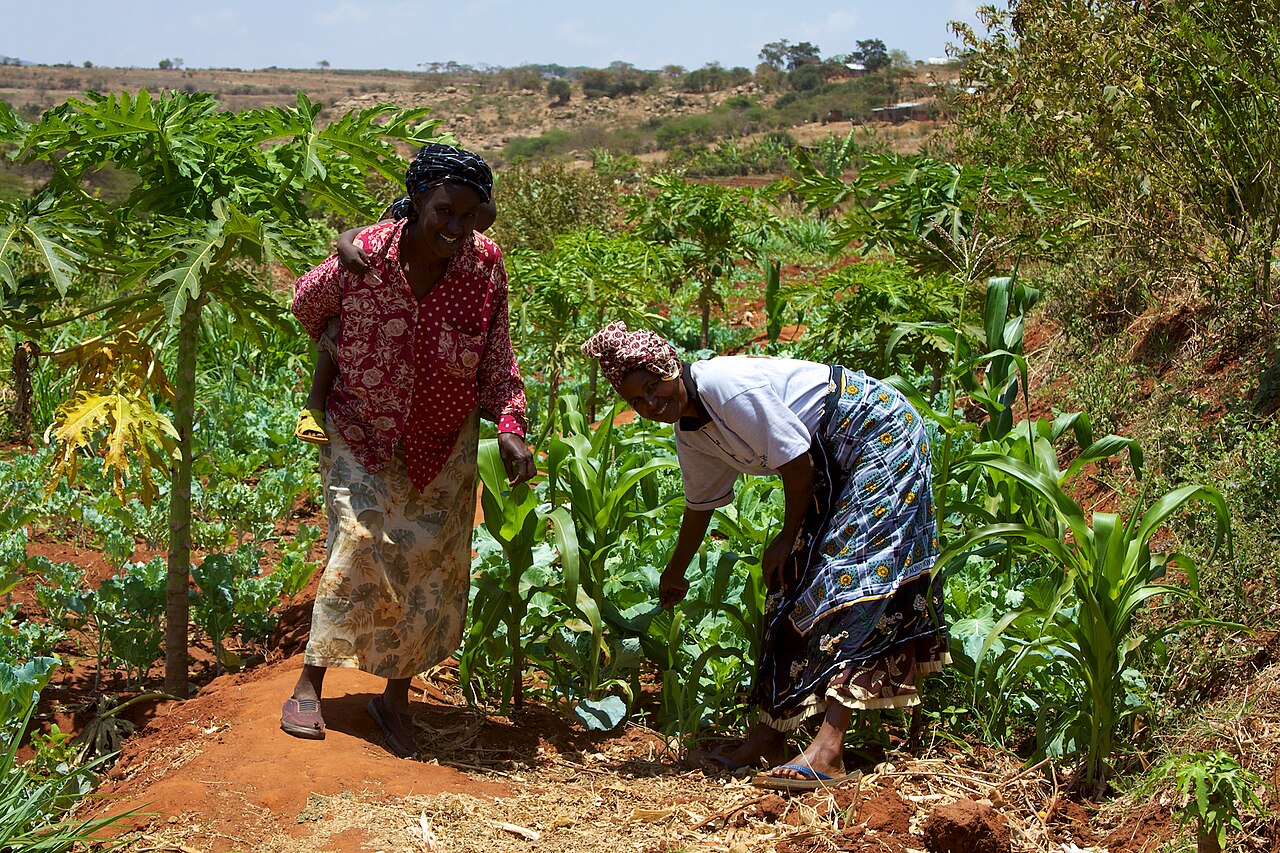
Kenya is rewriting the laws that govern its seed sector and its plant genetic resources, and the Ministry of Agriculture and Livestock Development (MoALD) has drawn farmers, community seed groups, breeders, seed companies and researchers into the drafting, the International Livestock Research Institute (ILRI) reports.
The review covers two draft bills. The Seeds and Plant Varieties Bill 2026 would replace the existing Seeds and Plant Varieties Act (Cap. 326) and strengthen regulation of the seed trade. The Plant Genetic Resources Institute Bill 2026 would strengthen the conservation, access and sustainable use of plant genetic resources, and turn the current Genetic Resources Research Institute into a Plant Genetic Resources Institute.
The ministry held a four-day technical workshop at Lake Naivasha from 7 to 10 July 2026, building on a MoALD-CGIAR dialogue at ILRI on 12 May. After that dialogue, seed-policy experts from seven CGIAR centres gave the ministry and the Kenya Plant Health Inspectorate Service (KEPHIS) a joint memorandum. Stakeholder comments were sorted clause by clause and marked as taken forward, modified, left for regulations or held for further consideration.
Four questions dominated. One was how formal seed certification can sit alongside lighter quality checks for farmer-managed and community seed, such as Quality Declared Seed. Another was how to record and recognise farmer and indigenous varieties, protect community custodianship and farmers' rights, and require prior informed consent and agreed terms for benefit-sharing when such seed or knowledge is used commercially. Participants also worked on making the two bills fit together, and on balancing farmer access to good seed with conservation and predictable rules for breeders and seed businesses.
"They are twins, and we agree to treat them as 'conjoined'," said Martin Oulo of the Inter-sectoral Forum on Agrobiodiversity and Agroecology. Joyce Karanja of the Seed Trade Association of Kenya stressed efficient seed markets alongside seed quality, while Miriam Kinyua of the Plant Breeders Association of Kenya said farmer access to quality seed should stay at the centre. Joseph Karugia of ILRI urged the team to consider the wider economic and food-system effects of a working seed system.
The ministry has since circulated revised draft bills and the treated comment matrices. More technical work is expected as the bills are aligned with a draft national seed policy and go through consultation and public participation. Gloria Otieno of the Alliance of Bioversity International and CIAT said alignment with the emerging African Union Seed Policy Framework could make Kenya's law a progressive example for the region.
Photo: McKay Savage / Wikimedia Commons (CC BY 2.0)
Source: ILRI


Comments
(0)