
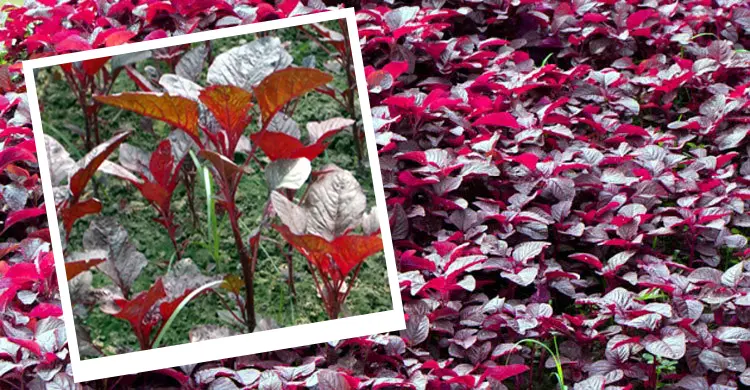
Red amaranth (lal shak) adds flavour to meals and is a popular food because it is tasty and nutritious. It is grown in almost every region of the country. It can also be grown on one's own or sharecropped land as a way out of unemployment.
Land preparation and sowing
The land should be prepared well by ploughing and laddering. Depending on the land and soil, it needs four to six rounds of ploughing and laddering. Seed can be broadcast or sown in rows, but row sowing is more convenient. The distance between rows should be 20 centimetres. Draw a line 15-20 centimetres deep with a stick, sow the seed along the row and level the soil. Red amaranth can be grown all year round, but yields are higher at the start of winter.
Soil
"BARI Lal Shak-1" is grown year-round in almost all types of soil. Loam and sandy loam soils, however, are best suited to red amaranth.
Fertiliser
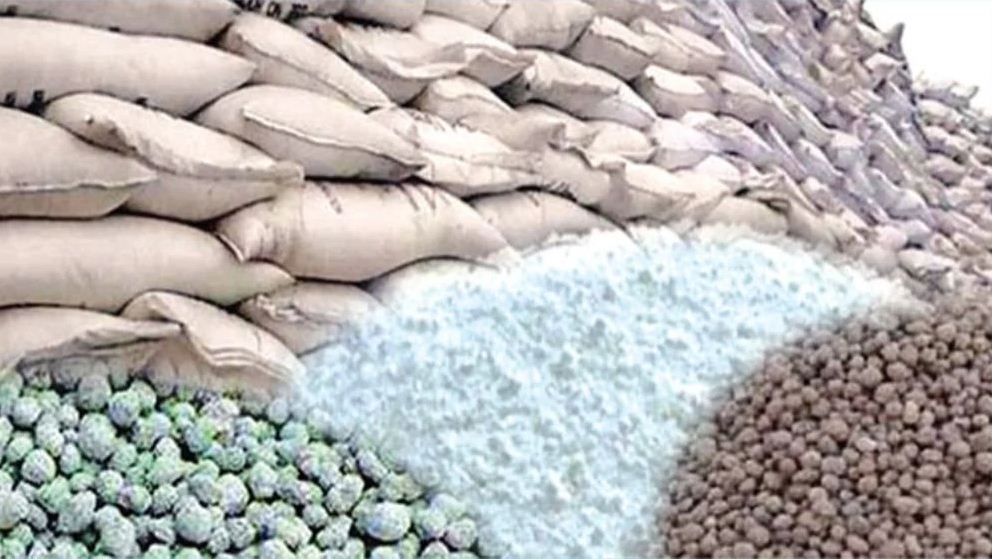
To get a good, high-quality yield, apply as much organic fertiliser as possible to the land. Fertiliser should be applied according to soil type after a soil test. Organic fertiliser keeps the soil's quality and the environment healthy. Cow dung can be collected from livestock, and household waste and rotted compost can be used for a good yield. Compost can be made by piling waste, fallen leaves and the like in a pit near the house.
Care
One week after germination, keep plants 5 centimetres apart in each row and pull out the rest. Keep the land free of weeds. If a crust forms on the topsoil, break it up while weeding.
Remember, growing red amaranth by improved methods can produce about 500kg of greens from each bigha of land.
Source: Jagonews24. First published in Bengali on The Agro News.


Comments
(0)