
India's farm sector faces a mix of domestic weather risks and uncertain global commodity markets, the Reserve Bank of India (RBI) says in its October 2026 Monetary Policy Report, even as the wider rural economy becomes less dependent on crops, Rural Voice reports.
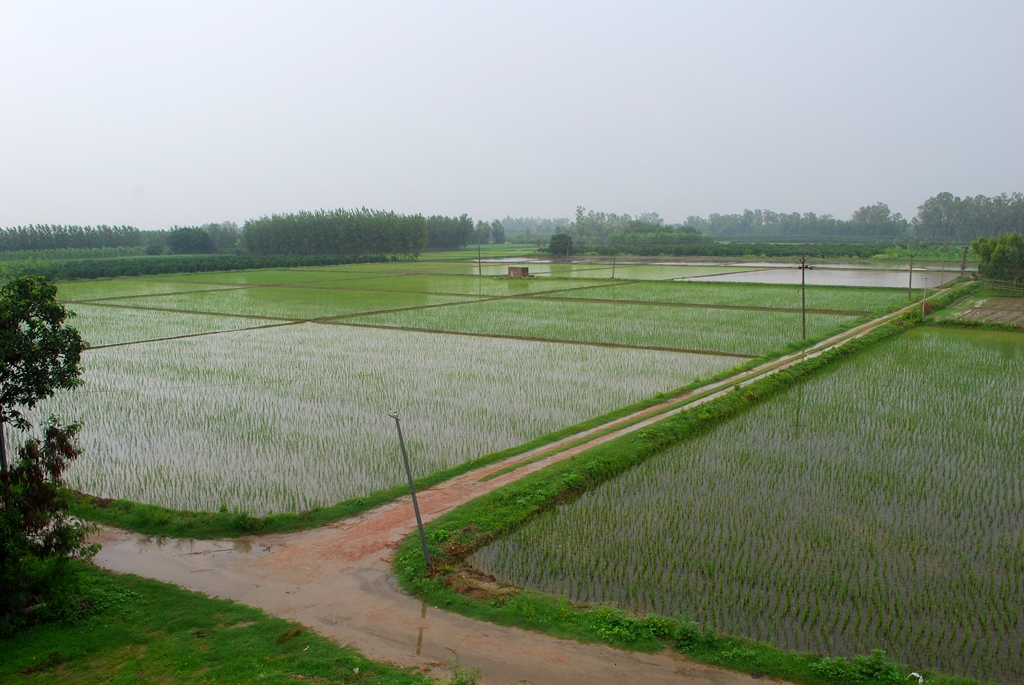
The southwest monsoon was uneven. After a weak June it covered the whole country by 9 July, and July rain was 1% above the long-period average, but cumulative rainfall to 30 September ended 12.6% below normal, with every region deficient. The production-weighted rainfall index stood at 90%. Major reservoirs held 71.8% of capacity on 1 October, against a normal 81.8% and 90.3% a year earlier. Kharif sowing by 2 October was 1% below last year, though 1% above normal: rice, sugarcane and cotton fell while pulses, coarse cereals and oilseeds rose.
The rabi season could face headwinds from low reservoirs, above-normal temperatures and possible El Niño conditions. Weather shocks in major producers, geopolitical tension, trade policy and input and energy prices are also unsettling global markets for cereals and edible oils, which can feed through to India's farmgate prices, trade and food inflation.
There is a cushion. The third advance estimate for 2025-26 puts foodgrain output at a record 3,766 lakh tonnes, 5.3% more than the previous year, with every major crop up except cotton. Horticulture is estimated at 3,778 lakh tonnes, 1.9% above 2024-25. The government has raised minimum support prices by 0.1-8.8% for kharif crops in 2026-27 and 1.0-10.3% for rabi crops in 2027-28, partly to encourage diversification.
The RBI's analysis, Indian Agricultural Sector amidst Weather Shocks, finds the rural economy more resilient. Among households with up to one acre, wages make up more than 55% of income, while crops and livestock together contribute about 36%. In years when rainfall falls short by more than 7%, non-farm activities become the main driver of rural growth. A regression for 1994-95 to 2025-26 links rainfall shortfalls to slower agricultural and allied growth, with a coefficient of -0.40, and rainfall explains about 39% of the variation in farm growth.
Irrigation, weather-resilient varieties, a shift to less water-hungry crops and growth in livestock and fisheries have reduced that dependence, the central bank says. But a weak monsoon, El Niño and global market shocks remain a major risk to food supplies and prices.
Photo: Sanyam Bahga / Wikimedia Commons (CC BY-SA 3.0)
Source: Rural Voice


Comments
(0)