

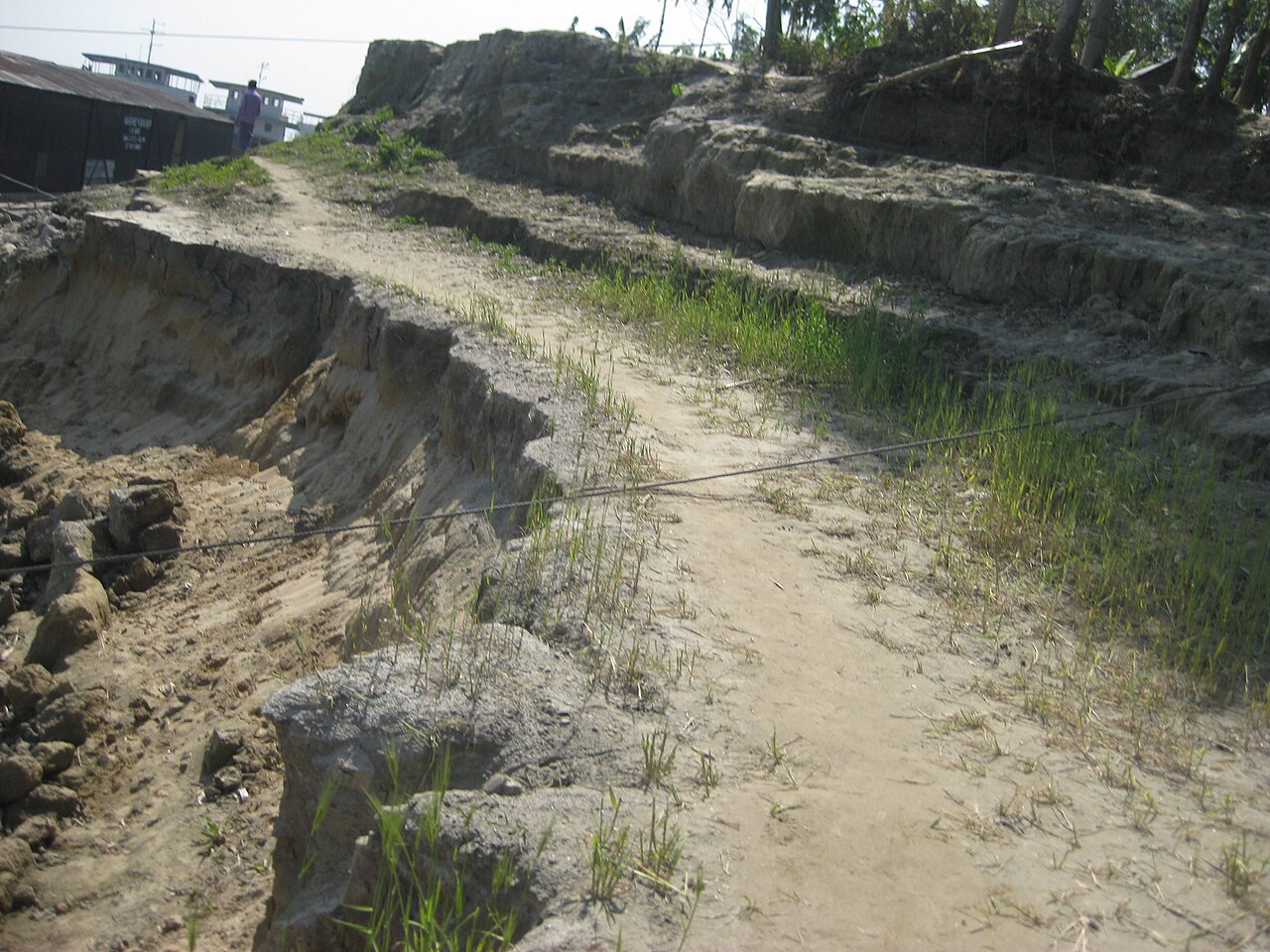
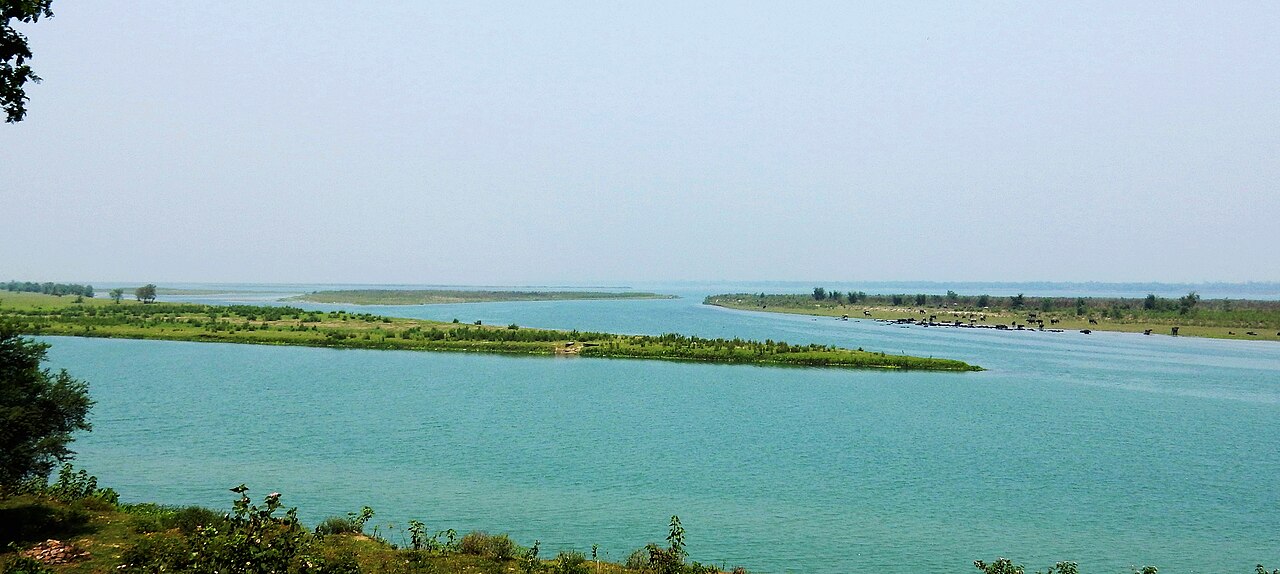
Cotton should expand onto char lands, saline and drought-prone areas and low-yield land, not onto land that grows food, Bangladesh's Minister for Agriculture and for Fisheries and Livestock, Mohammad Aminur Rashid, said on Wednesday, 7 October. He was speaking as chief guest at a World Cotton Day seminar at Tula Bhaban in Khamarbari, Dhaka.
Calling the country's cotton good quality, the minister said raising output needs long-term, realistic plans for clearly identified areas. To reach the target of 500,000 bales by 2030, he ordered a master plan setting out how much area will be added each year, where new cotton will be grown and how many farmers will take part.
He said areas where conventional food grains do poorly offer room for cotton and other alternative crops, and that intercrops such as turmeric should be used alongside cotton. He also spoke of making the most of limited farmland, diversifying crops and growing exports.
On coloured cotton, he said naturally coloured fibre would cut the chemical dyes used in cloth, and that there is world demand for chemical-free products. Officials will check whether such cotton is still experimental or already grown commercially before acting, and he said he would like to visit the area himself.
Stressing research and innovation, he said farming must become more competitive through higher yields on less land and better produce at lower cost. Money will not be the main obstacle to expanding cotton, he said, but the plan must be carried out quickly, transparently and accountably.
The seminar was chaired by Md Rezaul Amin, executive director of the Cotton Development Board. Agriculture Secretary Md Salim Khan was special guest, and Professor ASM Golam Hafiz of Bangladesh Agricultural University, general secretary of the Bangladesh Agricultural Economists Association, was guest of honour.
Photo: Wikimedia Commons (public domain)
Source: Krishi Sangbad
Comments
(0)