
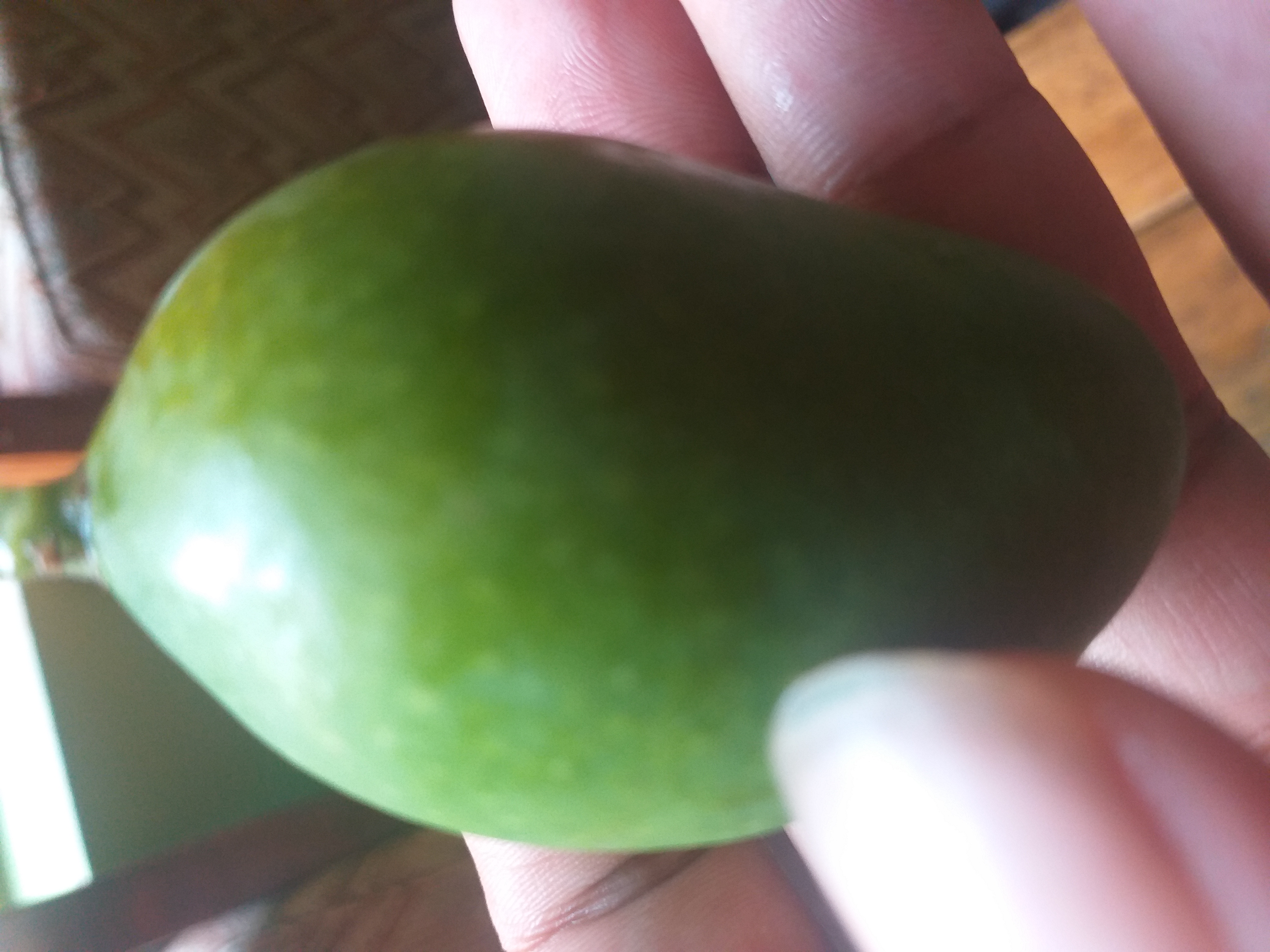
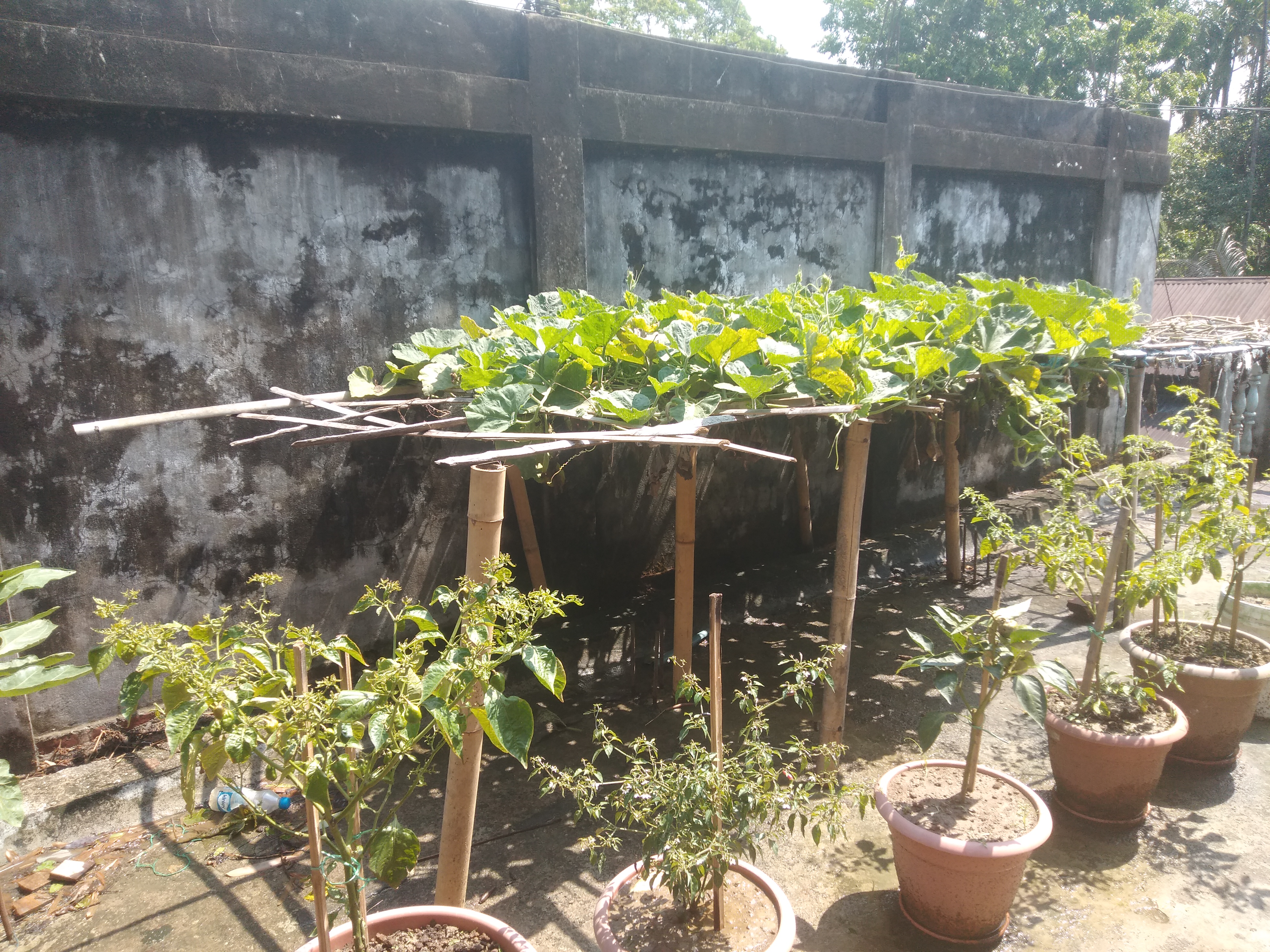
On a house roof in the Syed Bari area, beside Rangunia police station in Chattogram district, rows of mango trees stand in tubs. A report by The Agro News's staff correspondent, published on 20 December 2024, described clusters of fruit hanging from several of the trees, some of it already ripe, while other branches were carrying fresh blossom. The sweet smell of the ripe fruit, the report said, was drawing neighbours up to look.
The garden belongs to Md Sakib, a college student. This article sets out what the report said about his rooftop orchard and what the Rangunia Upazila Agriculture Office and the upazila administration said about it. It then explains, from dated government and research sources, when mangoes normally flower and ripen in Bangladesh, which varieties the report named, what scientists in Chattogram have found about improved BARI mangoes, how rooftop gardening has been promoted in the city, and where a reader can get advice.
A tub orchard on a Rangunia roof
According to the report, Sakib planted the mango trees in tubs on the roof of his family's house and had been tending them for a long time. Alongside the blossom, clusters of mangoes had formed on several trees, and on some of them the fruit had begun to ripen. People from the area were coming to see the garden, and the report said many of them were curious about trees bearing fruit outside the usual mango season.
Mango was not the only fruit on the roof. The report said Sakib had also planted saplings of lemon, pineapple and other fruit trees, and that these had fruited as well as he had hoped. It also said that most of the young men in the area who had seen the garden were showing an interest in growing mangoes in tubs on their own roofs.
Asked about the garden, Sakib told the correspondent that good-quality mango saplings had been planted in a small space on the roof and that he cared for them on the advice of an agriculture officer. He said the yield had been good and that fruit on one or two trees had started to ripen. In his view, a small tub garden on a roof could bring financial benefit and help meet a family's nutritional needs. He said he planned to grow mangoes on a larger scale the following year, and that many people were following his example. The report gave no figures for his harvest, costs or earnings, and none are given here.
What the agriculture office and the upazila administration said
On the question of fruit appearing out of season, the Rangunia Upazila Agriculture Office told the correspondent that, with good-quality saplings and proper care, mangoes fruiting on a roof ahead of the usual time was nothing unusual. The office added that anyone who set up a rooftop mango garden on a commercial footing could succeed in the way Sakib had.
The report said interest locally was strongest in the traditional varieties Langra, Gopalbhog, Khirsapat and Ashwina, and that many people were also becoming interested in planting the research-bred varieties BARI Aam-3 and BARI Aam-4.
The report also quoted the Rangunia Upazila Nirbahi Officer, named in it as Mohammad Saiful Islam Majumder. He said anyone could easily grow mangoes on their roof, both to eat mangoes free of formalin and to meet the family's need for nutrition. These are the officials' and the grower's own statements as the report carried them.
Rangunia: the upazila behind the story
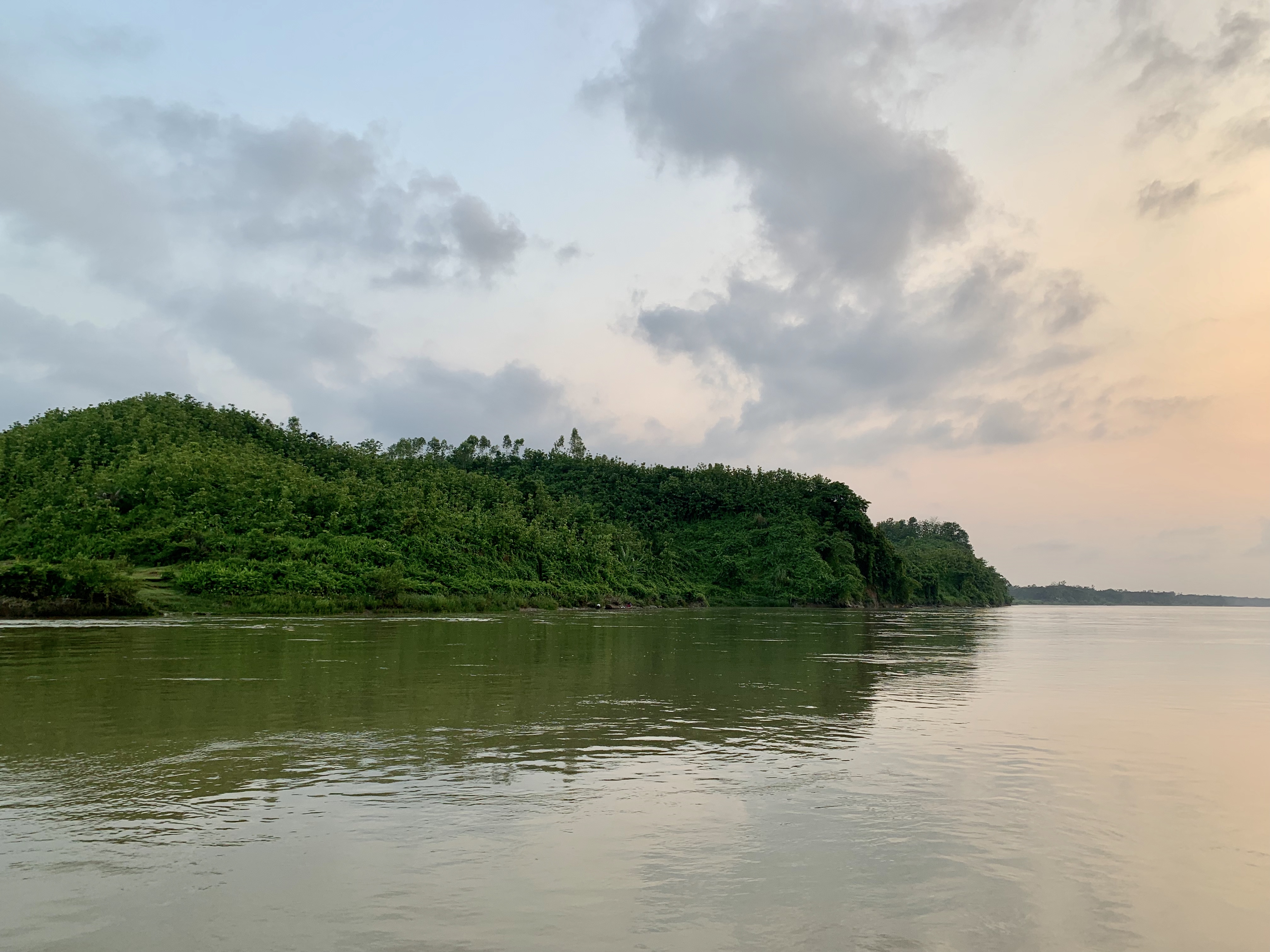
Rangunia is an upazila of Chattogram district. Banglapedia, the national encyclopedia of Bangladesh, gives its area as 361.53 square kilometres, lying between 22 degrees 18 minutes and 22 degrees 37 minutes north and between 91 degrees 58 minutes and 92 degrees 08 minutes east. It is bounded on the north by Kawkhali upazila of Rangamati district and on the south by the Chandanaish, Patiya and Boalkhali upazilas. The Karnaphuli is its main river.
Banglapedia records a population of 339,004, of whom 168,412 are men and 170,592 are women, and divides the upazila into 15 unions, 74 mouzas and 138 villages. Besides Bengali Muslims, Hindus and Buddhists, Chakma and Marma communities live there. Agriculture is listed as the main source of income for 39.71 percent of people.
The same entry lists the main crops as paddy, tobacco, wheat, potato, onion, garlic, betel leaf and vegetables, and the main fruits as mango, black berry, coconut, banana, litchi, papaya, hog plum and olive. Mango, in other words, was already one of the upazila's recognised fruits before rooftop growers such as Sakib took it up in tubs.
When mangoes normally flower and ripen
Why did fruit on a roof attract so much attention? Because the mango in Bangladesh has a fixed season. Banglapedia's Bengali entry on the mango says the trees flower from January to March. The crop weather calendar for mango that the Department of Agricultural Extension's Bangladesh Agro-Meteorological Information System (BAMIS) published in 2022 for the Rangamati region, the hill districts next to Rangunia, gives a crop duration of 160 to 165 days running from January to July.
That calendar divides the season into stages: swelling of the buds at the tips of the shoots, lengthening of the flower clusters (panicles), flowering, the pea stage of the young fruit, fruit growth, and finally maturity, ripening and harvest. Its weekly normals for the region show maximum temperatures of about 25.6 degrees Celsius in early January rising to about 33 to 34 degrees by April and May, with minimums of about 13 degrees in January.
In the main mango belt, harvest dates are set each year. The calendar announced by the Rajshahi district administration for 2024, reported by the Dhaka Tribune on 16 May 2024, allowed Gopalbhog to be picked from 25 May, Himsagar or Khirsapat from 30 May, Langra from 10 June, Amrapali and Fazli from 15 June, BARI-4 from 5 July and Ashwina from 10 July. The same calendar listed Katimon and BARI-11 as year-round varieties.
Year-round varieties are one known route to mangoes outside the season. A bdnews24.com report of 25 March 2023 from Sharsha in Jashore described BARI Aam-11, a variety from the Bangladesh Agricultural Research Institute (BARI), as bearing fruit three times a year. The upazila agriculture officer quoted there said it tasted good, fetched a good price because it came off season, and could be planted on a house roof. The Rangunia report did not name the varieties of the trees that were fruiting on Sakib's roof, so it is not known which of these routes applied to his garden.
The varieties named in the report
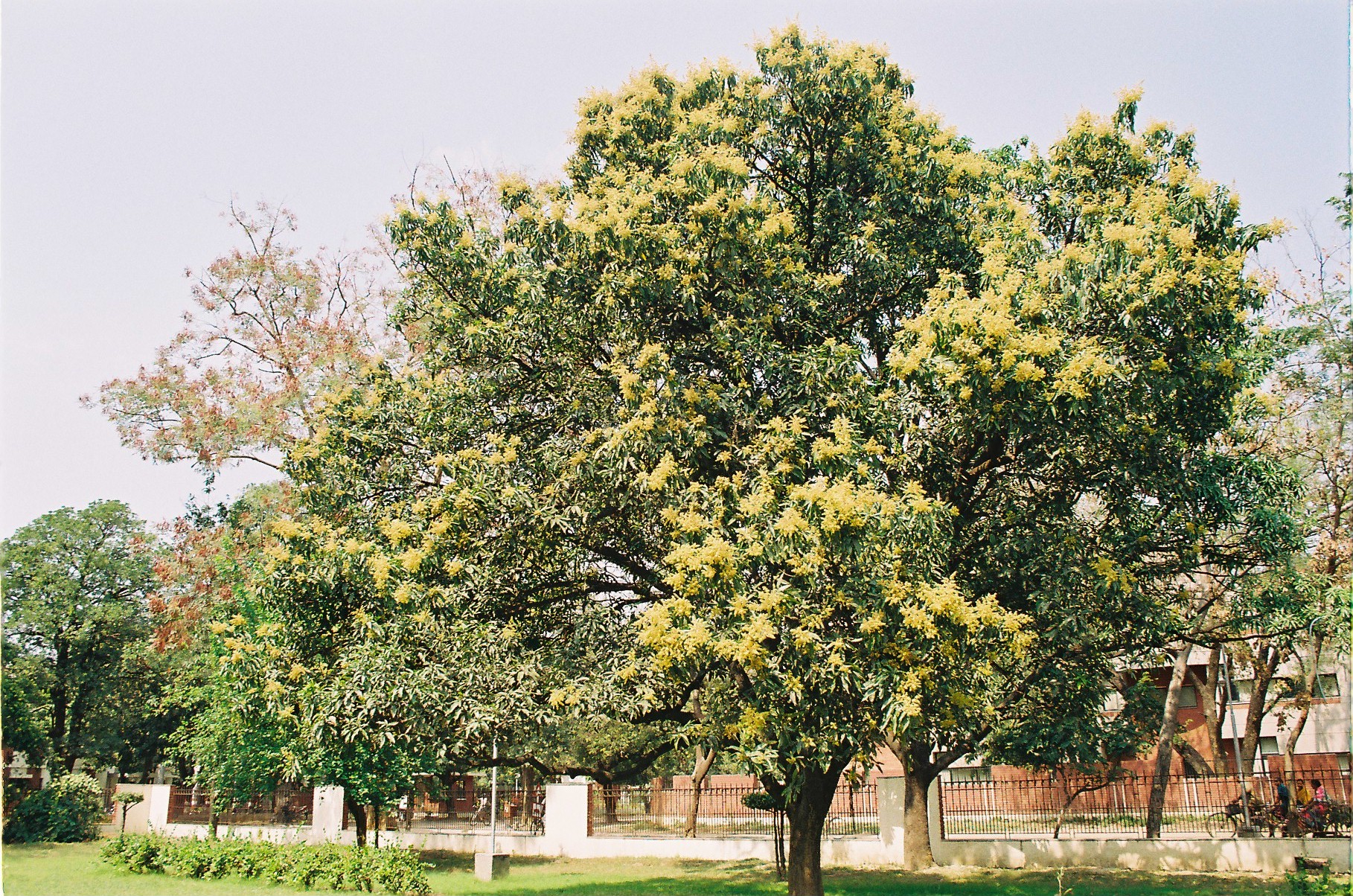
The mango, Mangifera indica, belongs to the family Anacardiaceae. Banglapedia says it originated in the eastern part of the Indian subcontinent, including Bangladesh, Assam in India and Myanmar. It names Fazli, Langra, Gopalbhog, Himsagar, Khirsapat, Ashwina, Kishanbhog and Mohanbhog among the elite varieties grown mainly in Rajshahi, Chapainawabganj and Dinajpur, and says these are propagated by grafting.
The four traditional varieties in the Rangunia report cover the season from end to end. Going by the 2024 Rajshahi calendar, Gopalbhog is among the earliest, Khirsapat follows at the end of May, Langra comes in June and Ashwina is one of the last, from July. Khirsapat, Gopalbhog and Himsagar were among the varieties exported in 2023, according to The Business Standard.
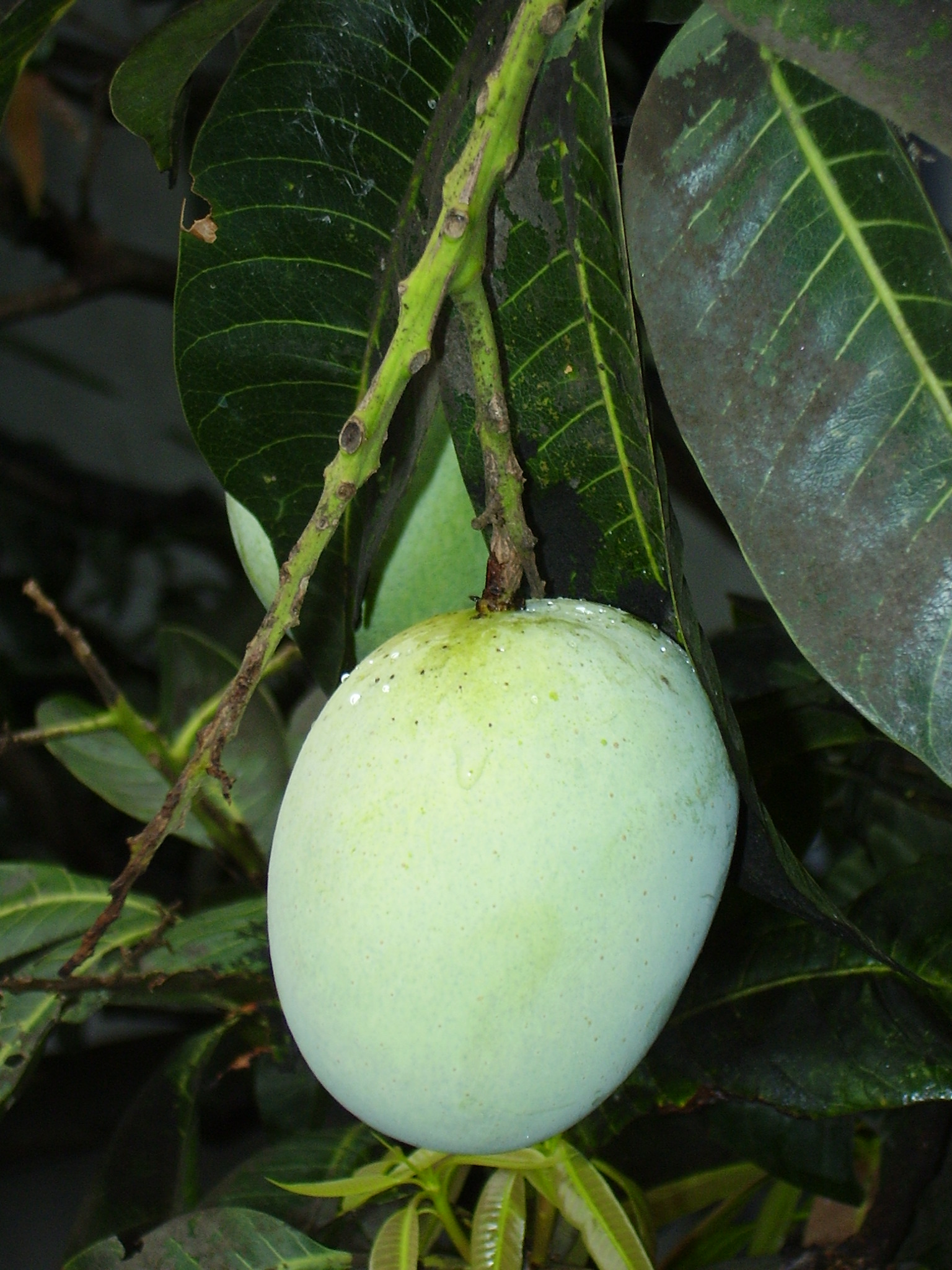
BARI Aam-3 is the variety farmers know as Amrapali. A study of growers in Chapainawabganj published in the EBAUB Journal in January 2024 describes the tree as dwarf and a regular bearer, carrying small fruit in clusters with good keeping quality. Its flesh is deep orange-red, and the study says it contains about 2.5 to 3.0 times more beta carotene than other commercial varieties.
BARI Aam-4 came from a cross between the local Ashwina and a variety from Florida in the United States, according to the same study. Its fruit weighs about 200 to 500 grams, and it reaches the market from the last week of July into August. The study says it took 17 to 18 years for the variety to become popular. Of the 130 growers surveyed, 78.46 percent grew both Amrapali and BARI-4, and the recommended yield for both was given as 8 tonnes per acre. The growers reported average prices of Tk 65 a kilogram for Amrapali and Tk 90 for BARI-4, and 30.8 percent said BARI-4 was in greater demand because it ripens late and has an attractive colour.
BARI mangoes in Chattogram: what research found
Scientists have tested BARI's improved mangoes in the Chattogram region itself. A paper by H Barua, MM Alam Patwary and MH Rahman in the Bangladesh Journal of Agricultural Research (volume 38, 2013) compared five BARI varieties at an agricultural research station in Chittagong between January and June 2012. BARI Aam-1 flowered and was harvested earliest and BARI Aam-8 latest.
The trees in that trial carried between 51 and 117 fruits each. BARI Aam-8 gave the most fruit and the highest yield per plant, 33.59 kilograms, followed by BARI Aam-4 at 19.02 kilograms. BARI Aam-4 also had the heaviest fruit, 373.0 grams on average. The edible portion ranged from 65.99 to 78.66 percent and total soluble solids, a measure of sweetness, from 16.51 to 21.36 percent.
A second paper in the same journal (volume 43, 2018), by MJ Uddin of the Regional Agricultural Research Station at Hathazari and colleagues, looked at what Chittagong farmers were actually planting. It surveyed 131 mango growers in 28 villages of three upazilas. Of 11 BARI varieties, BARI Aam-3 had been adopted by 77 percent of the farmers, BARI Aam-4 by 22.1 percent and BARI Aam-8 by 15.9 percent.
Other BARI varieties were little grown, the authors found, because saplings were not available and farmers did not know them. They also found that most farmers were not following the recommended practices for pit size, planting distance, manure and fertiliser, plant growth regulators, or insect and disease management. That finding matches the point the Rangunia agriculture office made: results depend on good saplings and proper care.
Rooftop gardening in Chattogram and Dhaka
Sakib's garden was part of a wider movement onto city and town roofs. The Food and Agriculture Organization of the United Nations (FAO) and the Department of Agricultural Extension (DAE) ran a project, "Enhancing urban horticulture production to ensure food security" (TCP/BGD/3503), in Dhaka and Chittagong from December 2015 to December 2017, with a contribution of USD 299,000.
According to FAO's project summary, 250 demonstration rooftop gardens were set up in the two cities, 800 city dwellers were trained in rooftop garden technology, and 45 local young people were trained as gardeners. Five school garden demonstrations were established, three in Dhaka and two in Chittagong. Two motivational tours and an exposure visit were organised for 200 beneficiaries, and four consultation meetings were held with nursery owners, seed traders, fertiliser sellers and garden-tool traders. The project also prepared a guide covering how to assess a building's weight capacity, how to use the space, how to choose plants and varieties, where to obtain materials and seed, how to prepare soil, and a crop calendar.
FAO reports that the project led DAE to include urban horticulture in its mainstream work, and that it helped increase the production of fresh vegetables and fruit in both cities while contributing to income, food security and the urban environment. It notes that home gardening is centred on women, so the project also helped raise women's incomes. The guide's first topic, the weight a roof can bear, matters for anyone planning tubs of soil and trees.
Mango in Bangladesh: the national picture
Rooftop trees are a small part of a very large crop. Banglapedia records that Bangladesh produced about 639,820 tonnes of mango in 2005-06 from about 641,525 acres. By 2023 the scale was far larger: The Business Standard reported on 14 May 2023 that the official production target for the 2022-23 fiscal year was 23.35 lakh tonnes and that actual production was projected at about 28 lakh tonnes.
The same report said the export target for 2023 was 4,000 tonnes, more than double the 1,757 tonnes exported the year before, and that Bangladeshi mangoes were going to more than 15 countries, compared with two or three five years earlier. The export season ran from May to July.
In the Rajshahi district alone, the Department of Agricultural Extension's Rajshahi office expected 260,315 tonnes from 19,602 hectares in 2023-24, an average of 13.28 tonnes per hectare, according to the Dhaka Tribune report of May 2024. The Rajshahi deputy commissioner said the harvest calendar had been set after consulting farmers, agriculture officers and traders.
Care, pests and where to get help
The care that the Rangunia office stressed is mostly about timing and watching the weather. The BAMIS calendar for the Rangamati region lists the conditions that favour the main diseases. Anthracnose thrives at average temperatures of 20 to 30 degrees Celsius with free water on the plant or relative humidity above 95 percent.
Powdery mildew favours warm days and cool nights, moderate temperatures of 20 to 30 degrees, shade or low light and humidity above 95 percent. Fruit rot and dieback follow high humidity, wet soil, cloudy weather and a few days below 24 degrees. Mango malformation, caused by a Fusarium fungus, favours high temperatures and warm, moist soil. The calendar also tracks mango hopper, mango fruit fly, mango fruit weevil, mango defoliator and the mango leaf-cutting weevil.
The University of Florida's IFAS Extension describes anthracnose as the most important mango disease in Florida, attacking flowers, young fruit, leaves and twigs, and powdery mildew as a whitish growth that can destroy the flower clusters. It says grafted trees begin to bear three to five years after planting; Banglapedia gives about four years for grafted trees in Bangladesh.
Growers in the Chapainawabganj survey named the same problems: 43.1 percent had met anthracnose, and many reported mango hopper and fruit fly. Because chemical choices and doses depend on the pest, the variety and the stage of the crop, a rooftop grower should take that decision with an officer rather than guess. Sakib himself said he worked on an agriculture officer's advice.
In Rangunia that means the Upazila Agriculture Office of the Department of Agricultural Extension, which spoke to the correspondent for this report. BARI's Regional Agricultural Research Station at Hathazari in Chattogram district, whose scientists studied local adoption of BARI mangoes, works on the improved varieties named in the report.
Photo: Mohaiminul Adil / Wikimedia Commons (CC BY-SA 4.0)
Sources: The Agro News (Staff Correspondent), Banglapedia, Department of Agricultural Extension (BAMIS crop weather calendars), Bangladesh Journal of Agricultural Research, EBAUB Journal, Dhaka Tribune, bdnews24.com, The Business Standard, Food and Agriculture Organization of the United Nations, University of Florida IFAS Extension
Comments
(0)