
African farmers need upfront finance, fairer prices from buyers and investment in whole landscapes to cope with climate shocks and falling commodity prices, because certification on its own is not enough, speakers told a Rainforest Alliance donor roundtable at Groot Constantia in Cape Town on Tuesday, 24 November.
Annemieke Wijn, a Rainforest Alliance board member, said companies that buy coffee and cocoa do not always account for the environmental and social costs of producing them. "They do not pay for the water, they do not pay for the soil, they do not pay for soil degradation, and they do not pay for the fact that children are working to some extent," she said, which lets chocolate and coffee be sold too cheaply. Regenerative agriculture, she said, could raise production without degrading land and give standing forests more economic value.
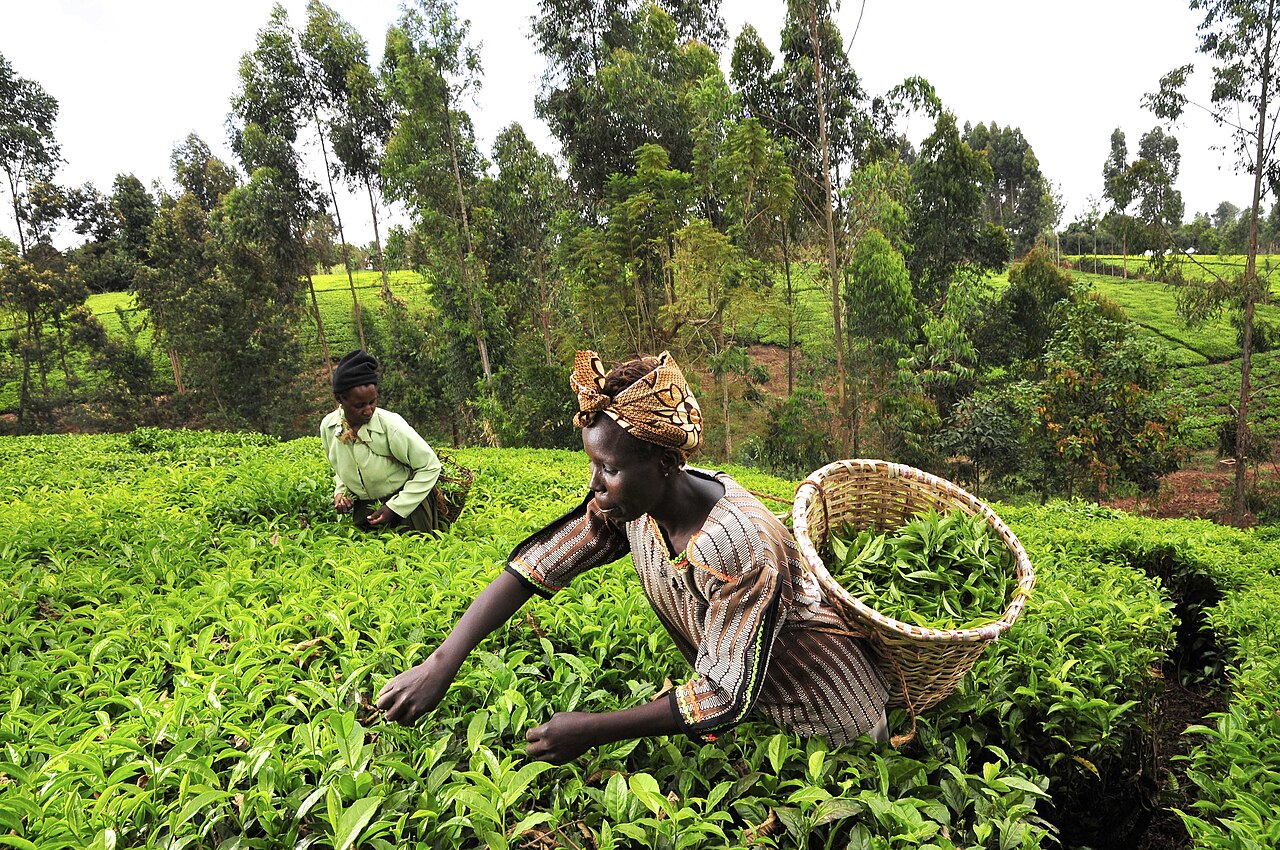
Marla Naidoo, the alliance's relationship manager for Africa and the Middle East, said falling macadamia prices are pushing some farmers to rethink their practices and input costs, and that farmers already using better practices can help others scale up. She described a family-owned tea farm in Malawi, visited the week before, where El Niño had hit so hard that the factory closed; the farm tried to keep its workers by sharing the available work among them. "In order for certification to be sustainable, we have to invest in landscape programmes in order to make sure that farmers are supported adequately," she said.
Julius Nganga, senior director of programmes, said protecting farm landscapes needs farmers, communities, government and others working together, because what happens upstream affects water, farming and power generation downstream. Under the Mount Kenya Sustainable Landscape and Livelihoods Programme, running since 2020, the alliance works with stakeholders to manage natural resources around a mountain that supplies water to farms, towns and hydroelectric dams. Soil eroding from tea and coffee farms can silt up those dams and cut their capacity, he said, and people in Nairobi also depend on the landscape for water and electricity.
Nganga said farmers need money upfront to put sustainable practices in place, and that the alliance works with financial institutions to help them get it. Tina Lippstreu, its communications leader, said sustainability claims must be backed by evidence and independent verification to prevent greenwashing, and named agroforestry, keeping trees, mulching, ground cover and climate-resilient varieties as practices that protect soil and hold moisture.
Food for Mzansi's Vateka Halile reported the roundtable.
Photo: CIAT (Neil Palmer) / Wikimedia Commons (CC BY-SA 2.0)
Source: Food for Mzansi

Comments
(0)