
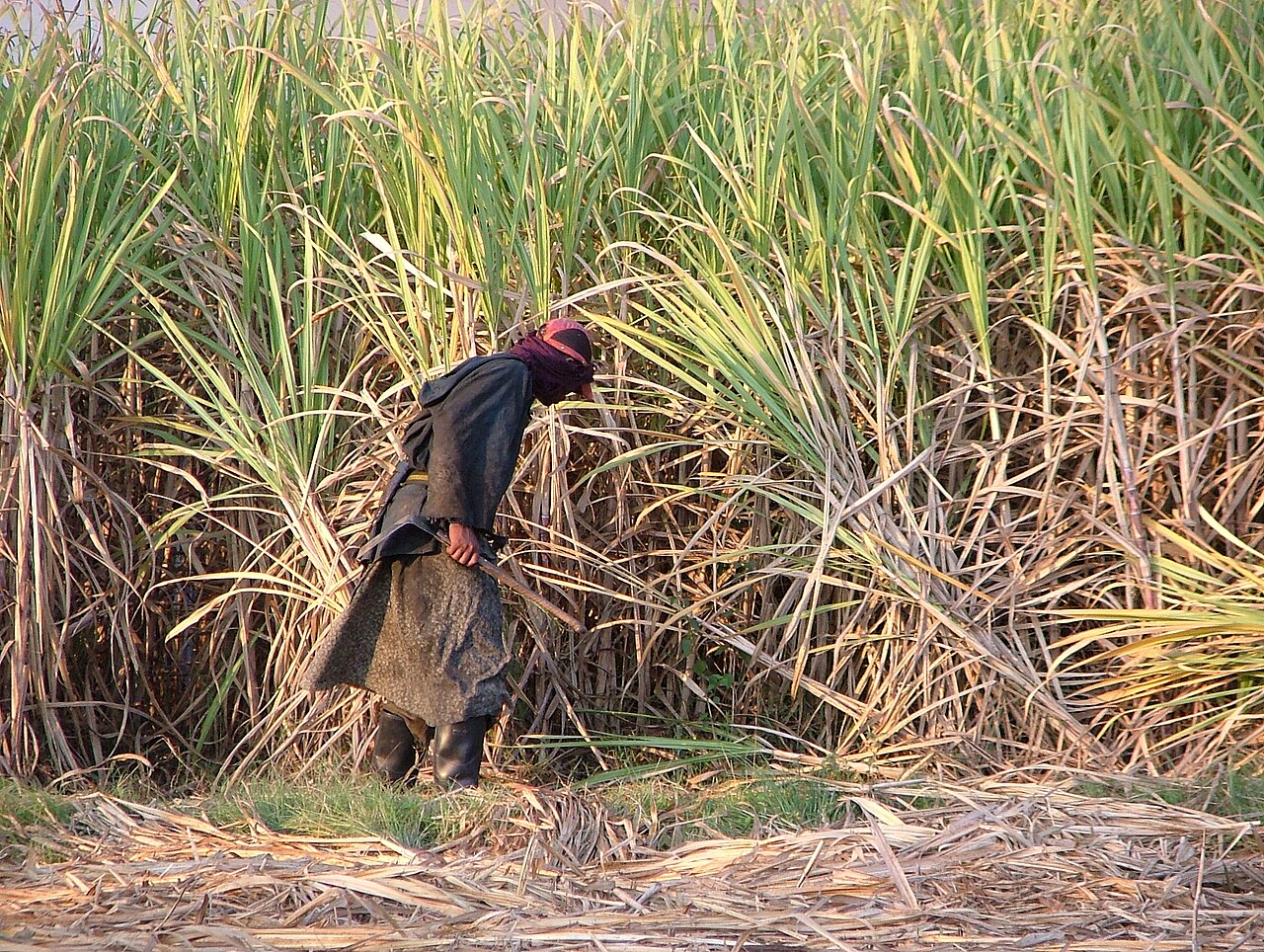
Small-scale sugarcane growers in KwaZulu-Natal told the Sugarcane Development Transformation Dialogue at KwaShukela in Mount Edgecombe, Durban, on Thursday that funding that arrives quickly has let them replant, mechanise and create jobs, and that they are ready to do more. The meeting broadly agreed that the industry will miss its 2028 deadline for its 51% transformation target.
In a panel led by Makho Gxumisa of Safda Financial Services, four growers supported by the South African Farmers Development Association (Safda) and Kagiso Trust described the change. Thandiswa Ndlovu, 23, director of Bongza Farming & Engineering and the youngest grower in the programme, said her 85-hectare farm had low yields before the support; she has since replanted and restructured it and expects yields to rise this season. Many neighbours who knew nothing about farming now work on it. "Employment was created, jobs were created, and they had to learn the skill of everything involved," she said.
Bongani Sambo of Ikhwezi Agro Holdings, who moved his family's business from vegetables into sugarcane after joining it in 2018, said the difference was speed. When a partner's problems left the business unable to reach its funds just after harvest, Safda's support came within a week. He also used Safda's mechanisation services to establish cane on newly acquired land and to repair the farm's roads.
Nolwazi Zaca, project manager of Isivuno Somzali Primary Co-operative, said her village's cane project had collapsed years ago until her father set out to revive it and neighbours asked to join. It has grown beyond its first 50 hectares, and jobs have been created despite high diesel costs. "This 51% is going to be made possible if you allow us to work with you. As small-scale growers, we are hungry," she told the room.
Zethembiso Maphumulo of Mganu Afrika said a strike in August hit production, and that most growers' problems are about money before they are operational: without cash flow they cannot plant on time, mechanise or test their soils. He asked that the programme reach more growers, whatever their size.
Others in the industry set out the wider picture. Quinton Naidoo, head of socio-economic development at Kagiso Trust, showed a development pipeline of about 46,000 hectares across several catchments. Andrew Cochrane, agricultural executive at Illovo Sugar South Africa, said earlier models in which millers planted cane for growers had lost money; Illovo now supports about 3,000 hectares of small-scale cane. Commercial farmers replant 10% to 12% of their cane each year, he said, but small growers often cannot afford the lost income, and he proposed replanting grants that require recipients to save 10% of each grant. Sharryn Usher of SA Canegrowers said funded projects will now be tracked from start to finish so the money reaches growers.
The same dialogue heard the industry's case for up to R1 billion in blended finance, reported here on 28 November. Food for Mzansi's Ivor Price reported the growers' panel.
Photo: Marius140% / Wikimedia Commons (CC BY-SA 4.0)
Source: Food for Mzansi

Comments
(0)