
CropLife India, which represents 17 research-based pesticide companies, has renewed its demand for regulatory data protection, saying its absence is delaying newer crop protection molecules that basmati farmers in Punjab and Haryana need to meet stricter residue limits abroad. The issue was raised at an event in Chandigarh attended by Prof. B.R. Kamboj, Vice Chancellor of Chaudhary Charan Singh Haryana Agricultural University, and Rajvir Rathi, Vice Chairman of CropLife India.
Indian farmers have access to about 390 crop protection active ingredients, against around 1,200 available worldwide, according to the industry body, which says the gap limits their ability to deal with new pest and disease problems while meeting export rules.
Prof. Kamboj said international markets, Europe above all, are tightening residue limits; Europe has cut the permissible level for some older chemicals to 0.01 mg per kg, which is very hard to detect. Changing pest and disease patterns are also making some commonly used chemistries less effective, he said.
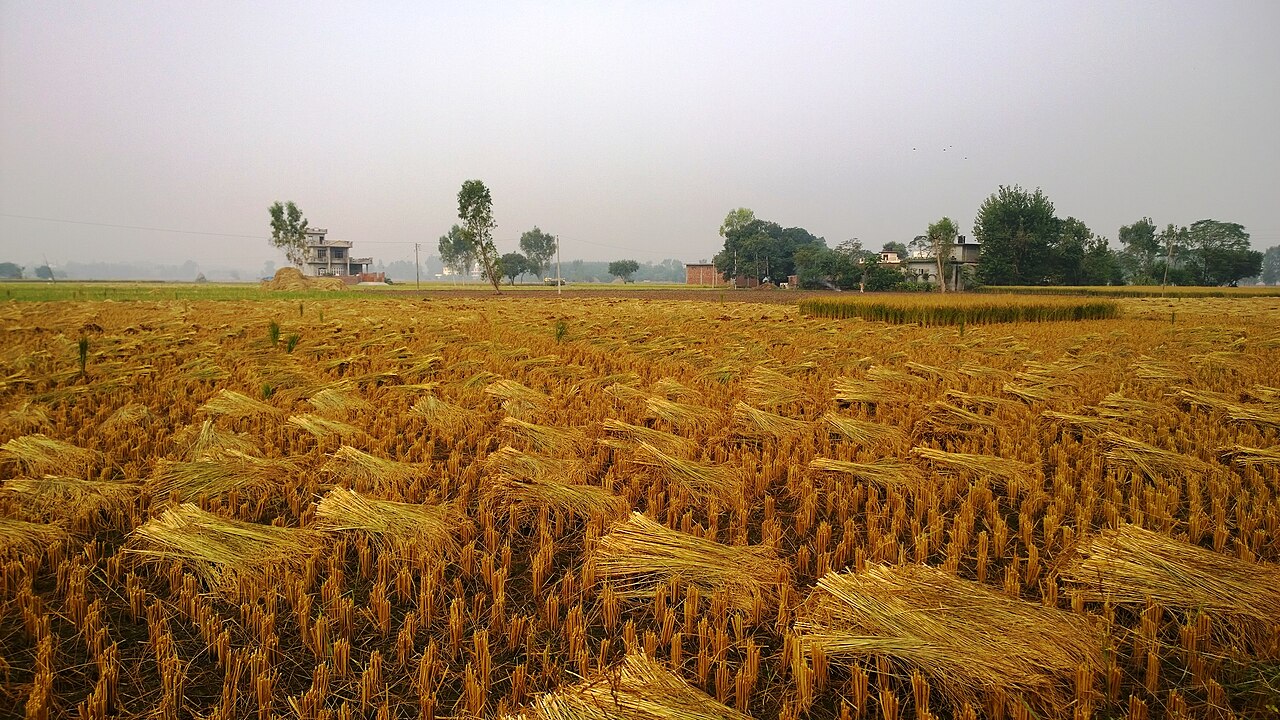
The stakes are high for the two states, which grow nearly 75% of India's basmati. The crop is mostly exported, about 70% of it to West Asia, which makes higher-value markets such as Europe important. Europe rejected 52 Indian rice consignments in 2025 over regulatory concerns, and Lebanon adopted European residue limits for rice this year; experts at the event fear other importers could follow.
Developing a new molecule takes six to eight years of research and safety studies and an investment of Rs 40-50 crore, the industry says. Without data protection another company can use the original registration data to win approval for the same molecule within a year. Rathi repeated the demand for five years of protection, through amendments to the Insecticides Act, 1968, or the proposed Pesticides Management Bill.
CropLife India points to China, which gives six years of data protection, and the US, the European Union and Brazil, which give ten; India has none. The protection it seeks would cover only safety data and would not affect pesticides already on the market, and other companies could still register by producing their own studies. The industry body argues that newer molecules control pests more precisely and work at much lower doses. Rural Voice reported the event.
Photo: Tanta.dpk / Wikimedia Commons (CC BY-SA 4.0)
Source: Rural Voice



Comments
(0)