
Finless Foods, a California company that grows bluefin tuna meat from fish cells instead of catching the fish, has signed a three-year agreement with a South Korean regional technology agency to explore making its cultivated seafood in Uiseong County, in North Gyeongsang Province. The memorandum of understanding with the Gyeongbuk Technopark was signed on 26 November 2026 at the International Food Sustainatech Symposium in Seoul, and the technopark's own announcement was published by Asia Economy on 27 November and by several other Korean outlets.
The deal is a first step, not a factory. Protein Production Technology International (PPTI), a trade magazine, describes the memorandum as non-binding; the facility terms, cost sharing, intellectual property, production volumes and timetable are all left for later agreements, and the research centre at the heart of the plan is still being built. Finless's tuna has not been cleared for sale anywhere, and the company says it expects a decision from the United States Food and Drug Administration (FDA) in 2027. What it does show is how South Korea is using public land, shared equipment and a regulatory special zone to draw lab-grown meat and seafood companies to one rural county.
What Finless Foods and Gyeongbuk Technopark agreed in Seoul
According to the technopark's announcement, as published by Asia Economy, the two sides will work together in four areas: putting the Uiseong Bio Food Valley and its new Food Tech Research Support Center to use; demonstrating and scaling up production processes for cell-cultured food; building networks with foreign companies and carrying out joint research; and finding government support projects, including those under the cell-cultured food regulation-free special zone. The technopark said it would lend the 225,844-square-metre valley's infrastructure and technology to help Finless test its process and build mass production, and would jointly seek FDA approval and a route to export to the United States.
The signing was done by proxy. Okjae Koo, a member of the Finless board who works at the South Korean company Hanwha Solutions, signed as the authorised signatory for chief executive Brandon Chen, while Kim Eun-mi, head of the technopark's bio-industry development office, signed for the Korean side.
"The value of this agreement is that it gives Finless Foods a path to scale up production in Uiseong while helping Gyeongbuk develop an export-oriented business model around its local infrastructure," Koo said, in a statement quoted identically by Green Queen and PPTI. Chen said: "Following our co-manufacturing and ingredient partnerships in Europe, this bilateral collaboration provides Finless Foods with a strategic operational base in Asia to explore production scale-up, leverage state-of-the-art facilities at Uiseong Bio Food Valley, and explore bilateral supply and export pathways."
Kim, in the Korean announcement, said the technopark would fully support Finless's technology demonstration and commercialisation to make North Gyeongsang a core hub of the future food industry (the desk's translation).
Two points matter. The Korean release speaks of cell-cultured seafood in general and names no species; the bluefin tuna framing comes from the company. And PPTI notes that "a production commitment or US supply agreement would require a separate deal". In plain terms, the memorandum lets Finless study Uiseong's facilities and talk terms, and gives the province an American name for its new cluster.
Uiseong's cell-cultured food zone and its research centre
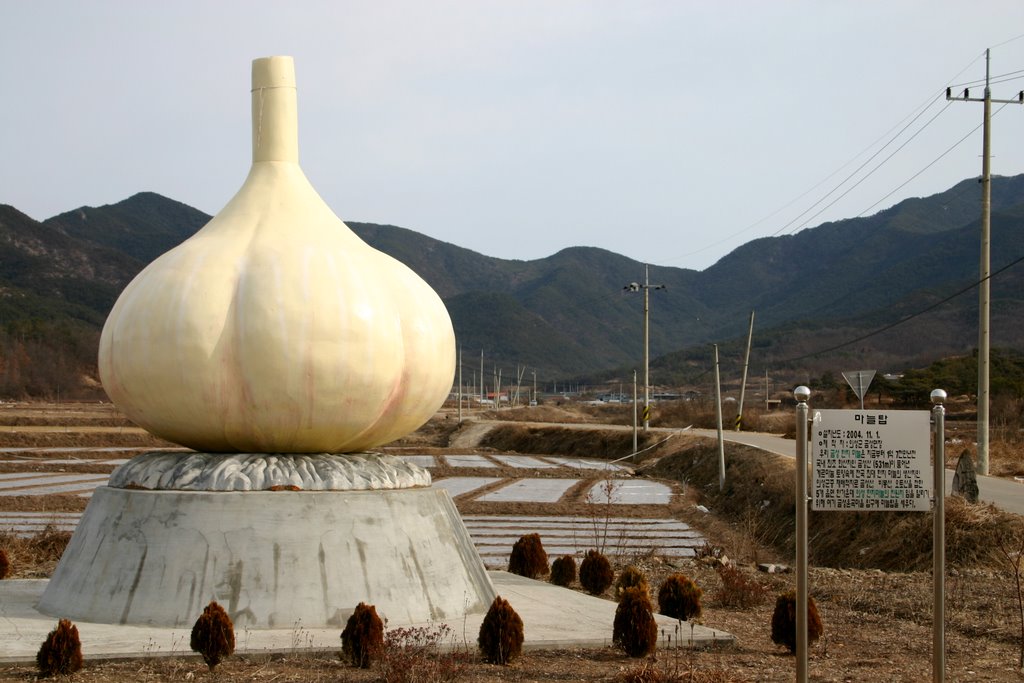
Uiseong is a rural farming county best known for its garlic, not an obvious place for biotechnology. Its role comes from a national policy decision. Asia Economy reported on 3 March 2025 that the county had been designated a cell-cultured food regulation-free special zone by the Ministry of SMEs and Startups in April 2024; PPTI, citing the provincial government, says the zone runs until December 2028 and allows trials of the whole process, from taking cells to making the finished product. (Green Queen wrote that the zone was created by the "federal government"; South Korea has no federal government, and the designation came from the national ministry.)
On top of the zone sits the Food Tech Research Support Center that Finless now wants to use. The same Asia Economy report said Uiseong won a Ministry of Agriculture, Food and Rural Affairs competition for the centre, with a total budget of 14.5 billion won, including 5.25 billion won of national money. The building is planned at 2,663 square metres over three floors inside the Uiseong bio valley industrial complex, with cell culture equipment for food, a pilot production plant, commercialisation support and training, and the technopark is named as its operator. According to the province, as reported by PPTI, the valley itself was completed on 6 November 2026 and construction of the research centre started the same day; Green Queen says it is due to open in 2027.
Finless is not the first company to sign up. On 6 November, the Korean start-up SeaWith signed an agreement with the province and the county covering a planned investment of 20 billion won, which PPTI converted to US$14.7 million (our 11 November report and Green Queen used about US$15 million). PPTI reports that SeaWith plans three 2,000-litre bioreactors in the new centre by 2027, with a planned capacity of about 400 tonnes a year, and commercial production depending on regulatory approval. That is the scale being discussed in Uiseong: pilot and early commercial lines, not industrial seafood plants.
How cultivated tuna is made, and where Finless stands
Cultivated seafood starts with a small sample of fish cells, which multiply in a nutrient broth, called growth media, inside sterile tanks known as bioreactors, and are then harvested and formed into a product. Finless's own website says its co-founder and chief science officer Brian Wyrwas established "proprietary cell lines for high-value marine species like Pacific bluefin tuna", and PPTI reports that the company is developing its bluefin for uses including sashimi, and is also exploring marine collagen peptides as a second product.
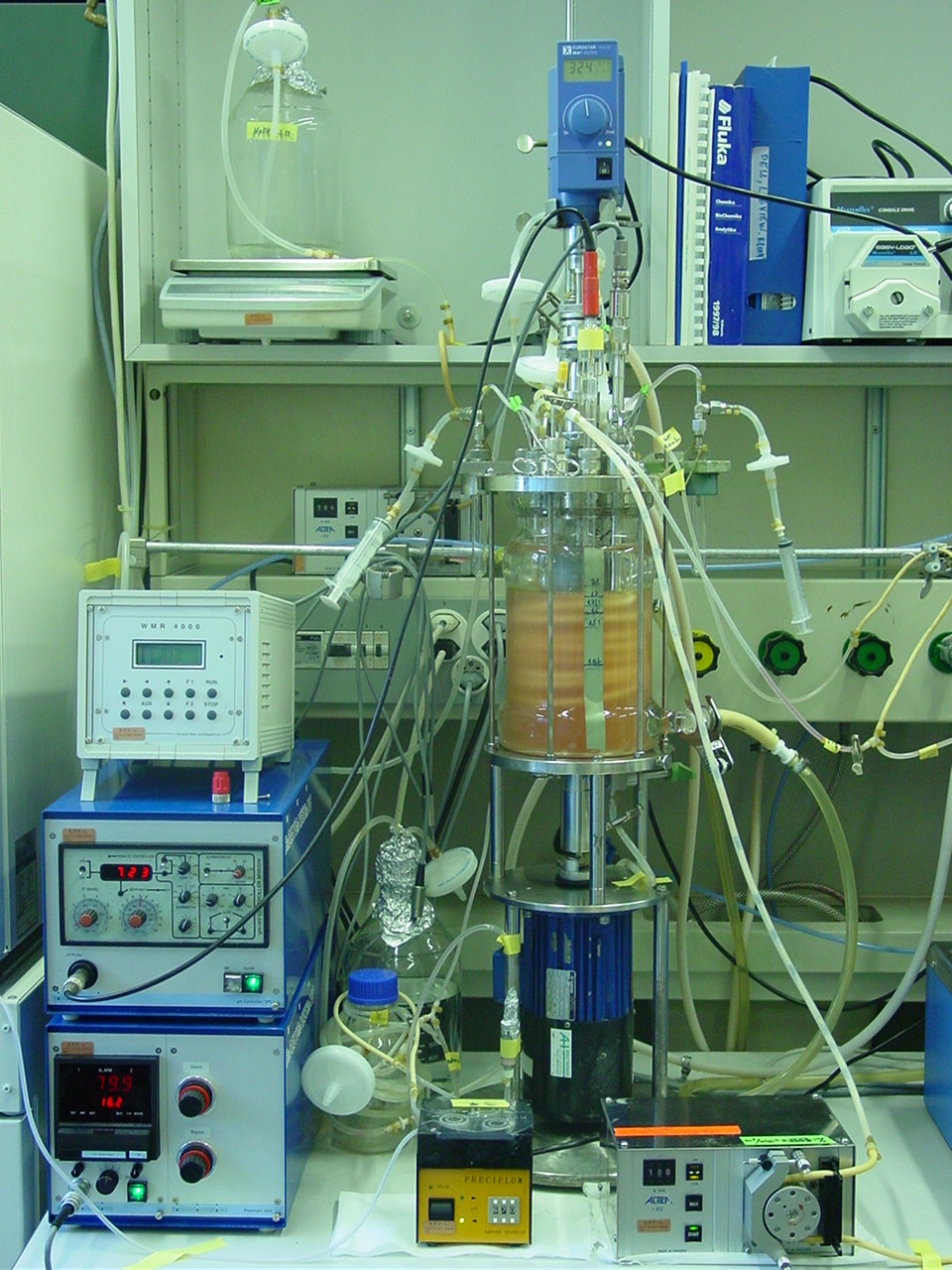
The hard part is growing cells cheaply in large tanks, which is why Uiseong's shared equipment matters. PPTI describes Finless as running a business-to-business model in which it spends its own money on cell banking, process improvement and regulatory approvals, and relies on partners for manufacturing. It lists a co-manufacturing partnership with Cultivate at Scale in the Netherlands, a commercial agreement with Nutreco for cell culture media, and membership of Portugal's Hub Azul blue economy network. Koo, in a further remark carried by Green Queen, called it an "asset-light virtual biomanufacturing model".
On the regulatory side, Green Queen reports that Finless "has already filed a regulatory dossier for its cultivated tuna in the US, and anticipates the green light from the Food and Drug Administration (FDA) in 2027". That date is the company's expectation, not an FDA schedule. The desk found no public record of the submission.
Why bluefin tuna, and what the stock data say
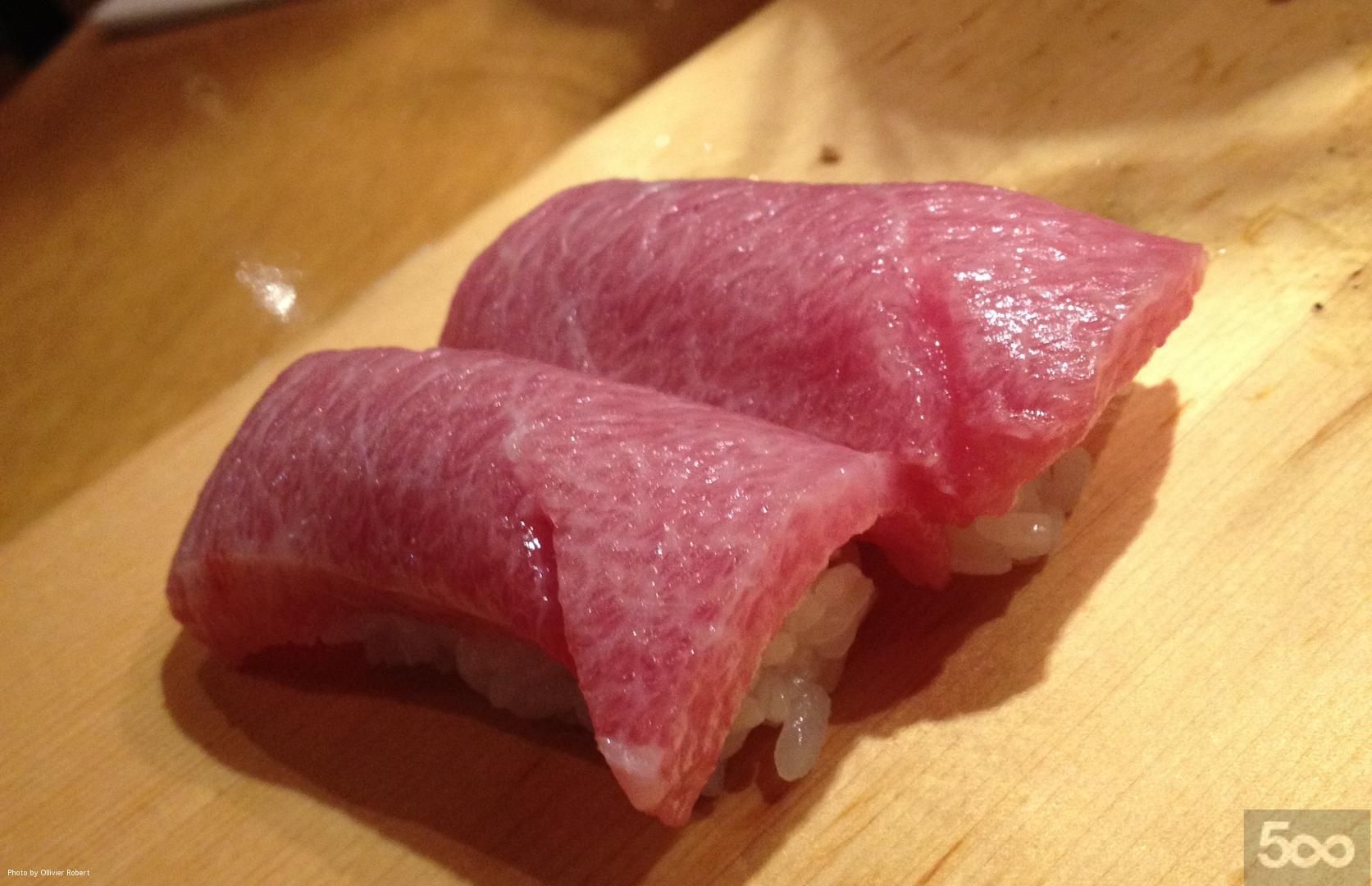
Finless chose bluefin because it is rare, expensive and loved by sushi diners. Green Queen, quoting the company, says Pacific bluefin "comprises less than 1% of global tuna catch, and has suffered a 96% decline in supply over the last century". The first part is broadly in line with official numbers: the United Nations Food and Agriculture Organization (FAO), in its State of World Fisheries and Aquaculture 2024 report, says the main commercial tunas produced 4.95 million tonnes of catch in 2021 and that all three bluefin species together accounted for just 1 per cent.
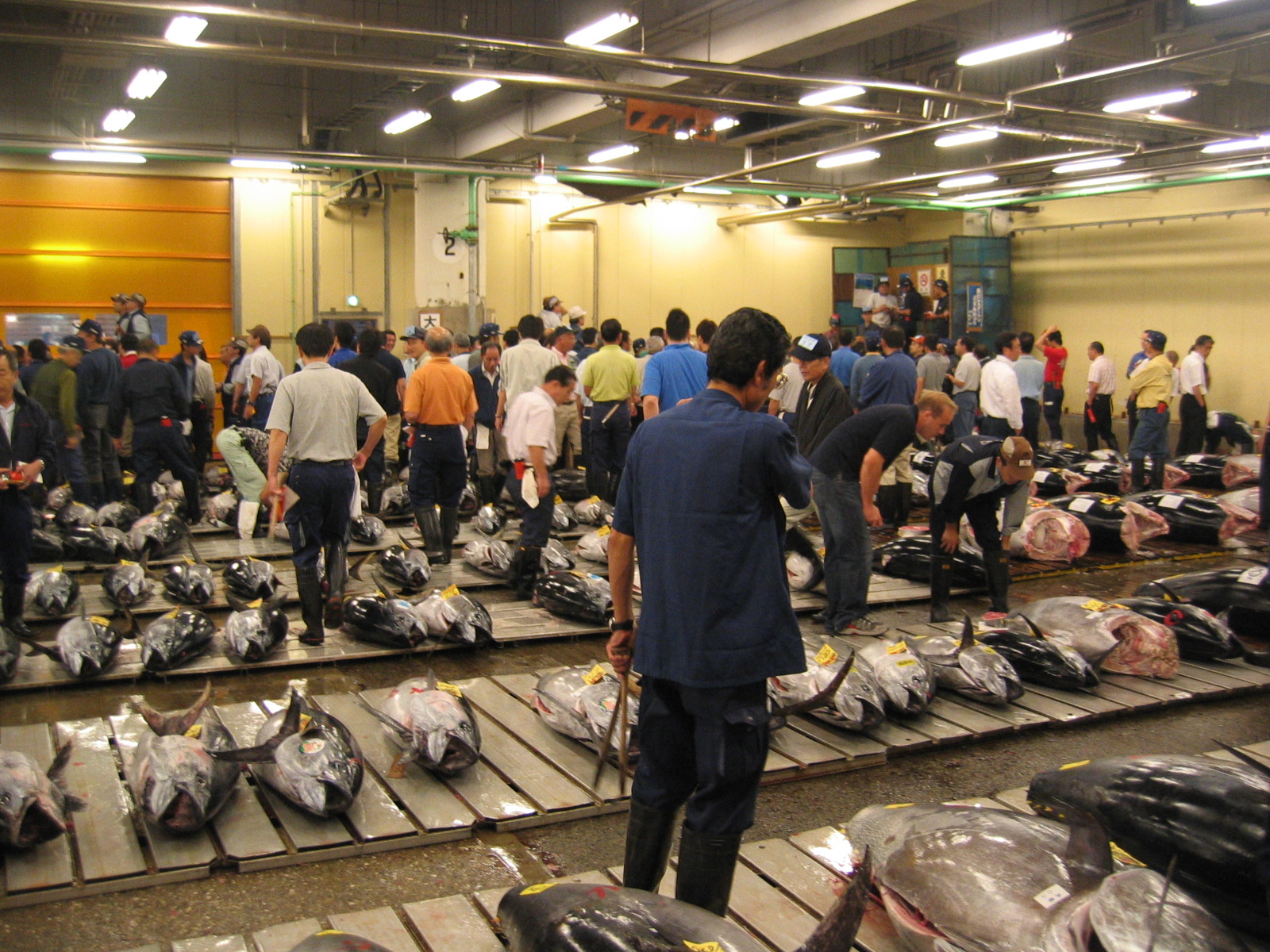
The second part needs context. The United States National Oceanic and Atmospheric Administration (NOAA) said in a feature published on 25 June 2024 that overfishing in the late 1990s and 2000s had pushed Pacific bluefin to a historic low of about 2 per cent of its potential unfished spawning stock in 2009 to 2012. But the same feature reported that, after catch cuts agreed from 2011 by the two Pacific tuna commissions, the spawning stock had reached 23.2 per cent of its unfished level by 2022, passing the 20 per cent rebuilding target that had been set for 2034, about a decade early. NOAA called it "a fisheries management success". NOAA said this was the first time the stock had passed the level associated with maximum sustainable yield. On the data to 2022, then, the wild fish Finless wants to replace has recovered strongly from its low, which weakens the conservation argument somewhat, even if the supply of the highest grades remains small and costly.
FAO's broader picture of tuna is also more positive than many readers assume. Its 2024 report says 87 per cent of tuna stocks are sustainably fished and that 99 per cent of the catch comes from stocks that are healthy in terms of abundance, the rest coming from overfished bluefin stocks and one albacore stock. The case for cultivated bluefin therefore rests more on price, supply and quality than on an empty ocean. Rivals are chasing the same prize: Green Queen notes that BlueNalu in California raised about US$11 million in January and awaits approval in the United States and Singapore.
A slow road to approval in Korea and the United States
Cultivated tuna made in Uiseong would need food safety approval before it could be eaten in Korea or sold in the United States, and both countries' records show this takes years.
In the United States, the FDA publishes an inventory of completed pre-market consultations for food made from cultured animal cells. The recent entries the desk read on 29 November list cultured chicken, cultured pork fat (March 2025) and one seafood: cultured coho salmon cells from Wildtype, a San Francisco company. Wildtype's final submission is dated June 2022, and the FDA's response letter is dated 28 May 2025, nearly three years later. That is the closest precedent Finless has, and it suggests that an FDA answer in 2027 is possible but far from guaranteed.
South Korea, on official figures to mid-2026, had cleared nothing. Its food safety ministry opened a route to approve cell-cultured food ingredients in February 2024, as part of its rules for temporary food standards. According to ministry data obtained by National Assembly member Nam In-soon and reported by Medical World News on 21 October 2026, only two applications had been filed by July 2026, and none had been approved. The first, for cell-cultured material from a species of red shrimp, was filed on 1 April 2024 and had been under review for 869 days by 18 August, with the company still supplying more data; the second, for beef cell culture, was filed on 28 November 2025. The ministry's processing period is 270 days, but time spent supplying extra data is not counted, and the application fee alone is 45 million won, 15 times the fee for an ordinary new food ingredient. Nam said the cost and uncertainty might be acting as a barrier for start-ups and small companies.
That is the environment in which Finless and the technopark are exploring exports to the United States. Uiseong's special zone lets companies run the whole process for trials; it does not, by itself, approve any product for sale.
A company rebuilding after hard years
Finless was one of the first cultivated seafood companies. Its website says Michael Selden and Brian Wyrwas founded it in 2017, and that it produced the first cell-cultured fish meat eaten by a person that year. AgFunderNews reported on 5 February 2024 that the company had raised US$48 million in total, including a US$34 million Series B in March 2022 led by Hanwha Solutions, to fund pilot-scale production of cell-cultured bluefin and to launch a plant-based tuna that could bring in money before approval.
The years since were difficult. The same AgFunderNews report described a fresh round of departures after layoffs in April 2023, as funding for cultivated meat dried up, and quoted an unnamed food-technology investor saying Finless "has struggled to raise capital for some time". The company's website now lists Brandon Chen, its chief technology officer from 2019 to early 2025, as chief executive, and Selden, chief executive until early 2025, as an adviser. Green Queen reports that Finless recently closed a crowdfunding round of just over US$81,000, a small sum for a biotechnology company, and that Hanwha Solutions and Japan's Dainichi Corporation are investors that have signed deals to widen its access to Asia.
Read against that history, the Uiseong agreement fits a pattern: Finless is building a network of partners who own tanks, media and buildings, so that it need not finance a factory of its own. Whether that can deliver bluefin at a price restaurants will pay, none of the documents says.
What cultivated seafood means beyond the sushi counter
For most of the world's fish eaters, bluefin sashimi is far from daily life. Tuna in general is different. FAO's 2024 report estimates that tuna and tuna-like species account for at least 15 per cent of the world's small-scale fisheries catch, and warns that many smaller tuna stocks are assessed with high uncertainty or not at all. A cultivated product aimed at luxury sushi bars will not change that picture soon; its first customers, by Finless's own plan, are sushi restaurants in the United States, with Japan, South Korea, Singapore and Europe to follow.
Bangladesh illustrates the gap. In its national report to the Indian Ocean Tuna Commission's scientific committee in November 2024, the Department of Fisheries wrote that "there is no specific tuna fishery in Bangladesh"; tuna and tuna-like fishes (the report adds "mackerels") are caught as bycatch, making up about 3.83 per cent (5,597 tonnes) of the industrial catch and 1.77 per cent (9,454 tonnes) of the artisanal mechanised catch in 2022-23. The department said a pilot project had been launched to explore tuna from Bangladesh's waters and the high seas. For a country still trying to build a tuna fishery, a lab-grown bluefin made in Korea is not a competitor, and Finless has named no plan for South Asian markets.
The more useful lesson for developing countries may be the Korean model itself: a province putting public money into shared bioreactors, training and a legal trial zone, and inviting companies in. The Korean figures also show its limits. Public infrastructure can move faster than food safety reviews, and on the ministry's figures to mid-2026, more than two years after the rules opened, Korea had approved no cell-cultured food ingredient.
What would show the Uiseong agreement is working
The memorandum runs for three years, past the research centre's planned opening in 2027 and beyond the special zone's current end date of December 2028. Within that window, several things would turn a signing ceremony into evidence. The first is a definitive agreement on what work Finless will do in Uiseong, who pays and who owns the results. The second is an FDA decision on Finless's bluefin, which would follow Wildtype's salmon. The third is Korea's first approval of any cell-cultured food ingredient.
Until then, the honest reading is narrow. A cultivated seafood pioneer that has struggled to raise money has found a public partner in Asia willing to share facilities, and a Korean province has added another named company to its new cluster. No tuna has been produced in Uiseong, Finless has no product approved in either Korea or the United States, and the commercial terms are still to be written. The agreement is worth watching as a test of whether shared public infrastructure can bring cultivated seafood to market faster than private factories, which many cultivated meat companies have found hard to finance.
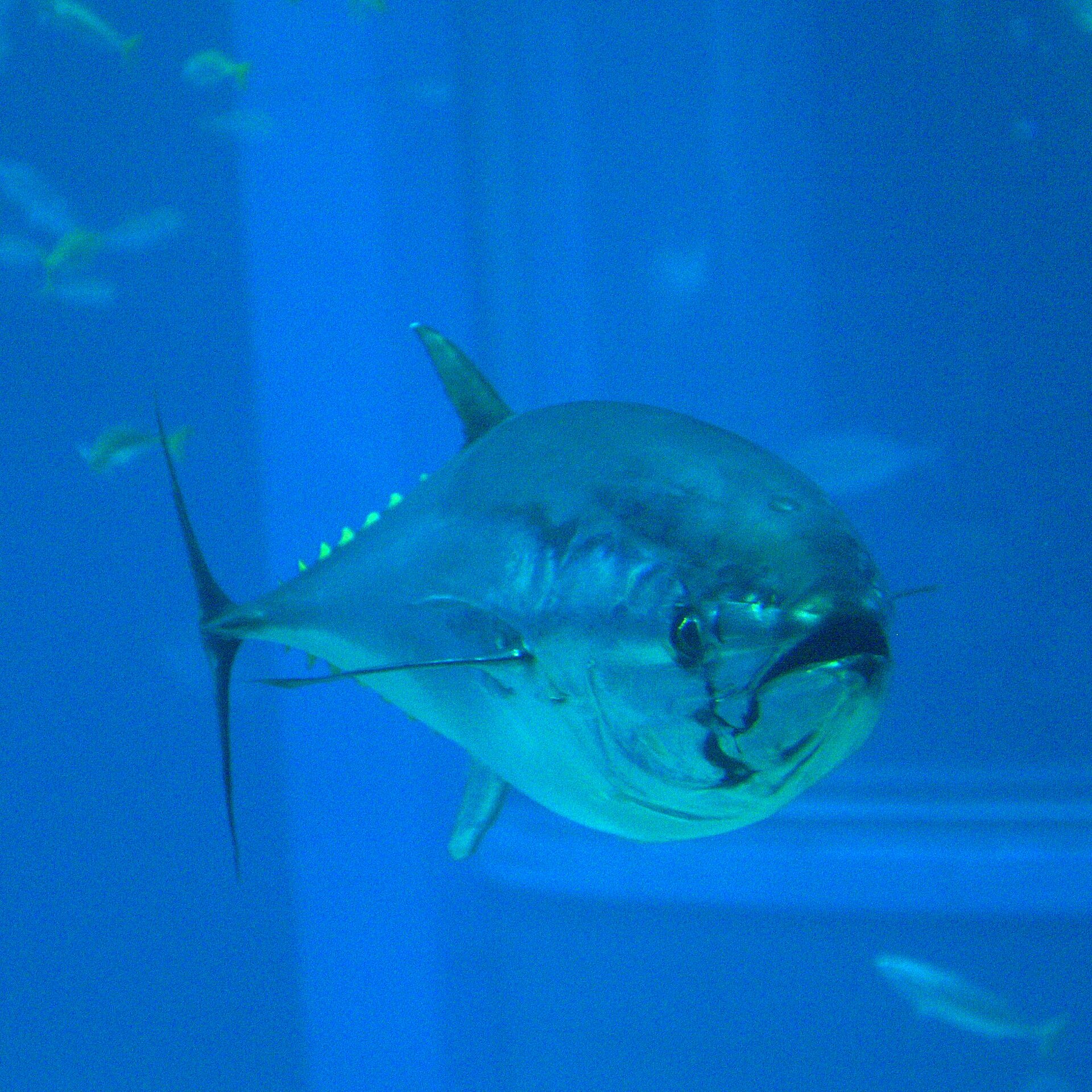
Photo: OpenCage / Wikimedia Commons (CC BY-SA 2.5). The top picture shows a Pacific bluefin tuna (Thunnus orientalis) swimming at the Osaka Kaiyukan Aquarium in Japan, photographed in 2007, as background.
Comments
(0)