
Aqura Systems, a young Scottish aquaculture technology company based in Aberdeen, has raised £2.1 million to develop MIAbot, an AI-powered robot meant to warn salmon farmers about harmful algae in the water before their fish start to die. The round was led by Archangels, a Scottish angel investment syndicate, alongside Scottish Enterprise, the Scottish Government's economic development agency, and the company has appointed Charles Høstlund, a former chief executive of Norway Royal Salmon, as its chair. The news was first reported on 25 November 2026 and set out in full in a Scottish Enterprise release dated 27 November.
According to the release, MIAbot is a fully automated robotic platform that combines an imaging system with Aqura's AI engine to identify microorganisms in the water to species level, measure how many there are, and record the depth and other water quality readings at several points on a farm. For now it looks only at phytoplankton, the microscopic algae that make up algal blooms; micro jellyfish, sea lice and amoebae are described as "in the pipeline". Aqura says pilot schemes are under way with major salmon farming companies in Scotland, but it has not named them, published accuracy figures, set a price or given a launch date. This is a funding round for a product still being tested, not the result of one.
What MIAbot is meant to do on a salmon farm
The problem Aqura is aiming at is old. Farmed Atlantic salmon spend the second half of their lives in open net pens in coastal water, breathing whatever drifts through. When certain species of phytoplankton multiply quickly, the fish can suffer gill damage, stop feeding and, in the worst cases, die in large numbers within days.
Today, the release says, farms watch for this with "a laborious, sporadic and often inaccurate sampling process that relies on microscopes". A worker takes a water sample, puts a drop under a microscope, identifies and counts what is there, and decides whether to act. Aqura's pitch is that a robot can do the same job continuously, at different depths and in several places on the same site, and report a live, species-level picture to the farm manager's screen.
The company says that would let farmers "take preventative rather than restorative action to protect fish health". Høstlund put the case more sharply in the release: "Harmful algal blooms are one of the most costly and least predictable risks salmon farmers face, in Norway just as much as in Scotland, and too often the first real warning comes from the fish themselves." He said he was drawn to a team "building something farmers can act on: live, species-level information from throughout the water column and across the whole site".
The release does not say how the robot samples water, how often, how it copes with fouling in salt water, or how many species its AI can recognise. Those are the questions on which a monitoring device succeeds or fails at sea, and none has a public answer yet.
Why a bloom of microscopic algae can kill caged salmon
Phytoplankton are the base of the marine food chain, and almost all of them are harmless. A small number of species are not. A project case study published by the Sustainable Aquaculture Innovation Centre (SAIC), a Scottish industry research body, sets out the main ways they harm fish: some produce toxic compounds, others damage gill tissue physically, and dense blooms can strip oxygen from the water. The type of damage depends on the species and on how many cells are present.
The same case study explains why timing matters so much. Feeding during a bloom makes things worse, because fish rise to the surface where plankton is often densest, and their oxygen demand climbs as they feed, so they draw even more plankton across their gills. The standard responses are to stop feeding and to switch on bubble curtains or aeration systems that push cleaner, deeper water up around the pens. Those measures help only if they start early.
The SAIC study also describes the traditional check in plain terms: once a day, farm staff test water samples under a microscope for certain species. Its authors listed the weaknesses: the check happens only once or twice a day, from a single point, results vary with the person reading them, and the work is slow. Laboratory flow cytometers, which count and image cells automatically, are accurate, the study says, but "prohibitively expensive and complex", and their data are usually processed afterwards rather than live.
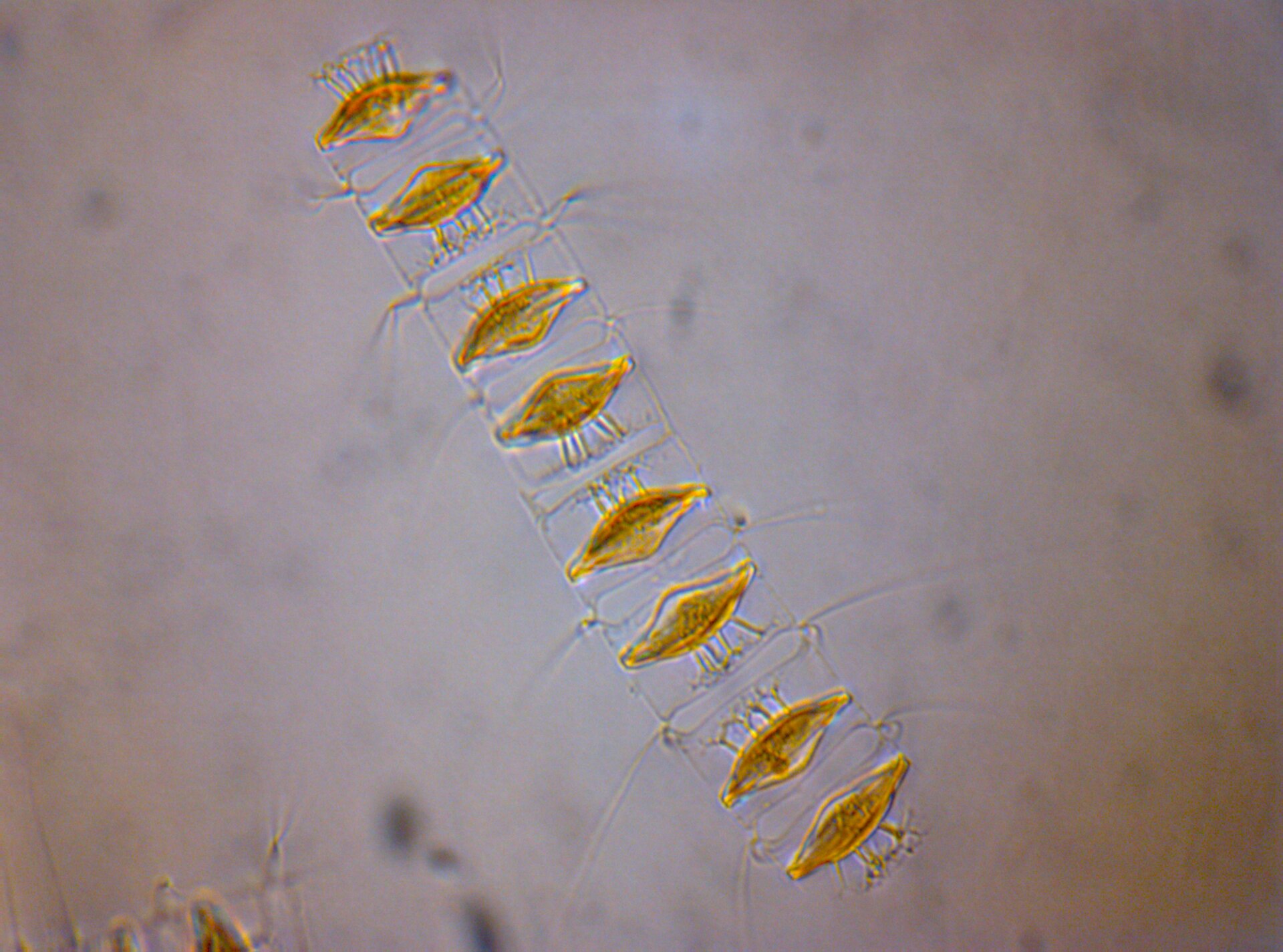
That gap between a daily microscope check and a bloom that can build within hours is what Aqura and a handful of other companies are trying to fill. The science is not in doubt. In a 2010 paper in the Journal of Phycology, Campbell and colleagues described how an Imaging FlowCytobot, an automated underwater microscope installed at Port Aransas, Texas, in September 2007, picked up a bloom of the toxic dinoflagellate Dinophysis in early 2008 while researchers were watching for a different species. It was the first harmful Dinophysis bloom recorded in the United States. What has been harder is making such instruments cheap and robust enough for a working fish farm.
The losses in Norway and Chile behind the pitch
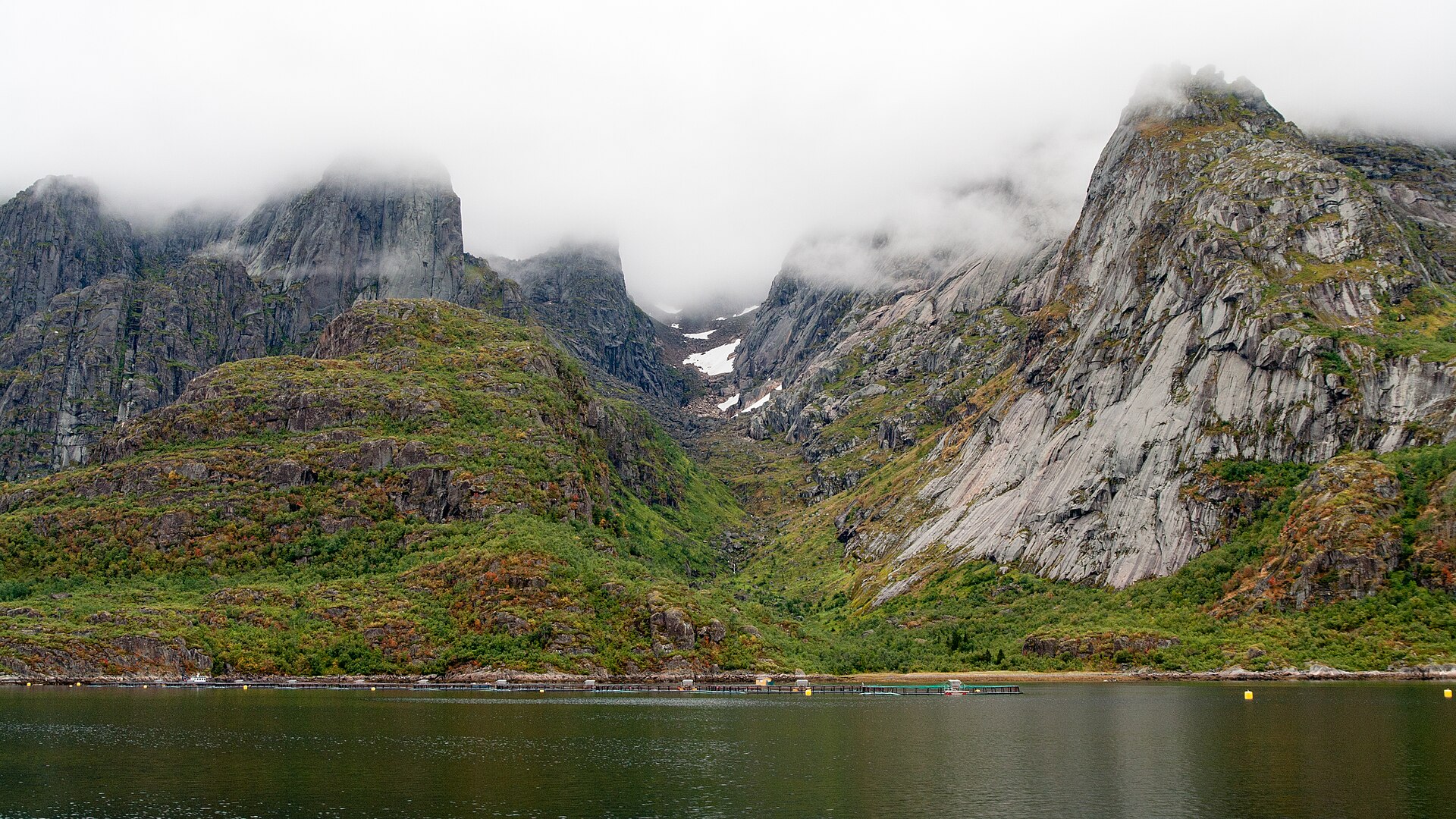
The size of the risk explains why investors are interested. In May and June 2019, a bloom of the haptophyte alga Chrysochromulina leadbeateri spread through fjords in northern Norway. A study in the journal Harmful Algae in October 2022 by Uwe John of the Alfred Wegener Institute and colleagues described a massive fish-killing bloom in Vestfjorden, in the Lofoten area, and further north near Tromsø, which killed at least 14,500 tonnes of farmed salmon in Nordland, Troms and Finnmark counties, a figure the authors take from an earlier assessment by Samdal and Edvardsen. The same species had first been reported killing farmed fish in Lofoten and Vestfjorden in late May 1991.
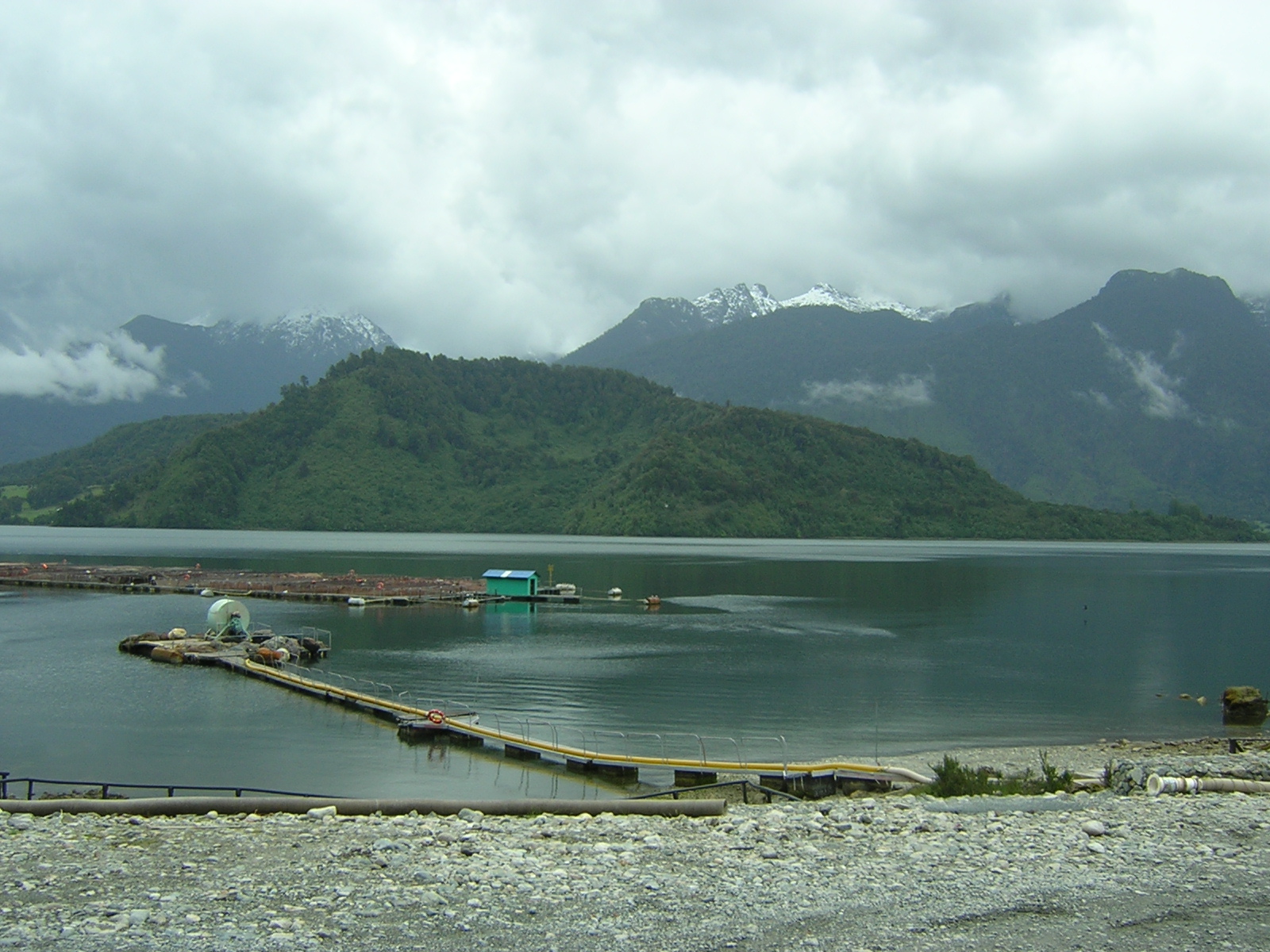
Chile's salmon farms suffered worse in 2016. A bloom of the microalga Pseudochattonella verruculosa in March of that year hit salmon farms in the fjords and channels of the south. A 2019 paper in Frontiers in Marine Science by Jorge Mardones and colleagues, citing an earlier assessment by Clément and co-authors, put the losses at 100,000 tonnes of Atlantic salmon, coho salmon and trout, equal to an export loss of US$800 million and about 15 per cent of Chile's yearly production. Other accounts of the same event give lower tonnages, but all describe it as the worst harmful algal bloom in the country's history. The 2021 global review discussed below notes that the loss "led to major social unrest" in the region.
Scotland has had its own losses to blooms. Writing in May 2022, The Fish Site reported that harmful blooms in Scottish waters are typically less frequent than in Chile and Canada but harder to predict. That unpredictability is exactly what Aqura's founders are selling against.
What fish-killing blooms have cost farms in Asia
Harmful algal blooms are not only a salmon problem, and the most useful global picture comes from the first Global Harmful Algal Bloom Status Report, coordinated by UNESCO's Intergovernmental Oceanographic Commission. Its main findings were published in 2021 in Communications Earth and Environment by Gustaaf Hallegraeff, Donald Anderson and colleagues, who analysed bloom records from 1985 to 2018.
Their conclusion was more careful than the usual headlines. Once the data were adjusted for how much monitoring each region does, they found no uniform global trend in the number of harmful algal events. The perceived global increase, they wrote, is largely explained by more monitoring, which itself grew with aquaculture. Over the period studied, aquaculture production rose 16-fold, with the largest increases in East Asia and in Latin America and the Caribbean, and the number of recorded bloom events was significantly correlated with aquaculture production in every region with suitable data.
The review also lists what fish-killing blooms have cost farms in Asia: US$71 million in Japan in 1972, US$70 million in Korea in 1995 and US$290 million in China in 2012, and notes that the dinoflagellate Karlodinium australe killed 50,000 caged fish in Malaysia in 2014. Finfish farms, it says, "can take many years to rebuild after mass mortalities". The authors also caution that the mere presence of a fish-killing species does not predict economic loss, because much depends on where a bloom sits relative to the farms.
Who is behind Aqura Systems, and what £2.1 million buys
The release calls Aqura a "scale-up", but the public record shows a company that is about a year old. According to Companies House, the UK company register, Aqura Systems Limited was incorporated on 10 November 2025, with its registered office at One Tech Hub in Aberdeen. Chris Hyde has been a director since incorporation; Stephen Ball and Gareth Hammond were appointed directors on 14 April 2026. A statement of capital filed on 18 September 2026 records an allotment of shares on 16 September, and Hyde is listed as the one person with significant control, holding more than 25 but not more than 50 per cent of the shares. Høstlund did not yet appear among the company's officers when the desk checked the register on 28 November.
The release says the three founders have a combined 80 years of experience in aquaculture. According to the release, Høstlund has more than 25 years in salmon farming, including eight as chief executive of Norway Royal Salmon until its merger with SalMar in 2022, and is now chief operating officer of Nordic Aquafarms. He is to support the final testing and the international commercialisation of the business, with a focus on Norway, which the release says produces around half of the world's farmed salmon.
The money will pay for "further advancement of the technology, including expanding existing training data sets, testing and development", the release says. In other words, the AI still needs more examples to learn from, which is normal at this stage.
"The early reception and testing of MIAbot with industry has been very positive," Hyde said. "Globally, aquaculture is a £371 billion industry, but many of its processes are still manual, so there's a huge opportunity to harness technology to improve fish health and increase efficiencies." The figure needs one correction. The Food and Agriculture Organization of the United Nations (FAO), whose June 2026 release on The State of World Fisheries and Aquaculture is cited in the notes to the Scottish Enterprise release, puts the farm-gate value of farmed aquatic animals in 2024 at US$371 billion, not £371 billion.
Dan McKiddie, investment manager at Archangels, said Aqura "is tackling a real and costly problem for fish farmers, with a founding team that knows the industry inside out". Derek Shaw of Scottish Enterprise said Scotland has "distinct global strengths in industries such as AI and Robotics".
An idea Scottish salmon farming has tried before
Automated plankton watching for salmon farms has been attempted in Scotland before, and the earlier attempt is a useful guide to the difficulties. Before Aqura existed, a marine technology company called OTAQ worked with the University of Aberdeen on a Live Plankton Analysis System, funded by SAIC and CENSIS, another Scottish innovation centre. In May 2022, The Fish Site quoted Chris Hyde, then OTAQ's chief technology officer, saying the goal was "to automate the process of identifying harmful phytoplankton". Companies House lists the same Christopher Hyde, by full name and month of birth, as a director of OTAQ Limited from April 2015 to June 2022. Aqura's release does not mention OTAQ, and the desk has not established whether any of that work carried over to the new company.
SAIC's case study of the project is candid about what went wrong. Biofouling, air bubbles, too few cells in the sample chamber and some species sticking to its walls prevented a fully automated, low-maintenance system. Training the AI was slower than planned: each species needed hundreds of images, so the work was cut back to two species, which the system then recognised. Flow cytometry was tried and dropped as too costly, and prototypes deployed on farms relied on manual water sampling.
Companies House shows that OTAQ Aquaculture Limited was dissolved on 3 November 2026 and OTAQ PLC on 11 August 2026. None of this says MIAbot will meet the same problems, but it shows which engineering problems Aqura will have to solve, in public, before farmers rely on it.
What Aqura has still to show
Several things would turn this funding round into a tool farmers can judge. The first is accuracy: how often MIAbot's species identifications and counts match those of a trained analyst, for which species, in which seasons, and in how many lochs. A false alarm costs a day's feeding and growth; a missed bloom costs fish. The second is the species list. Phytoplankton are the first target, but some of the most expensive threats on salmon farms, including sea lice and the amoebae that cause gill disease, are still listed as future work.
The third is endurance: a robot sampling seawater in a working pen has to survive storms, fouling and months without a technician, the very problems the SAIC case study describes. The fourth is cost, which decides whether a farm can cover several depths and pens. And a warning is worth only what a farm can do with it: feeding changes, aeration, bubble curtains or, in extreme cases, early harvest.
What it means for fish farmers in Bangladesh and South Asia
For readers in Bangladesh, MIAbot is not a tool for tomorrow morning. It is designed for marine salmon cages, a kind of farm Bangladesh does not have, and its price has not been published. But the problem it addresses and the method it uses both travel.
Asia is where most of the world's farmed fish is produced. In its 2026 edition of The State of World Fisheries and Aquaculture, published in June, FAO reported that aquaculture produced 103 million tonnes of aquatic animals in 2024, topping 100 million tonnes for the first time and supplying 53 per cent of all aquatic animal production. According to the national news agency BSS, reporting the same FAO edition on 26 June 2026, China produced 56 per cent of the world's farmed aquatic animals, India 12 per cent, Indonesia 6 per cent, Viet Nam 5 per cent and Bangladesh 3 per cent, placing Bangladesh fifth in the world.
The Hallegraeff review shows that some of the costliest fish kills from blooms have happened in Asia, and that recorded bloom events rise as aquaculture expands. Wherever fish are farmed in open coastal water, farmers face the question Scottish farmers face: whether they learn of a harmful bloom from a sample or from dead fish. The lesson from Aberdeen is a principle rather than a robot: frequent, species-level monitoring at more than one point, with the data available while there is still time to act. Whether that can be done at a price that suits smaller farms in South and South East Asia is the larger test for this field.
Norway will be the commercial test
Aqura has chosen a demanding first market. Norway's salmon farmers are among the most technically equipped in the world, they lived through the 2019 bloom, and they will expect data before they buy.
For now the facts are limited: £2.1 million raised, a chair with industry experience, pilots under way with unnamed Scottish farms, and a robot that so far looks for one class of organism. The next thing to watch is whether Aqura publishes results from those pilots, ideally checked by an independent scientist, before it asks Norwegian farmers to trust MIAbot with their fish.
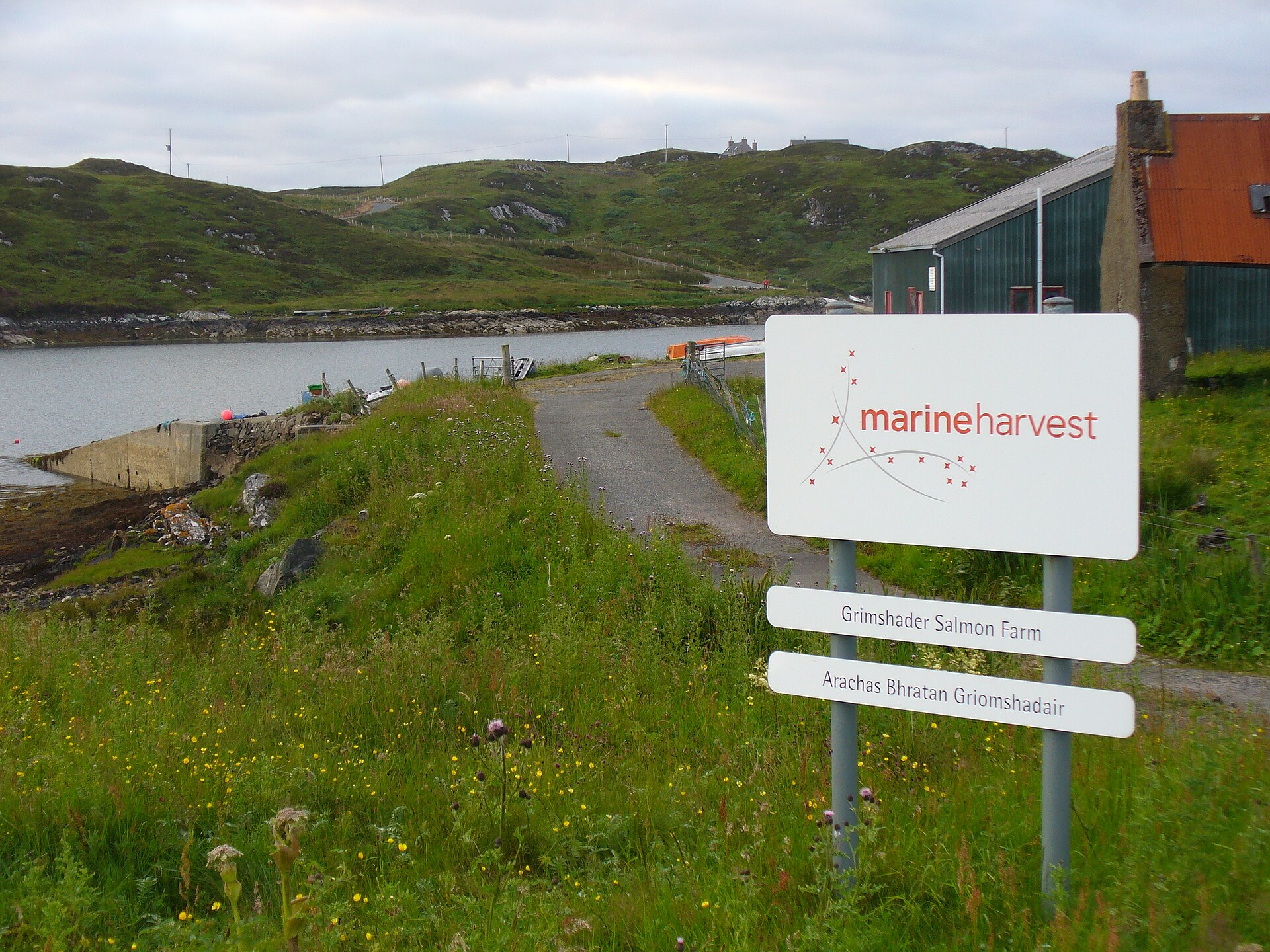
Photo: Colin Smith / Wikimedia Commons (CC BY-SA 2.0). The top picture shows the sign and shore base of Grimshader Salmon Farm, then run by Marine Harvest (now Mowi), beside Loch Grimshader in Lochs on the Isle of Lewis, Scotland's Outer Hebrides, photographed on 23 July 2011, as background.
Comments
(0)