
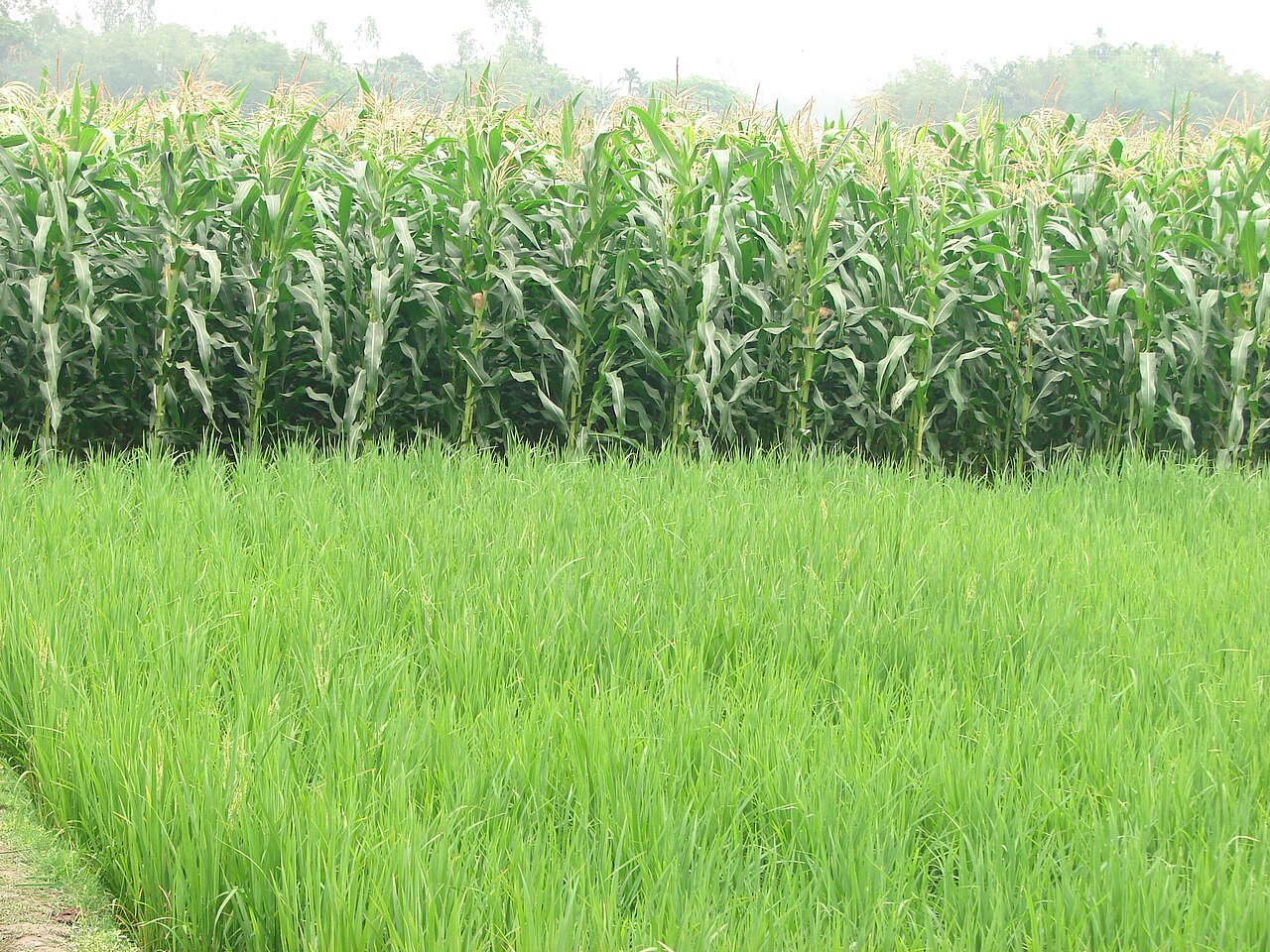
The government is planning a project worth about Tk 14,000 crore to turn farming into a fuller business, linking it with entrepreneurs, modern marketing and technology-based services, Dainik Bangla reports. The proposed Bangladesh Agri Entrepreneurship Project (BAP) has World Bank financing proposed for it, though the financing is not yet settled. Its aim is to bring farmers, agribusinesses and people in livestock and fisheries into one framework connecting production with markets.
The problem it targets is familiar: farming has concentrated on production, while links to markets, processing and marketing remain weak. The first component, "productive partnerships", is proposed at US$225 million, so that farmers and entrepreneurs can work together from production planning through to sales.
Two components are about technology. The second, at US$75 million, would build digital public infrastructure for government farm services, so that farmers and entrepreneurs can get information, advice and public support more easily. The third, at US$30 million, would strengthen food safety and traceability, so that each step of the supply chain from production to market can be followed and recorded. A fourth component of US$20 million covers management and coordination between institutions.
The four components of the first phase add up to US$350 million, with a further US$300 million proposed for the second phase and US$250 million for the third, a possible total of US$900 million, roughly Tk 14,000 crore. The Department of Agricultural Extension, the Department of Livestock Services and the Department of Fisheries would carry it out, with the extension department being considered as the lead agency.
The project is not final. Its chief focal point, Sakhawat Hossain Sharif, told the state news agency BSS that financing, spending heads and specific activities have not been settled, that its size and work plan may change in talks between the World Bank and the government, and that a technical note is being prepared. The agriculture ministry says it follows the World Bank-supported Programme on Agricultural and Rural Transformation for Nutrition (PARTNER), which began in July 2023, and aims to make farming more productive, market-oriented and climate-resilient.
Agriculture, counting crops, livestock, fisheries and forestry, contributes about 11 to 11.5 percent of GDP and employs about 45 percent of the workforce. Those involved hope that technology-based farm services, better supply chains and direct links to markets will open new income for farmers, though that will depend on sound implementation, coordination and farmers' participation in the field.
Photo: Khairuzzaman / Wikimedia Commons (CC BY-SA 3.0)
Source: Dainik Bangla

Comments
(0)