
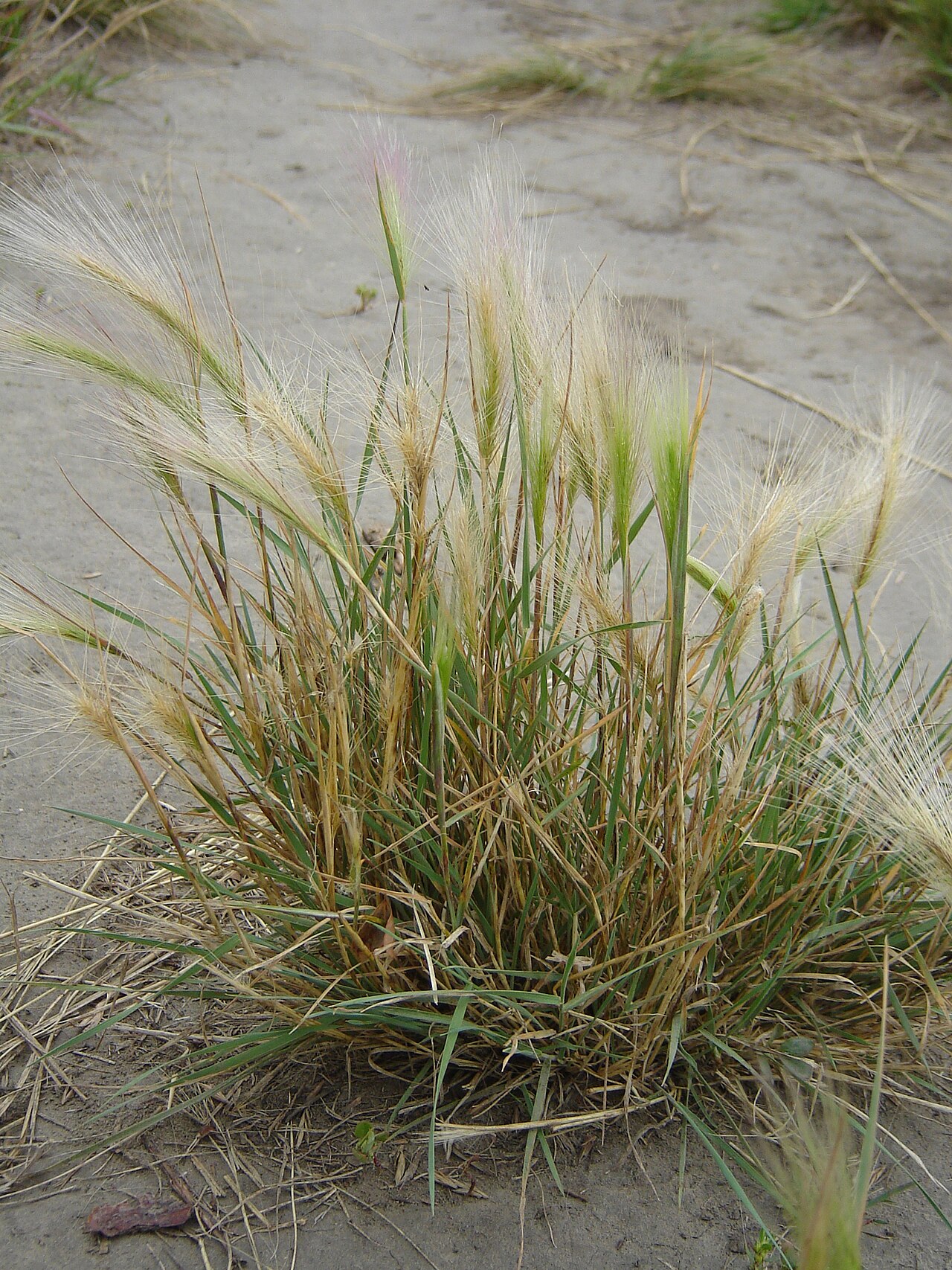
An international team led by the IPK Leibniz Institute has mapped genetic diversity across the whole barley genus, Hordeum, giving breeders a clearer view of how cultivated barley and its wild relatives evolved, Seed World Europe reported on 27 November. The study compared chromosome-level genome sequences from 27 plant accessions of 25 species, including all recognised diploid species and selected polyploids.
Earlier barley pangenomes covered cultivated barley and its closest wild relatives. Comparing genomes across the genus shows which DNA the species share and where they differ. Protein-coding sequences tended to stay similar between species, while many of the regions that control when, where and how strongly genes are switched on changed faster.
“Our findings show that the genomes of closely related plant species differ not only in their genes, but also in the DNA sequences that regulate gene activity,” said Martin Mascher, who coordinated the study at IPK. The wild genomes, he said, offer new chances to understand how important traits evolved.
Flowering is one example. Winter barley needs a long cold spell before it flowers, while some wild species do not. In Hordeum cordobense the researchers found an unusual arrangement of gene copies producing small RNA molecules that may help silence a gene which normally holds back flowering, and they found changes in another key flowering gene. Wild barley, the findings suggest, can vary its flowering response through some of the same genetic pathways that separate spring and winter barley.
The team also found large DNA rearrangements near chromosome centres, traces of past crosses between species and 611 genes that appear to have entered wild barley from millet-related grasses by horizontal gene transfer; their effects are not yet known. Comparing wild species also helped identify EOG1 as a regulator of glume development.
The expanded pangenome gives breeders a starting point for finding variants that could influence flowering time or disease resistance. Functional studies and breeding trials will be needed to show which are useful in cultivated barley.
Photo: SriMesh / Wikimedia Commons (CC BY-SA 3.0)
Source: Seed World Europe

Comments
(0)