

A wheat line edited with CRISPR to produce larger grains has been confirmed as a "precision bred organism" under English law, a step towards farmer-led field trials. The John Innes Centre in Norwich filed the precision breeding marketing notice, reference PBM/26/02/TRAE/001, which the UK government's precision breeding register published on November 20, 2026.
Precision breeding was created by the Genetic Technology (Precision Breeding) Act 2023, which took effect in England in November 2025. It covers edits that could in principle have arisen through natural breeding or mutation, unlike conventional genetic modification, which usually inserts material from another species, and such crops face a lighter regulatory path. The Advisory Committee on Releases to the Environment reviewed the edits and Defra confirmed the status, noting the centre's own analysis found no unintended changes elsewhere in the genome.
The edit targets a gene called SVP-A1 (Short Vegetative Phase-A1), involved in flowering and linked in wheat to grain development. Using CRISPR-Cas9, the scientists removed a short stretch of regulatory DNA that controls how active the gene is, recreating a natural variation found in a related wheat species and associated with larger grains. The lines are built on Fielder, a variety widely used in cereal research.
No yield benefit has yet been shown on farms. Defra's notice says only large-scale trials can establish whether the wheat improves grain size, and in turn yield. The centre grew seed at its field station in 2025, enough for testing beyond small plots, but the notice does not say whether on-farm trials have begun.
Those trials depend on the British On-Farm Innovation Network (BOFIN), which recruits farmers to host trials under a Defra-funded programme called PROBITY; it is also recruiting farmers for a precision bred barley meant to improve feed efficiency in livestock. Precision bred status is not approval for food or feed: that needs separate authorisation from the Food Standards Agency. The centre is also seeking permission for grain harvested in the trials to be handled and used rather than destroyed.
A FarmingUK-linked survey found 78 percent of farmers polled would consider growing gene-edited crops within five years, while 60 percent named buyer and market acceptance as the biggest barrier.
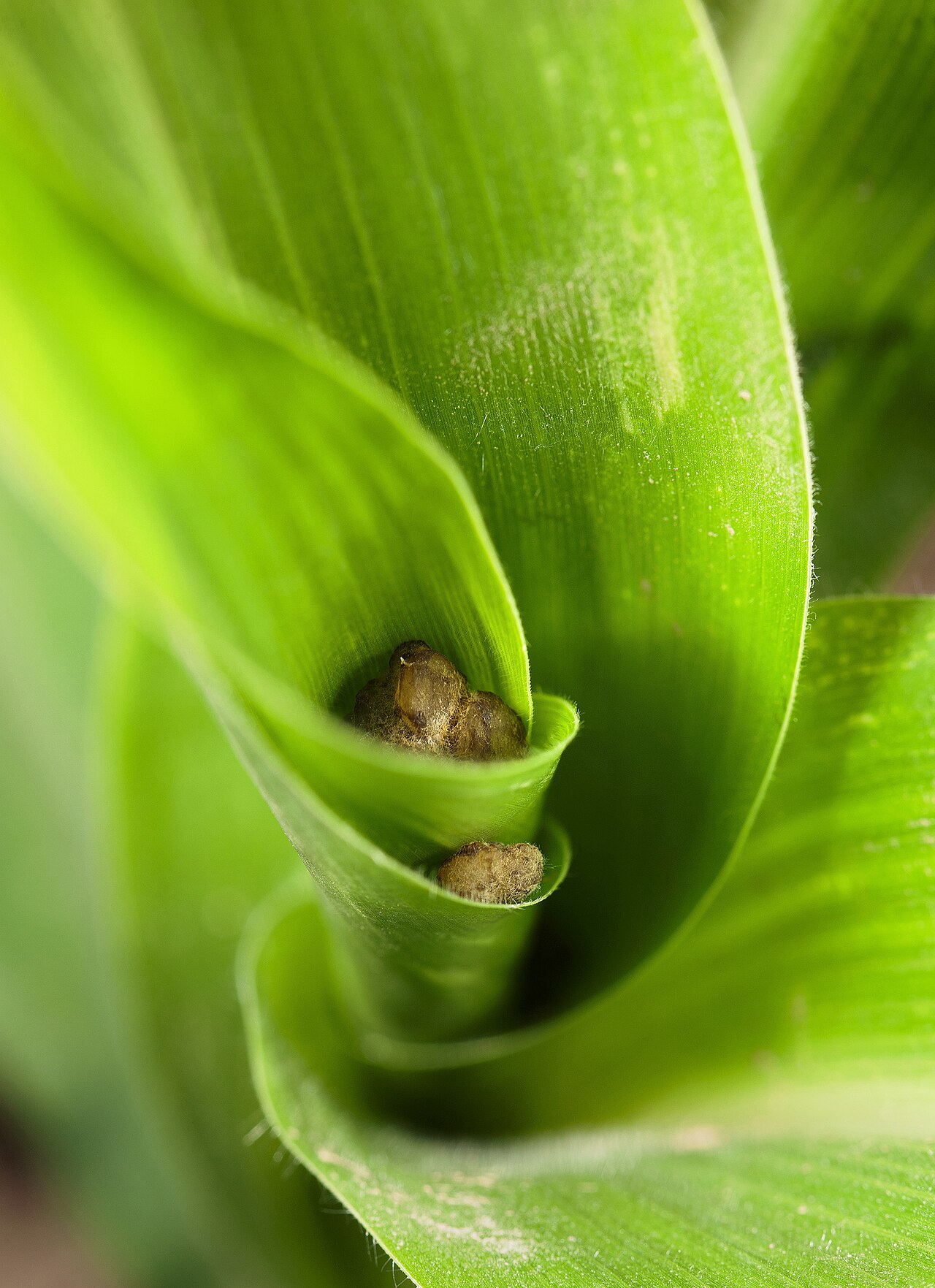
Photo: Malcolm Neal / Wikimedia Commons (CC BY-SA 2.0)
Source: Global Agriculture


Comments
(0)