
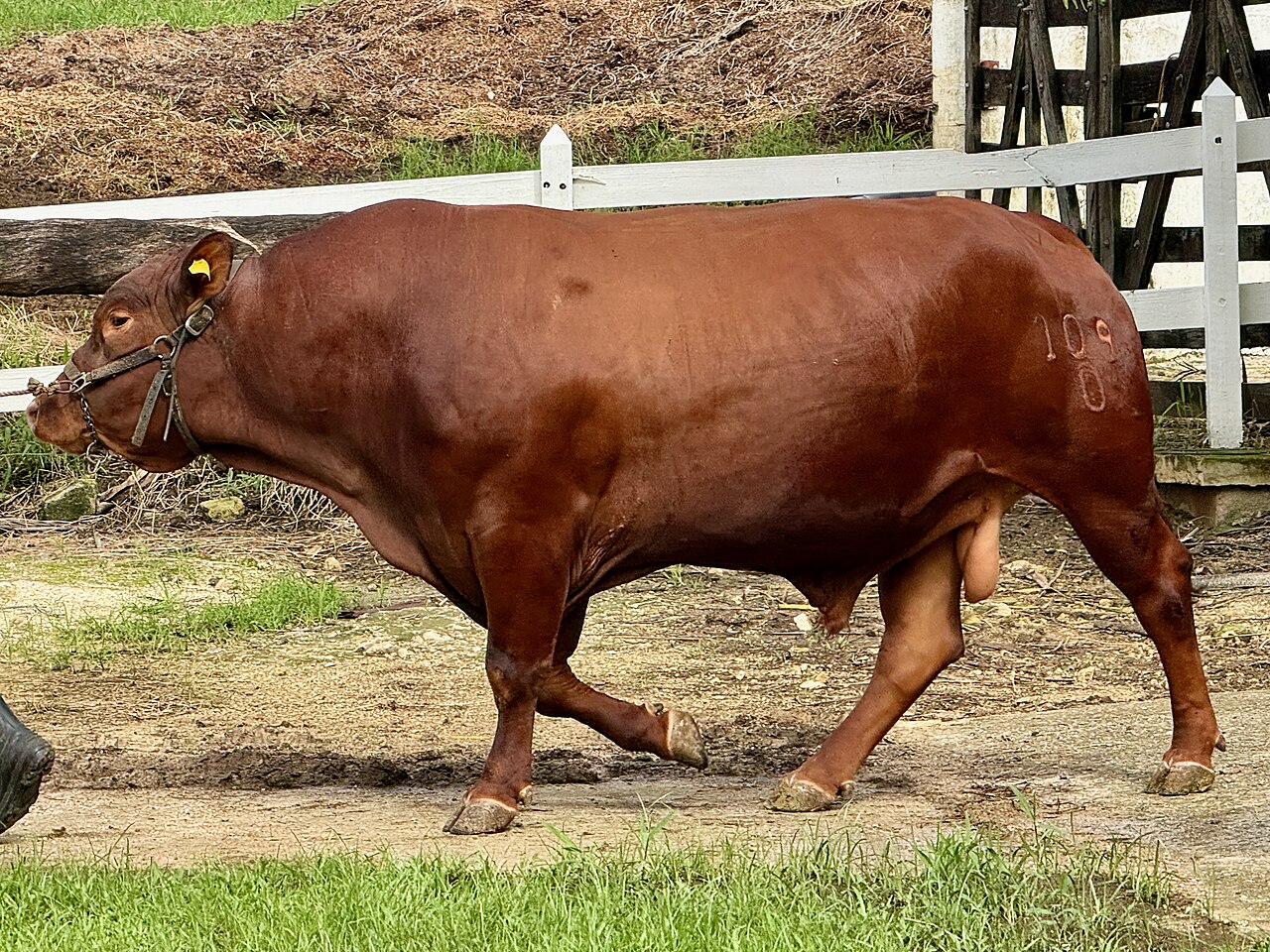
A livestock farmer from Bronkhorstspruit in Gauteng, South Africa, has built a phone app to help farmers find reliable buyers and get a fair price for their animals. Kagiso Marule told Food for Mzansi that his Live Stock platform grew out of years of struggling to sell sheep, goats and cattle.
Marule has farmed since 2011, first with sheep and goats, before the family operation expanded on a 21-hectare farm that also keeps Bonsmara and Tuli cattle. He did farm work and transported animals himself, and found selling the hardest part. Farmers depend on word of mouth, online advertisements often bring enquiries but no sales, and auctions can be hard for newcomers. "There's a boys' club that's there, regular buyers, regular sellers," he said. He also doubted the valuations, weights and grading he was given: "How do you trust the person who's at your gate? How do you trust the auctioneer who's telling you the weight?"
He began developing the idea in February 2024. Agencies and funders showed little interest, so, drawing on his background in corporate technology, he built the platform himself with AI-assisted development tools.
On Live Stock, users go through identity verification and sellers must photograph their animals at the time of listing. Buyers commit funds before arranging to inspect the animals in person; if they are unhappy after viewing, they can decline and get a refund, and the seller keeps the animals. The app also gives pricing insights based on breed, age and weight, so farmers can compare their animals with industry standards and other listings, though sellers set their own prices.
Marule's advice to farmers is to know what an animal is worth before selling: keep production records, understand input costs and follow herd performance and breeding cycles, rather than taking the first offer. He wants the app to give farmers of any size, with or without industry connections, a way to reach buyers and market information. "The value chain is not about production only. It's all the way up to sale," he said.
Photo: Oleg Yunakov / Wikimedia Commons (CC BY-SA 4.0)
Source: Food for Mzansi

Comments
(0)