
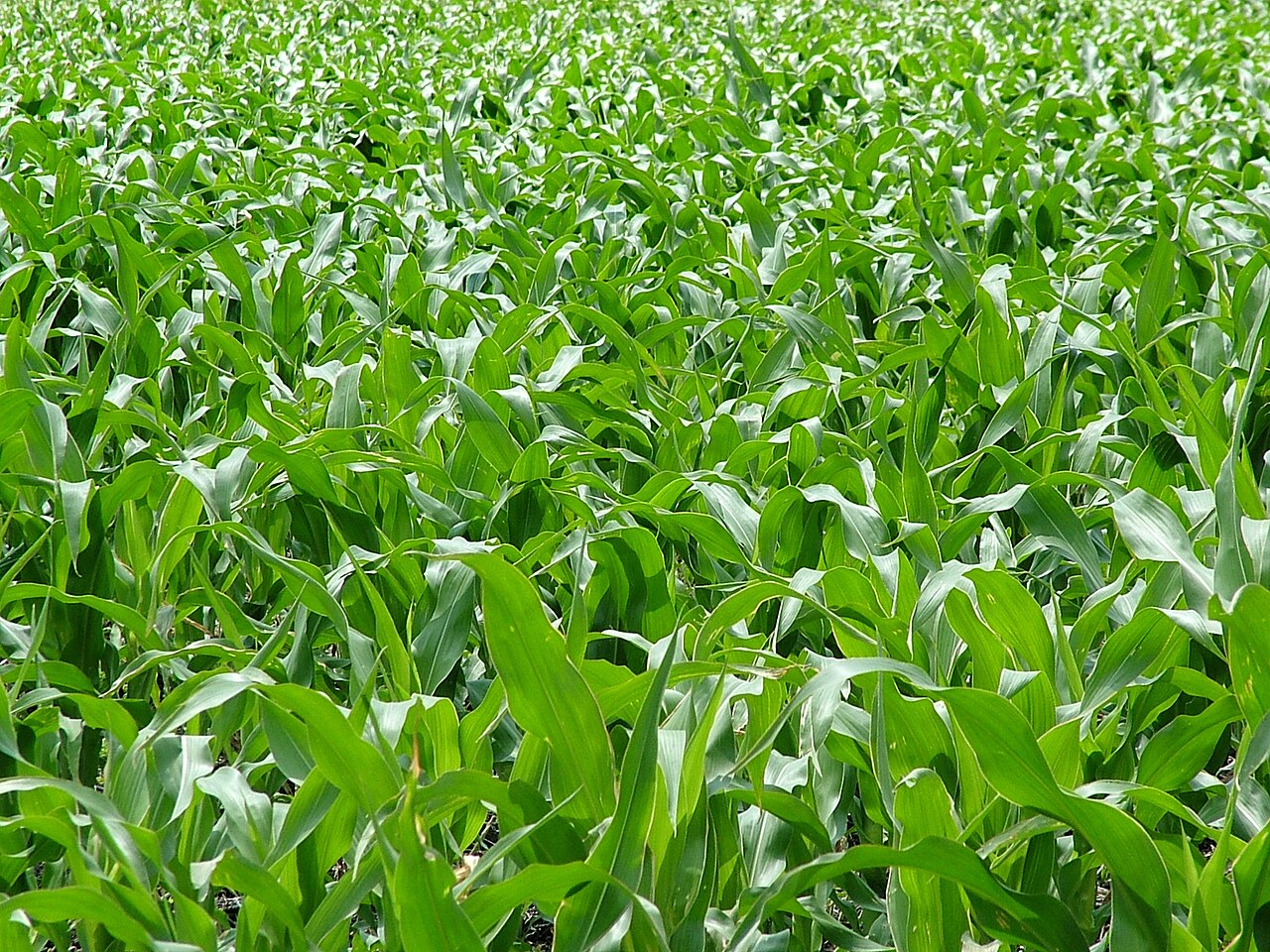
South Africa's maize growers head into the 2026-27 season with dry soils, the threat of drought and input costs that rose sharply before the last harvest, farmers and industry leaders told Food for Mzansi on World Maize Day.
Free State maize farmer Reggie Ngcobo said the industry had been hit by the war in the Middle East: input costs “skyrocketed” before harvest while maize prices stayed flat. Some farmers have not yet planted because heat has left too little moisture in the ground, he said, and a drought is now predicted for the coming season, a worry because January is an extremely hot month in the southern hemisphere.
Grain SA vice chairperson Jeremia Mathebula said small-scale farmers have the least power in the market and the least capacity to absorb deductions that cut the prices they receive. Many black grain farmers work in remote rural areas, including the former homeland areas of the Eastern Cape, KwaZulu-Natal and Mpumalanga, far from commercial centres, with few buyers, limited storage and little bargaining power. “Our farmers feel powerless,” he said, adding that Grain SA would keep standing up for small-scale, emerging and established black commercial farmers.
Ryan New, managing director of The Original Grain Company, said food security starts long before food reaches consumers, with farmers' access to resources, finance, knowledge and support. Finance to plant a crop is a starting point, he said, but farmers also need the right inputs, guidance through the season and confidence that there will be a market at harvest.
He described maize production as a collective effort, from the farmer who plants it to the people who harvest, transport and mill it and the businesses that supply the market. “If we are serious about growing Africa's food future, we need to invest in the entire agricultural value chain, from seed to supply,” New said.
Reporting: Tiisetso Manoko, Food for Mzansi.
Photo: Lotus Head / Wikimedia Commons (CC BY-SA 3.0)
Source: Food for Mzansi

Comments
(0)