
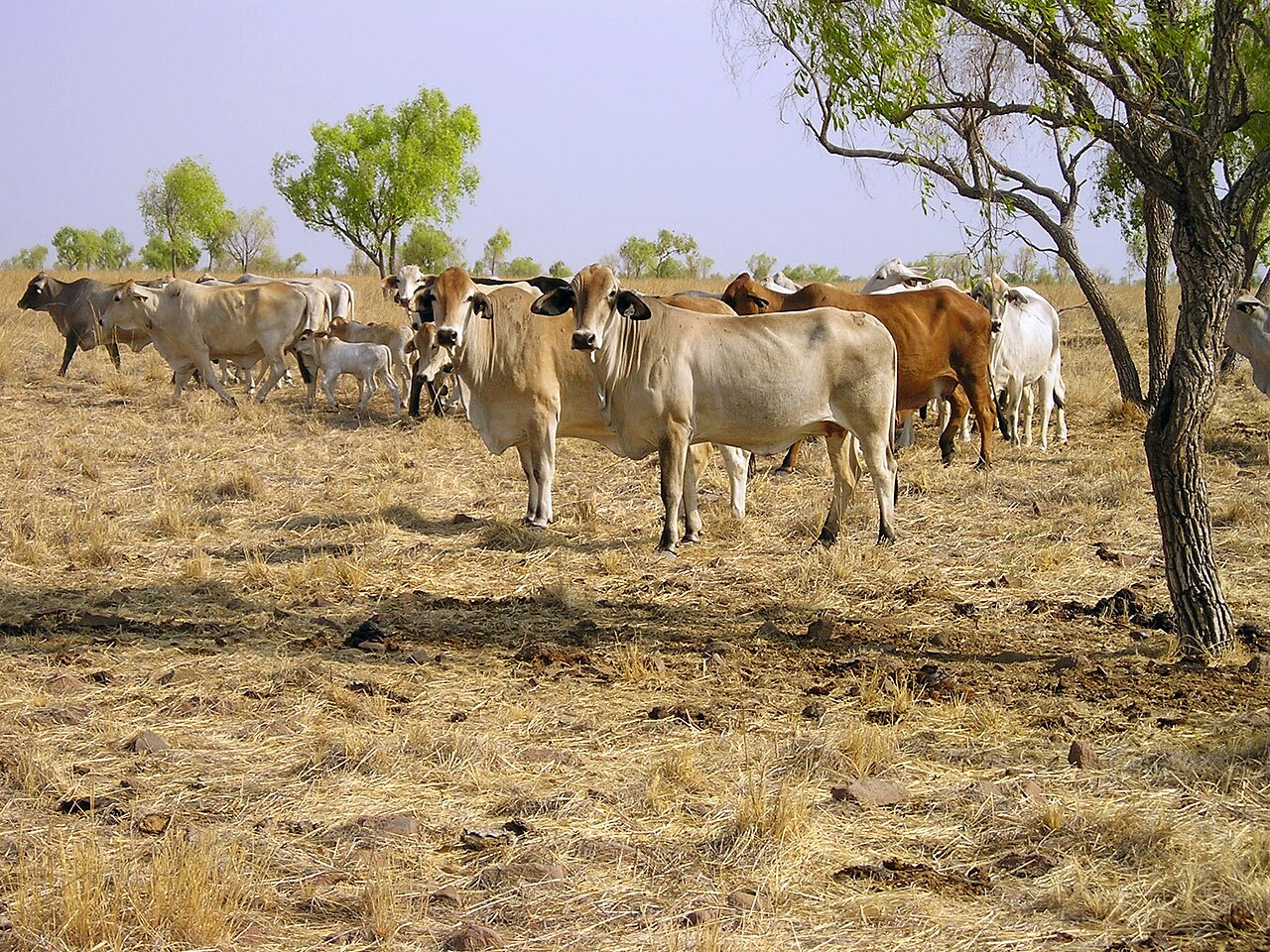
Meat & Livestock Australia (MLA) has launched MLA IQ, an artificial intelligence reference tool that searches the tens of thousands of research project documents on its website to answer users' questions, Beef Central reported. The tool was unveiled at MLA's annual general meeting in Townsville on Tuesday.
Answers are drawn from published MLA research and come with links to the relevant reports, so users, mostly beef producers but open to anyone, can read the underlying work in more detail. MLA warns that the tool may occasionally get things wrong.
Beef Central tested it with a broad question: is beef bad for the planet? The tool took seconds to scan the material and returned what the paper called a comprehensive, balanced answer that cited nine separate sources from MLA's research and suggested follow-up questions, such as how the industry is working toward its CN30 carbon-neutral target.
The answer said beef production has a measurable environmental footprint, mainly through greenhouse gases. It put enteric methane, produced as cattle digest feed, at 42.6 percent of global beef emissions, and said livestock systems worldwide emit about 6.2 gigatonnes of carbon dioxide equivalent a year, roughly 12 percent of human-made greenhouse gas emissions. It put enteric methane at an estimated 48 percent of Australian beef emissions, with 40 percent from land use change and 8 percent from soil management, and cited a footprint of 11.2 to 12.9 kg of carbon dioxide equivalent per kg of liveweight measured on farms in north-east and south-west Queensland in 2013. It also reported that the Australian beef industry's total emissions had fallen 70.1 percent from a 2005 baseline as of 2023, and that MLA research found enteric methane from feedlot cattle to be 56 percent lower than previously estimated.
The figures are the tool's summary of MLA's own research, and each answer links to the reports behind it so that users can check the original work.
Photo: CSIRO / Wikimedia Commons (CC BY 3.0)
Source: Beef Central


Comments
(0)