
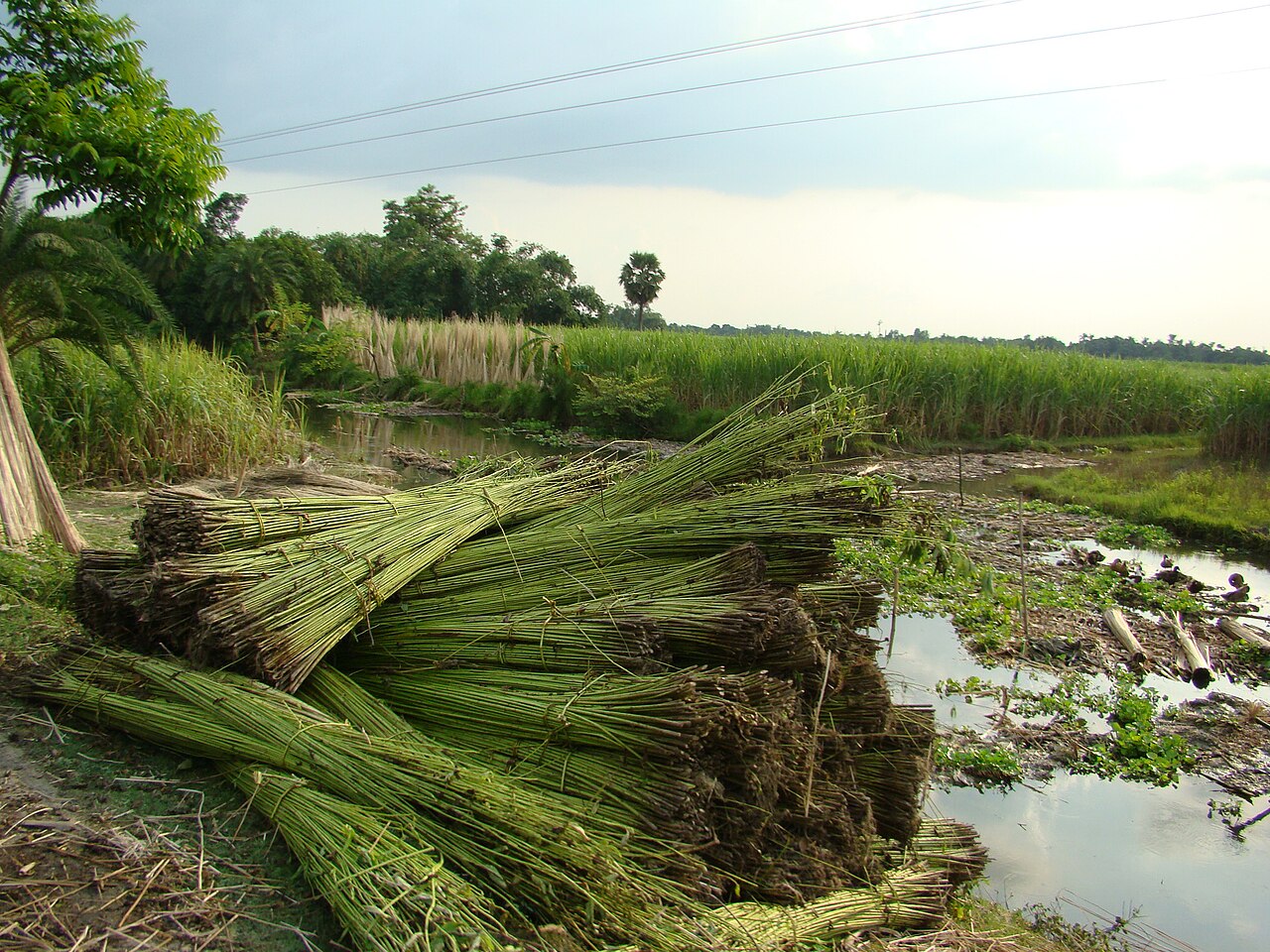
State-owned jute mills in Khulna's industrial belt of Khalishpur, Daulatpur, Atra and Dighalia are starting to reopen under private leases. The Bangladesh Jute Mills Corporation (BJMC) closed 25 mills on 1 July 2020, citing losses and maintenance costs. Some are now making jute goods again; on the premises of others, different industries are being set up.
Jute goods are being produced at the JJI and Carpeting jute mills at Rajghat in Jessore and at Eastern Jute Mill in Atra, Khulna. At Khalishpur Jute Mill, leased to Radiant Pharmaceuticals in January 2024, one of three units has started production, employing more than 700 people according to the company. Carpeting Jute Mill employs 378 workers and 25 officers and staff, and Eastern Jute Mill 605 workers and 25 officers and staff.
Some mills are turning to food. At Crescent Jute Mill in Khalishpur, leased in June 2025 by Biswas Poultry and Fish Feeds, machinery is being installed to process flour and pulses instead of jute; project manager Md Shamim said production should start within two months if all goes well, employing more than a hundred people. It currently has 50 workers and 64 officers and staff.
Hamko Group, which leased Platinum Jubilee Jute Mill in August 2026, plans batteries, mattresses, pillows, foam and e-bikes there, while renovation is under way at Star Jute Mill in Dighalia, leased to Pran Group in October. Daulatpur Jute Mill, leased to Uniworld Footwear Technology in 2023, has been under lay-off since 26 February, with only 13 staff left.
According to BJMC, on 11 August the government signed leases for three mills with two private groups: Pran-RFL took National Jute Mills in Sirajganj and Star Jute Mills in Khulna, and Hamko took Platinum Jubilee. Fully running, the three are expected to employ at least 11,629 people, bring about Tk 619 crore of investment and turn over about Tk 1,175 crore a year.
Kohinur Begum, a worker at Khalishpur Jute Mill, said life was very hard after the mill closed and that she is earning again. Worker Akmal Hossain said many former mill hands drove rickshaws or pushed handcarts to get by. Experts caution, though, that a battery, foam or flour factory on a jute mill's land creates jobs but does not by itself revive the jute industry, and that how much jute farmers, traders and the market for jute goods gain needs to be judged separately.
The report is by Ajker Patrika's Khulna correspondent, Kazi Shamim Ahmed.
Photo: Shahnoor Habib Munmun / Wikimedia Commons (CC BY 3.0)
Source: Ajker Patrika

Comments
(0)