
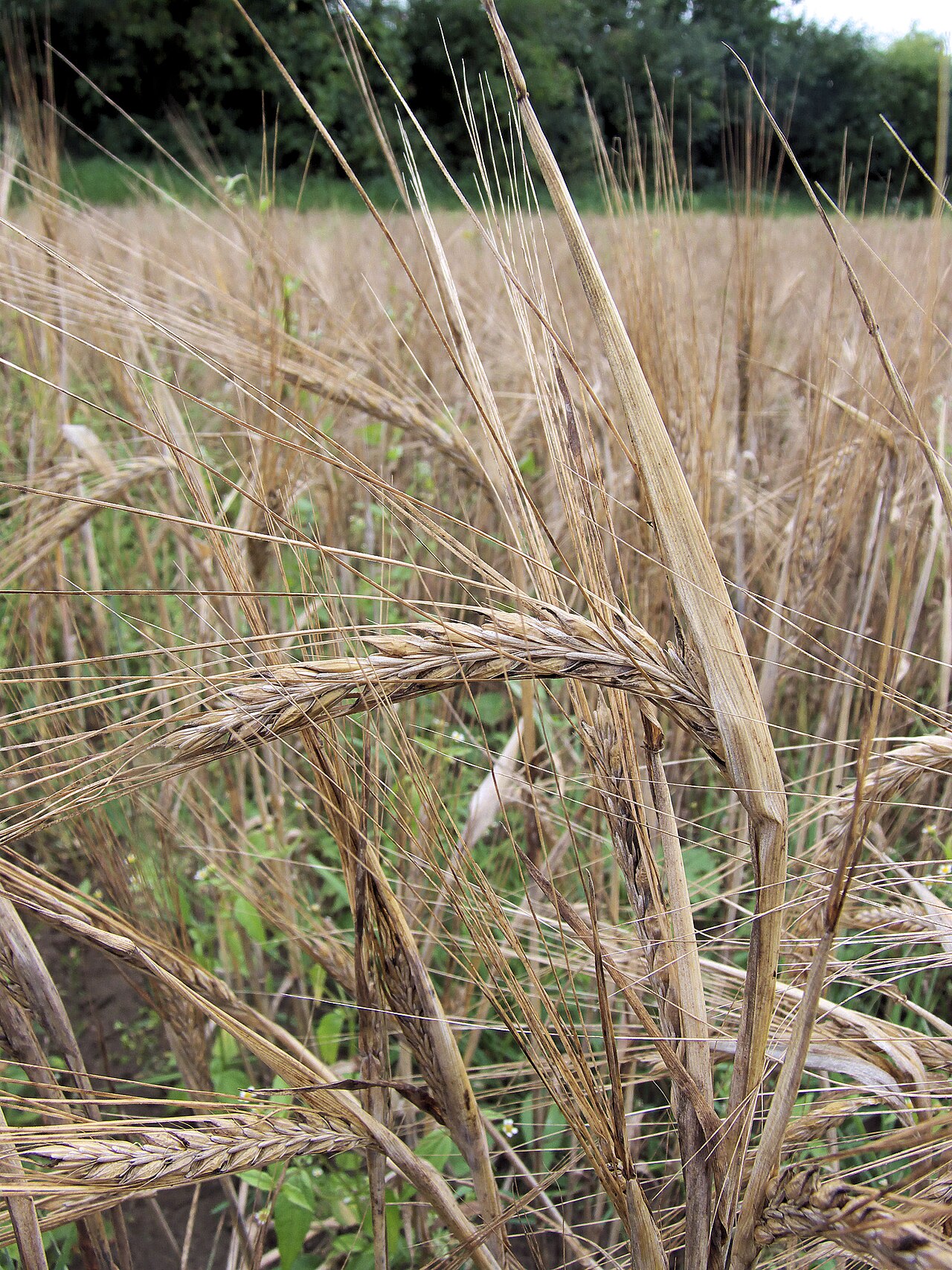
A dry end to the season in south-western New South Wales and a sodden one in the state's north and in southern Queensland are pushing lightweight barley into Australia's feed market, where growers and buyers expect a big year for blending it with better grain, Beef Central's weekly feedgrain report said.
Rain has hurt barley more than wheat. Knight Commodities broker Gerard Doherty of Goondiwindi said wheat "handled the weather better than barley because it had more weight to start with": with test weights above 80 kg a hectolitre before the rain, most should still make SFW feed grade, which needs 62 kg. Barley is another matter. BAR1 needs 62.5 kg, and early signs are that crops that took 100 mm of rain or more will miss it; some grain of 55-57 kg, in "BAR3 territory", is reaching the bins. "Most of the stuff standing in Queensland is either 2 or 3," he said.
Feedlots and other users are talking to their nutritionists about how to use the cheaper grain without hurting feed conversion in cattle, pigs and poultry. Without blending, unharvested barley in Queensland and northern New South Wales will be hard to use because it is so light. In the north, the price gaps between BAR1 and BAR2, and between BAR2 and BAR3, are both about $25 a tonne. Cheap southern barley is also moving north by road.
Harvest is resuming slowly after a wet fortnight. Falls in the week included 46 mm at Jondaryan, 48 mm at Mitchell and 62 mm at Mungindi, rain closed some public roads and many farm tracks, and growers such as Tighe Ag at Croppa Creek have been bogged. Queensland flour mills are believed to have covered their new-crop needs from Central Queensland and the Maranoa, which had a small but good-quality wheat harvest before the rain.
Sorghum has taken the biggest price fall, since the rain has assured a big summer planting, while chickpeas are the hot sell: traders short of grain for bulk and container exports are paying more than $1,000 a tonne delivered Brisbane. The report was written by Liz Wells.
Photo: Rasbak / Wikimedia Commons (CC BY-SA 3.0)
Source: Beef Central

Comments
(0)