
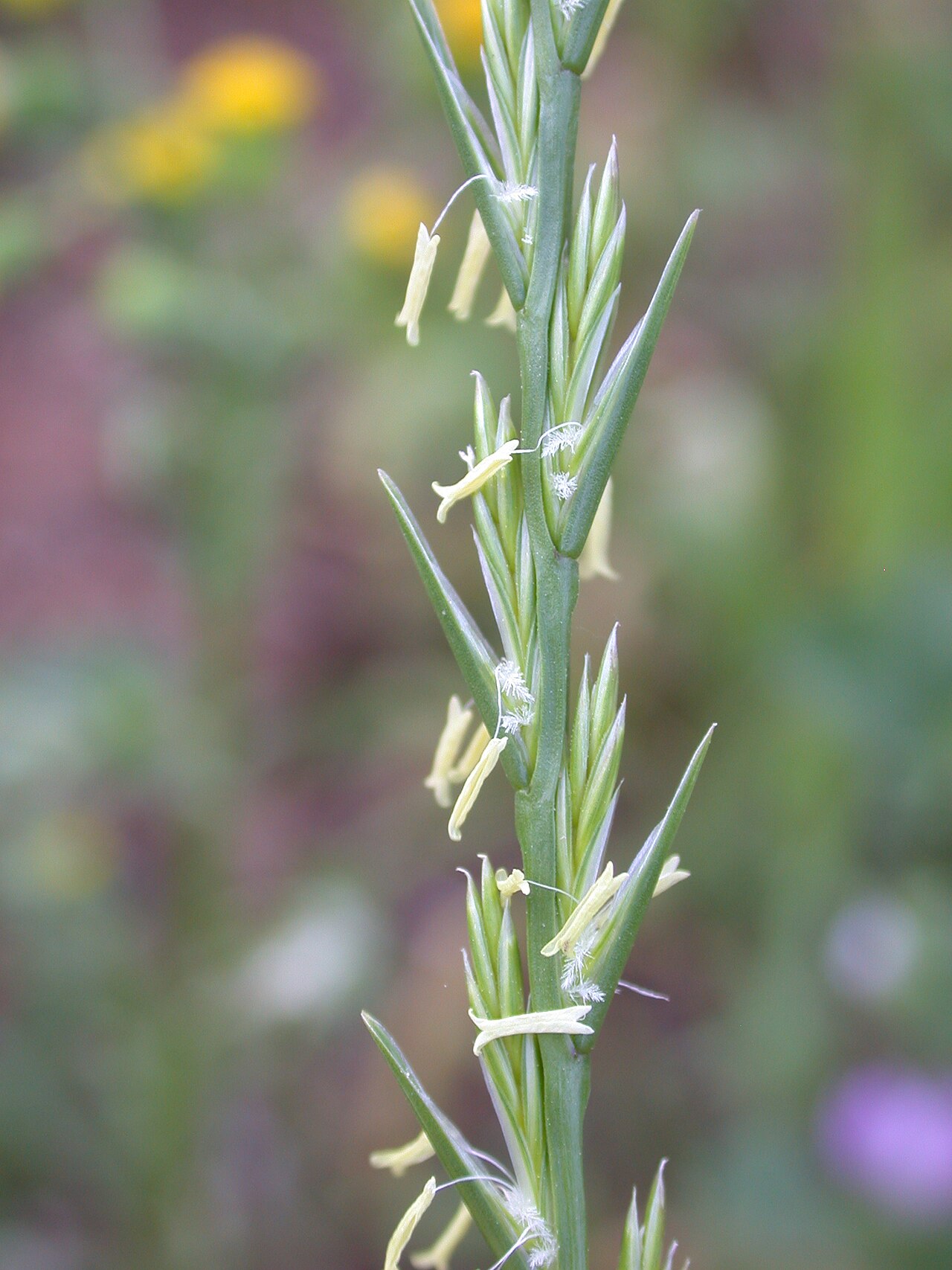
New field trials at the Queensland Department of Primary Industries (DPI) Wellcamp site will test integrated ways to control annual ryegrass and paradoxa grass, two of the northern grain region's most persistent weeds, during 2026 and 2027. The trials are led by the University of Queensland (UQ) with DPI under the Grains Research and Development Corporation's (GRDC) Weed Management Initiative.
Both weeds have become a persistent problem in southern Queensland and northern New South Wales, largely because they resist many post-emergent herbicides, said GRDC's weeds manager Sarah Morran. Annual ryegrass is estimated to be the costliest weed for Australian grain growers, and paradoxa grass is a growing concern in wheat and chickpea.
"Relying on a single herbicide mode of action is not a long-term solution," said Professor Bhagirath Chauhan of UQ's Queensland Alliance for Agriculture and Food Innovation, who leads the initiative's northern node.
Rather than testing herbicides alone, the trials combine sowing time, seed rate and herbicide choice, said DPI principal research scientist Dr Michael Widderick. For annual ryegrass they compare sowing in early May with sowing four weeks later, at 80 and 120 seeds per square metre. Early sowing makes wheat more competitive against late weeds, but only with an effective pre-emergent herbicide; where growers rely on a post-emergent product, later sowing can help because most weeds have already emerged, Chauhan said.
The work builds on UQ trials in 2024 in which pre-emergent herbicides combined with crop competition measures, such as seeding rate, row spacing and tyne rather than disc seeding, beat the standard single post-emergent approach at three of four sites, with wheat yield gains of up to 27 per cent and clear weed suppression in chickpea.
The story is based on a GRDC release carried by AgroPages.
Photo: Gideon Pisanty / Wikimedia Commons (CC BY 3.0)
Source: AgroPages

Comments
(0)