
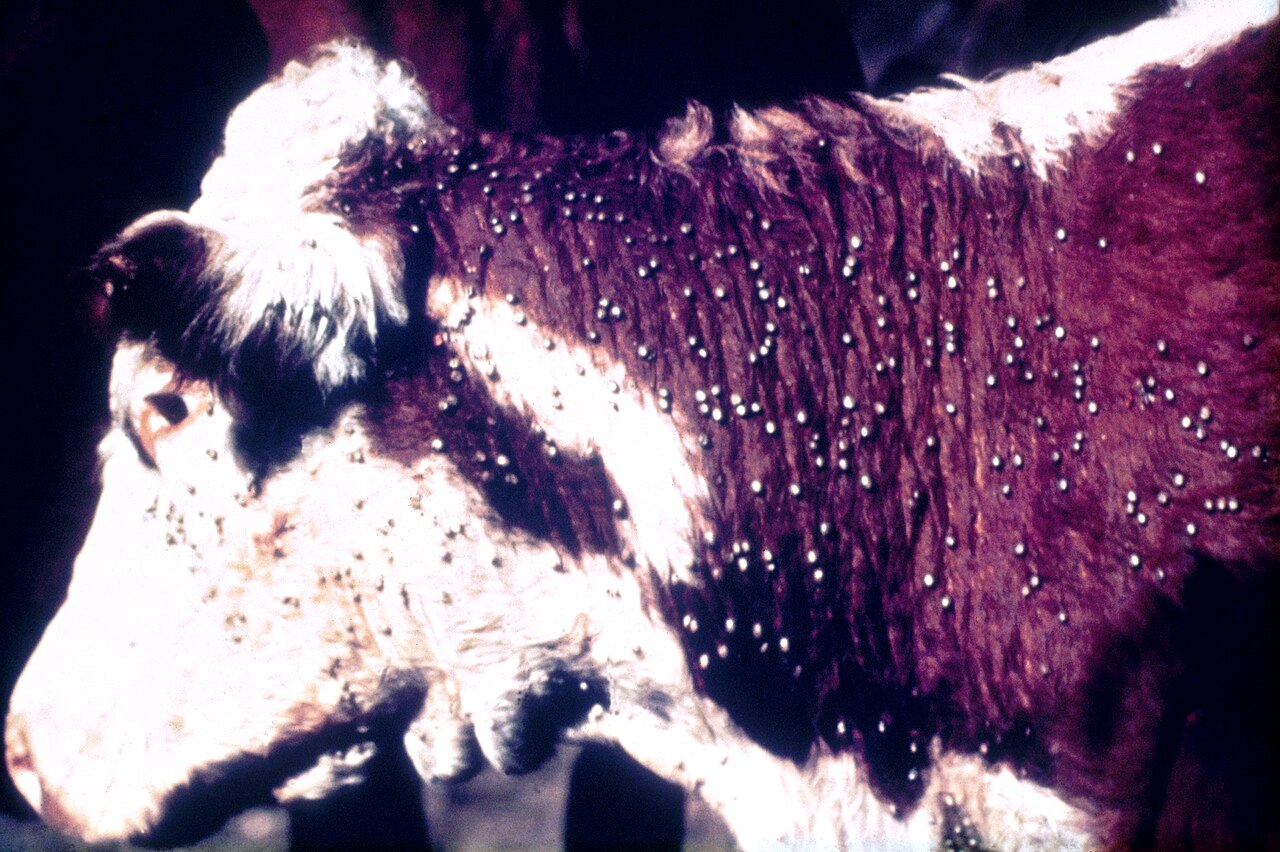
Queensland producers with known cattle tick infestations must start eradication programmes this week or face continued livestock movement restrictions until at least mid-2028, the state's Department of Primary Industries (DPI) has warned, Beef Central reports.
Owners of Restricted Places inside Queensland's cattle tick free zone are required by the Biosecurity Act 2014 to eradicate the ticks. Programmes using chemical treatment must run for at least 26 weeks, ending on 31 March.
"Planning for an eradication program should be well advanced at this time of the year, however, for those who have not yet started, they need to get started by 1 October," said Dr Allison Crook, the DPI's chief veterinary officer. The owner or person in charge must keep records as evidence of the programme.
The DPI has temporarily raised the acaricide subsidy for owners of Restricted Places in the free zone to 25 percent for all chemical types with a registered label claim for full control of cattle tick, including plunge dips, pour-ons and injectables. Owners can instead destock for at least nine months, or combine destocking with treatment.
To succeed, every animal must be treated each round and boundary fences kept stock-proof. Crook urged neighbours of tick-restricted properties to secure fences, follow movement rules when returning strays and consider treating high-risk areas.
Anyone who suspects or finds cattle ticks on a property in the free zone must notify Biosecurity Queensland, through a local biosecurity officer or on 132 523, as the Act requires.
Photo: CSIRO / Wikimedia Commons (CC BY 3.0)
Source: Beef Central

Comments
(0)